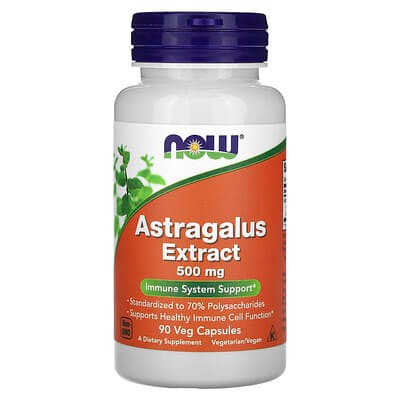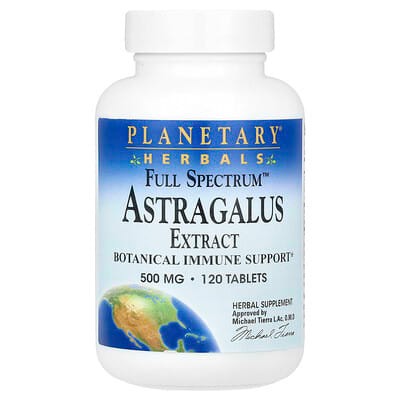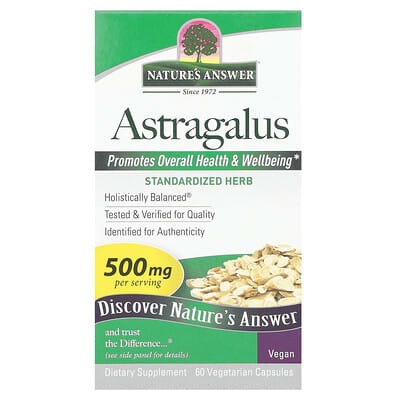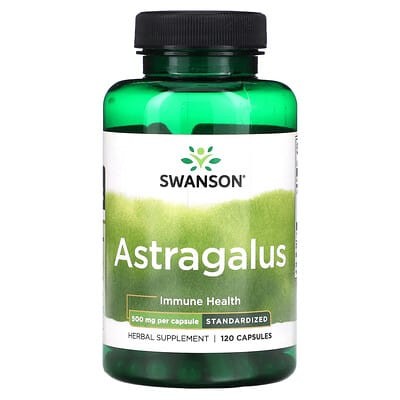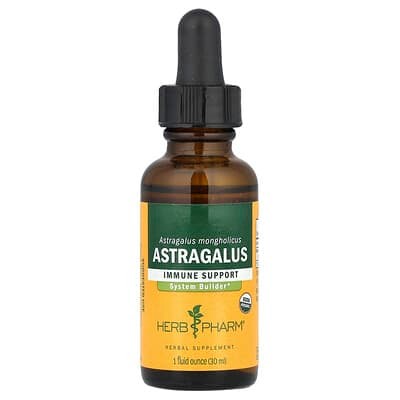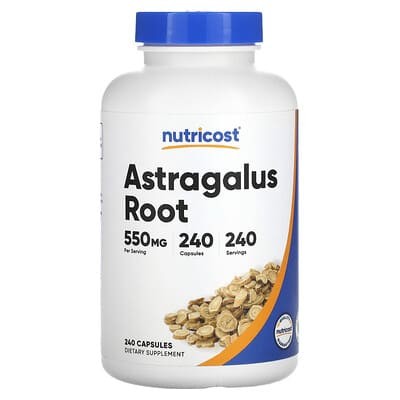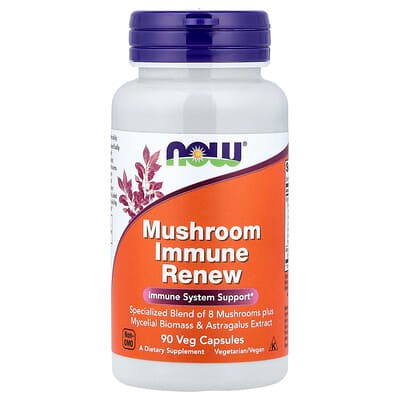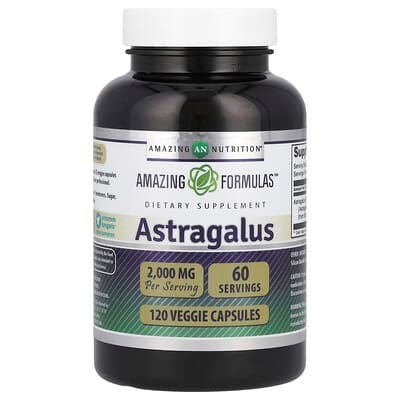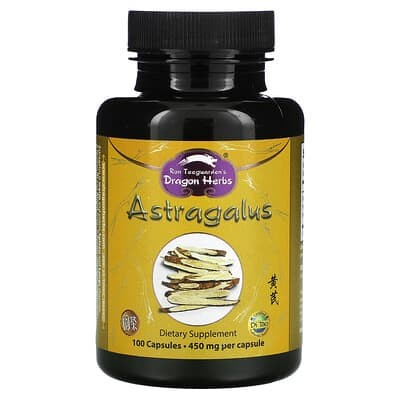
Astragalus

botanical

Astragalus (Astragalus membranaceus) is a fundamental herb in Traditional Chinese Medicine known primarily for its adaptogenic qualities. It helps the body adapt to physical, mental, or environmental stressors to maintain balance and resilience. Its effects are linked to active compounds such as polysaccharides, saponins, and flavonoids. The botanical is studied for its immunomodulatory effects, which help regulate and strengthen the immune system. It is frequently used to support natural defenses during seasonal changes or periods of increased vulnerability. Additionally, its antioxidant properties help protect cells from damage caused by free radicals. Traditional applications for Astragalus include supporting energy levels, cardiovascular health, and kidney function. It is often included in formulations designed to improve stamina, recovery, and general well-being as a versatile tool for foundational health support.

Natural sources
Roots of the Astragalus membranaceus plantNative to northern and eastern China, as well as Mongolia and Korea

Ingredient forms

No public comparison lists found.

Timing & Intake
AnytimeWith food
Taking this in divided doses throughout the day may provide more consistent support.
Optimal Dosage
Minimum500 mg
Maximum1500 mg
Safety & Toxicity
3 safety notes
  • Individuals with autoimmune diseases (e.g., lupus, multiple sclerosis, rheumatoid arthritis) should use with caution or avoid, as Astragalus may stimulate the immune system, potentially exacerbating symptoms.
  • Pregnant or breastfeeding women should consult a healthcare professional before use due to insufficient safety data.
  • Discontinue use at least two weeks before scheduled surgery due to potential effects on blood clotting or blood pressure.
Goals
Immunity
Impact
Moderate effect
Typical dose:500–2000 mg

Astragalus appears to enhance the activity of various immune cells, including T-cells and natural killer cells, improving the body's ability to fight off pathogens. It is best used for long-term prevention and building resilience rather than for treating acute infections.

Focuses on
Immune cell regulationInfection risk reductionChemotherapy supportWhite blood cell healthLong-term resilience
Most relevant for
People seeking to support immune health during medical recovery or periods of significant physical stress.

Potential benefits

  • Immune Cell Modulation.Studies indicate it can help balance T-cell ratios and stabilize natural killer (NK) cells during periods of physical exertion or chronic illness.
  • Support During Treatment.Research suggests Astragalus preparations may help maintain white blood cell counts and reduce infection rates in individuals undergoing treatments that suppress the immune system.
  • Respiratory Support in Children.Unconfirmed. Limited evidence suggests specialized preparations might reduce the frequency of respiratory infections in children with certain chronic conditions, though quality is low.

Limitations

  • General Prevention Uncertainty.Evidence is insufficient to prove that oral Astragalus alone prevents common colds or respiratory infections in otherwise healthy children or adults.
  • Preparation Differences.Many clinical benefits were observed using intravenous injections or specific multi-herb combinations, which may not translate to standard oral capsules.
  • Short-Term Side Effects.In healthy individuals, immune activation can cause temporary flu-like symptoms including fatigue, malaise, and mild headache.
Things to consider

May cause temporary headaches or fatigue during initial use. Consult a healthcare provider if you have an autoimmune condition, as Astragalus may stimulate immune activity.

Study evidence

16 studies

Astragalus can alter immune activity, and some clinical research suggests benefits in specific illness and treatment settings. The available evidence does not establish that an ordinary oral supplement strengthens immunity or prevents routine infections in otherwise healthy people.

View goal
Studies

Research connections will load here.
Sources

Up to five highest-ranked published examples per goal. Study counts and charts include all published studies for the connection.

  1. Astragalus polysaccharides combined with radiochemotherapy for cervical cancer: a systematic review and meta-analysis of randomized controlled studies.
    Sun T; Zhao R; Zhang Y; Li D; Shan X; Tang X; Zheng Y · Frontiers in pharmacology · 2025
    Meta-analysis776 participants9 studies pooledImmunity
  2. [Effect of intravenous drip infusion of cyclophosphamide with high-dose Astragalus injection in treating lupus nephritis].
    Su L; Mao JC; Gu JH · Zhong xi yi jie he xue bao = Journal of Chinese integrative medicine · 2008
    Randomized trial43 participantsImmunity
  3. Astragalus mongholicus (Fisch.) Bge Improves Peripheral Treg Cell Immunity Imbalance in the Children With Viral Myocarditis by Reducing the Levels of miR-146b and miR-155.
    Zhang Z; Dai X; Qi J; Ao Y; Yang C; Li Y · Frontiers in pediatrics · 2020
    Randomized trial68 participantsImmunity
  4. [Clinical study on effect of Astragalus in efficacy enhancing and toxicity reducing of chemotherapy in patients of malignant tumor].
    Duan P; Wang ZM · Zhongguo Zhong xi yi jie he za zhi Zhongguo Zhongxiyi jiehe zazhi = Chinese journal of integrated traditional and Western medicine · 2003
    Randomized trial120 participantsImmunity
  5. [Modulatory effect of Astragalus membranaceus on Th1/Th2 cytokine in patients with herpes simplex keratitis].
    Mao SP; Cheng KL; Zhou YF · Zhongguo Zhong xi yi jie he za zhi Zhongguo Zhongxiyi jiehe zazhi = Chinese journal of integrated traditional and Western medicine · 2004
    Randomized trial168 participantsImmunity