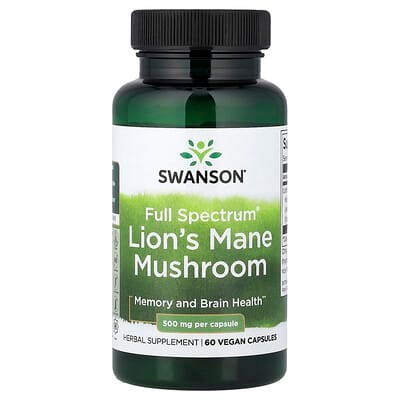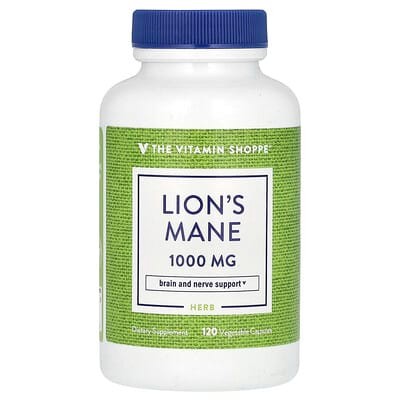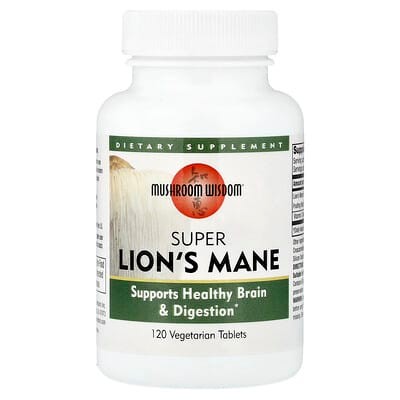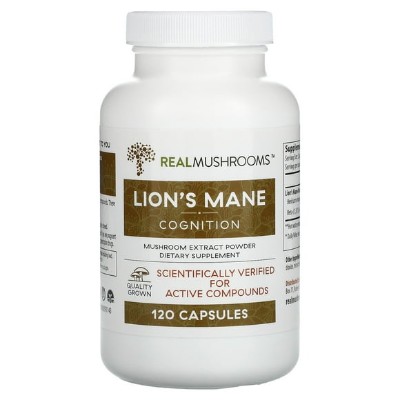
Impact
High effect
Typical dose:500–3000 mg
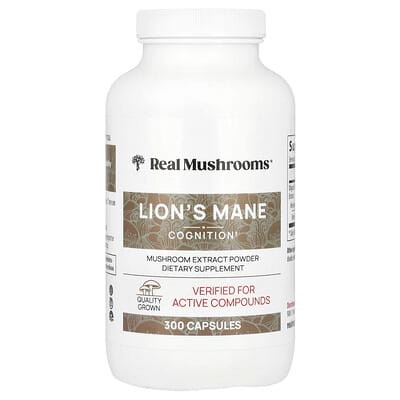
Commonly known as Lion's Mane, this mushroom has strong clinical evidence supporting its role in enhancing memory and cognitive function, particularly in individuals with mild cognitive impairment. By boosting NGF, it supports neurogenesis and long-term brain health.
- Focuses on
- Most relevant for
- Older adults experiencing early signs of cognitive decline or individuals seeking to support mental processing speed.
Potential benefits
- Mild Impairment Support.Clinical trials indicate that consistent supplementation may improve cognitive assessment scores and daily living performance in individuals with mild cognitive impairment or early-stage Alzheimer's.
- Mental Processing Speed.Some research in healthy young adults suggests that a single dose may improve performance speed on specific executive function tasks, such as the Stroop test.
- Mental Status Maintenance.Multiple controlled studies demonstrate significant improvements in Mini-Mental State Examination (MMSE) scores after 12 to 16 weeks of regular intake.
Limitations
- Sustainability of Benefits.Cognitive improvements may not be permanent; research observed that scores decreased significantly within four weeks of stopping supplementation.
- Inconsistent Results in Healthy Adults.While promising for those with impairment, some studies in healthy college-age cohorts have found no impact on memory or general cognitive performance.
- Preparation Variability.Studies use different mushroom parts, such as fruiting bodies or erinacine-enriched mycelia, and findings from one preparation may not apply to all products.
Things to consider
Potential side effects include stomach discomfort, nausea, headaches, and skin rashes.
Study evidence
6 studiesHericium mushroom shows preliminary promise for some measures of cognition, particularly in people with cognitive impairment. Human findings are limited and mixed, and benefits from particular mushroom preparations do not establish reliable cognitive enhancement or prevention of dementia.
View goal