Impact
High effect
Typical dose:300–3000 mg
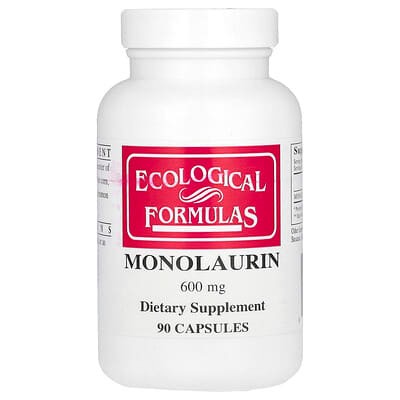
Derived from lauric acid, monolaurin integrates into and destabilizes the lipid envelopes of certain viruses and the cell membranes of some bacteria. This mechanism disrupts pathogen integrity, helping to reduce pathogen load during an active infection.
- Focuses on
- Most relevant for
- Individuals interested in fatty acid derivatives studied for localized antimicrobial effects, though systemic immune benefits remain unproven.
Potential benefits
- Reduction of Bacterial Toxins.Unconfirmed. In specific localized settings, monolaurin has been shown to reduce the production of bacterial exotoxins, though this effect has not been confirmed for oral immunity.
- Local Inflammatory Response.Unconfirmed. Research indicates it may lower specific proinflammatory markers like IL-8 at the site of application, but a whole-body immune benefit is not established.
Limitations
- Lack of Oral Evidence.Human research is limited to localized application; there is no clinical evidence that taking monolaurin orally improves systemic immune function.
- No Demonstrated Infection Prevention.Studies have not shown that monolaurin prevents illnesses or infections in a general population.
- Non-Transferable Results.Findings from specialized topical products, such as tampons, cannot be used to validate the efficacy of oral dietary supplements.
Study evidence
1 studyThe supplied evidence does not establish that oral monolaurin strengthens immunity or prevents infections. Research concerns monolaurin applied within tampons, where it reduced bacterial toxin production and a local inflammatory marker; this does not demonstrate a benefit from taking a supplement.
View goal