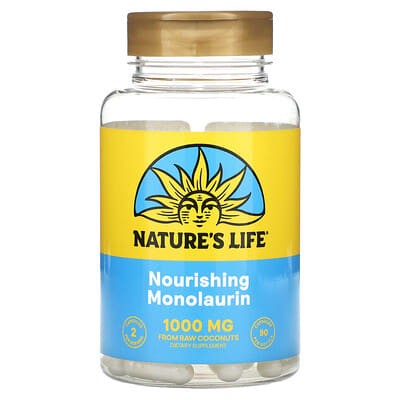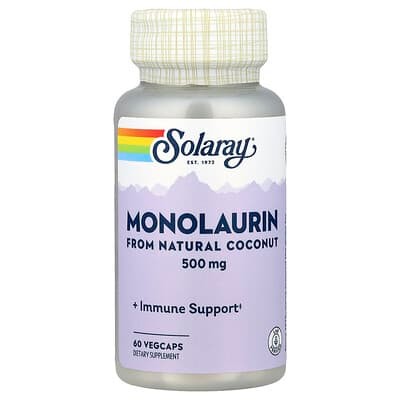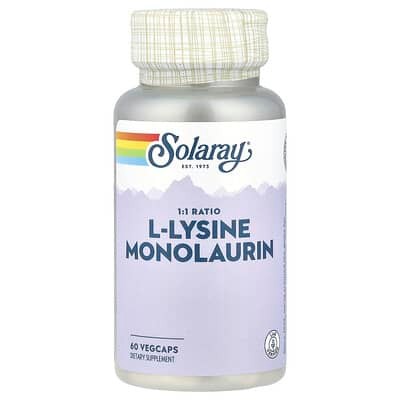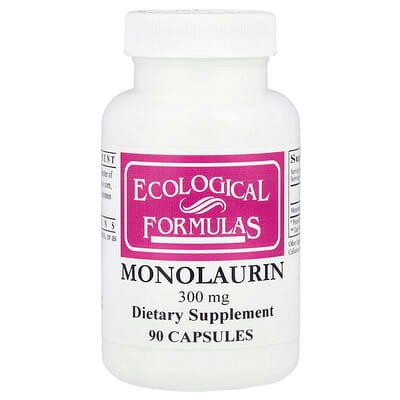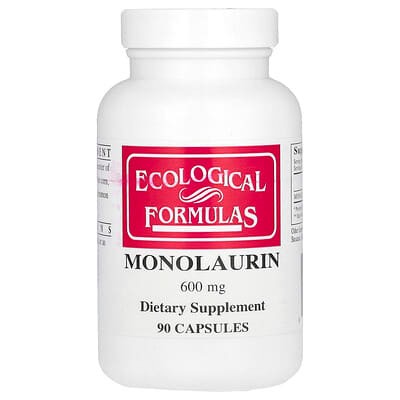
Monolaurin

non-nutrient_non-botanical

Monolaurin is a natural compound derived from lauric acid, a medium-chain fatty acid found in coconut oil and human breast milk. It is a monoglyceride, consisting of a glycerol molecule attached to a single fatty acid chain. This unique structure allows monolaurin to interact with and disrupt the lipid membranes of various microorganisms. The primary action of this compound is its ability to inactivate a range of pathogens, including bacteria, viruses, and fungi, by disintegrating their protective envelopes. It is often used for immune support because it helps the body defend against undesirable microbes without necessarily harming beneficial gut bacteria in the way some conventional agents might. Beyond its antimicrobial effects, monolaurin is investigated for its potential to support overall wellness by contributing to a balanced internal environment. It is frequently found in supplements intended to promote digestive health and strengthen the body’s natural defense systems.

Natural sources
Coconut oilHuman breast milk

No public comparison lists found.

Optimal Dosage
Minimum500 mg
Maximum1500 mg
Safety & Toxicity
Toxicity Threshold3000 mg
Toxicity EffectDiarrhea, stomach cramps
4 safety notes
  • Pregnant or breastfeeding women should consult a healthcare professional before use.
  • Individuals with compromised immune systems or serious medical conditions should seek medical advice prior to supplementation.
  • Start with a low dose and gradually increase to assess tolerance and minimize potential 'die-off' symptoms.
  • Not intended to diagnose, treat, cure, or prevent any disease.
Goals
Immunity
Impact
High effect
Typical dose:300–3000 mg
Derived from lauric acid, monolaurin integrates into and destabilizes the lipid envelopes of certain viruses and the cell membranes of some bacteria. This mechanism disrupts pathogen integrity, helping to reduce pathogen load during an active infection.

Study evidence

1 study

The supplied evidence does not establish that oral monolaurin strengthens immunity or prevents infections. Research concerns monolaurin applied within tampons, where it reduced bacterial toxin production and a local inflammatory marker; this does not demonstrate a benefit from taking a supplement.

View goal
Digestive Health
Impact
Situational effect
Typical dose:300–3000 mg
Monolaurin can be effective for addressing specific microbial imbalances, such as fungal overgrowth. However, its use should be targeted and is not foundational for general digestive health, as broad antimicrobial action is not always desirable.

Study evidence

No published studies for this goal yet.

View goal

Studies

Research connections will load here.
Sources

Up to five highest-ranked published examples per goal. Study counts and charts include all published studies for the connection.

  1. Reduction in Staphylococcus aureus growth and exotoxin production and in vaginal interleukin 8 levels due to glycerol monolaurate in tampons
    Kristi L Strandberg, Marnie L Peterson, Matthew M Schaefers, Laura C Case, Melinda C Pack, David J Chase, Patrick M Schlievert · Clinical infectious diseases : an official publication of the Infectious Diseases Society of America · 2009
    Randomized trial225 participantsImmunity