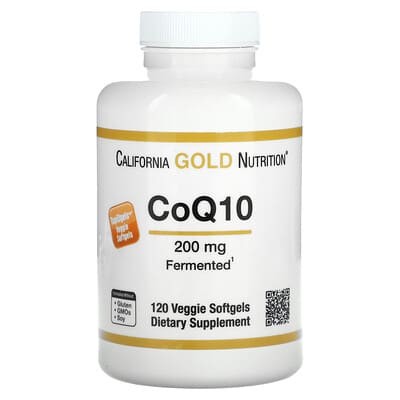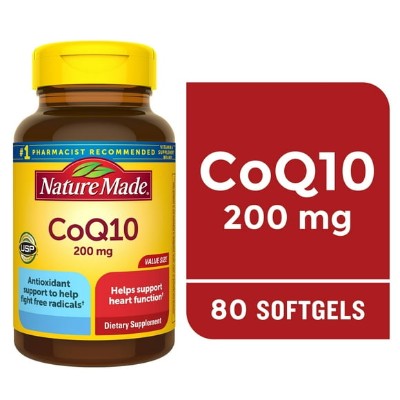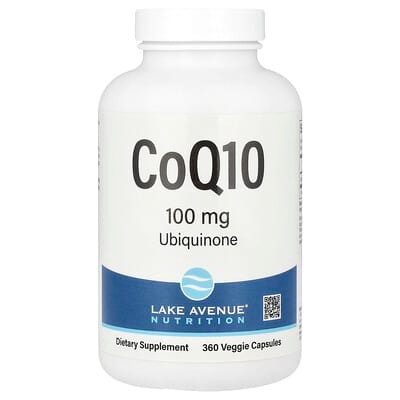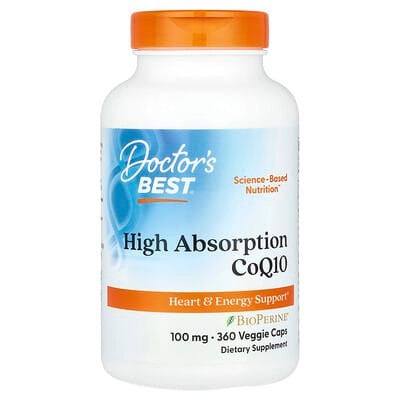
Coenzyme Q-10

Description

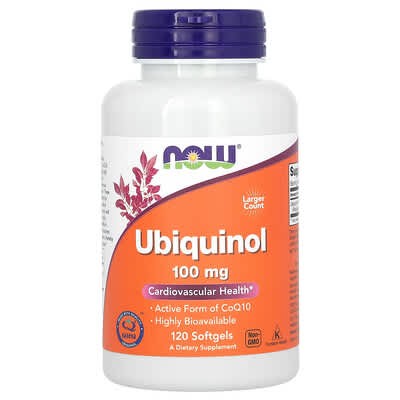
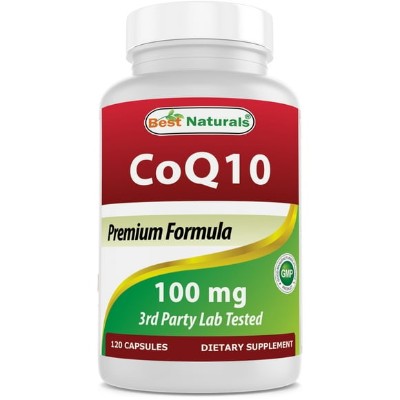
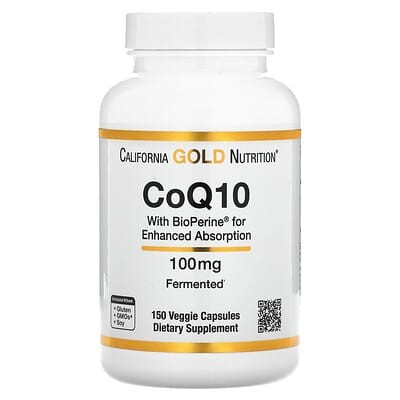
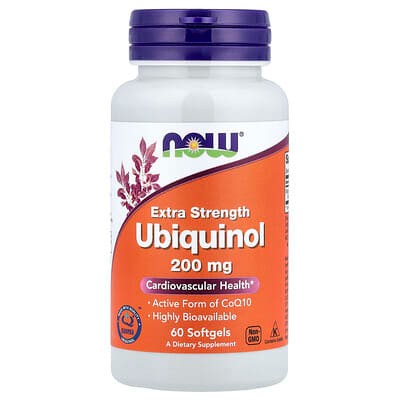
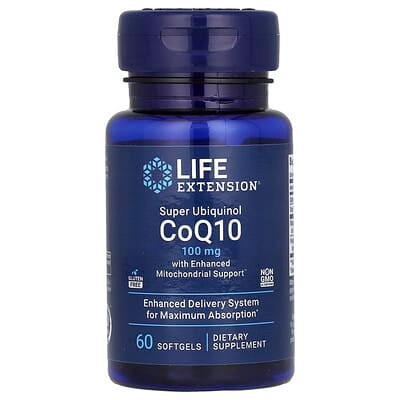
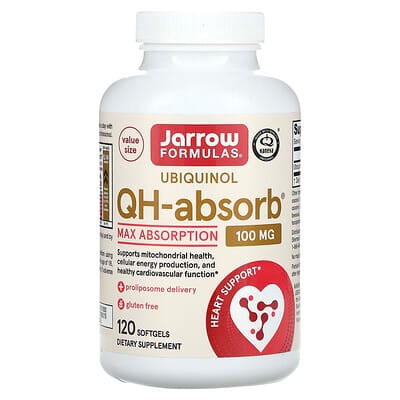
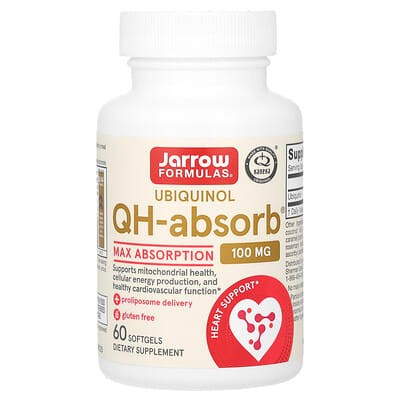
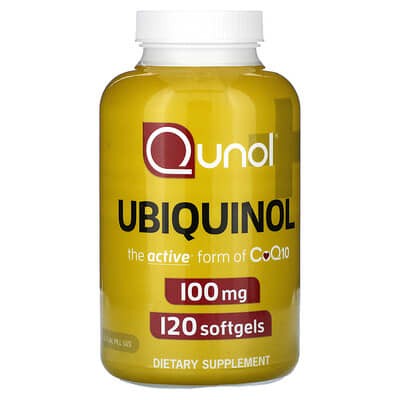
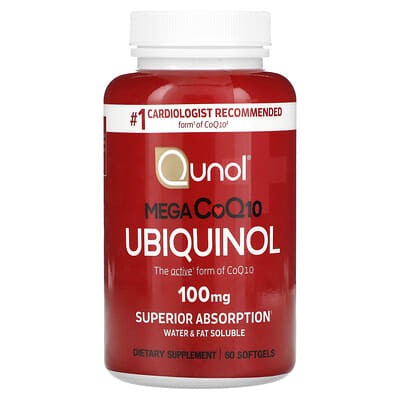
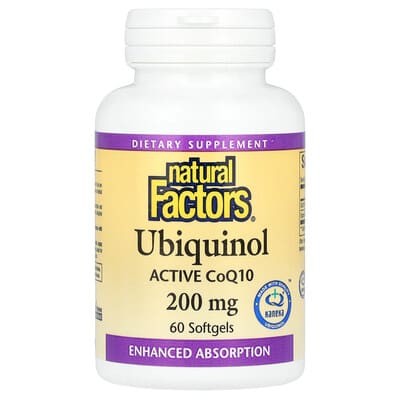
Coenzyme Q-10, also known as ubiquinone, is a fat-soluble, vitamin-like compound produced naturally in the body. It plays a crucial role in the electron transport chain within mitochondria, where it's essential for generating adenosine triphosphate (ATP), the primary energy currency of cells. CoQ10 is found in nearly all cells, with the highest concentrations in organs with high energy demands like the heart, liver, and kidneys. Beyond its role in energy metabolism, CoQ10 is a potent antioxidant. It helps protect cells from oxidative damage caused by free radicals, which can contribute to aging and various health issues. It exists in two main forms: ubiquinone (oxidized form) and ubiquinol (reduced, active antioxidant form). The body can convert ubiquinone to ubiquinol as needed. Levels of CoQ10 naturally decline with age and can be depleted by certain health conditions or medications. Supplementation is often used to restore levels, particularly in individuals with deficiencies or those seeking its antioxidant and energy-boosting benefits for cardiovascular health, neurological support, and overall cellular function.

Sources
Organ meats (liver, heart, kidney)Fatty fish (salmon, tuna, mackerel)Whole grainsNutsSeedsVegetable oils (soybean, canola)BroccoliSpinach
Safety & Toxicity
Goals
Anti-Aging
Anti-Aging
Impact
Highest effect
Typical dose:100–400 mg
CoQ10 is essential for the function of high-energy organs like the heart, liver, and brain. Supplementing can help combat age-related declines in cellular energy, reduce oxidative stress, and support cardiovascular health. The ubiquinol form offers superior bioavailability.
View goal ->
Cardiovascular Support
Impact
Highest effect
Typical dose:100–300 mg
Coenzyme Q10 (CoQ10) is a critical component of the mitochondrial electron transport chain, which generates cellular energy (ATP). The heart has a very high concentration of mitochondria and is highly dependent on CoQ10. Supplementation supports cardiac energy, improves heart function, and can help offset CoQ10 depletion caused by statin medications.
View goal ->
Heart Health
Heart Health
Impact
Highest effect
Typical dose:100–400 mg
CoQ10 is a critical component of the mitochondrial electron transport chain, directly involved in producing ATP, the body's energy currency. Statin drugs can deplete CoQ10 levels, making supplementation important for mitigating side effects and supporting cardiac energy.
View goal ->
Anti-Inflammatory Support
Impact
High effect
Typical dose:100–400 mg
CoQ10 is vital for cellular energy production and protects mitochondria from oxidative damage. By improving cellular bioenergetics and reducing oxidative stress, it effectively lowers systemic inflammatory markers like CRP, TNF-alpha, and IL-6.
View goal ->
Energy
Energy
Impact
High effect
Typical dose:100–400 mg
CoQ10 is an antioxidant that every cell in the body needs to produce energy. Levels naturally decline with age and with the use of certain medications (like statins). Supplementing can help combat fatigue and improve physical performance, especially in older or deficient individuals.
View goal ->
Interactions
Price per product
Average$32.50
Median$29.49
Price per serving
Average$0.64
Median$0.53
Price distribution
Price per serving distribution
Price per
Paired ingredients