Impact
Highest effect
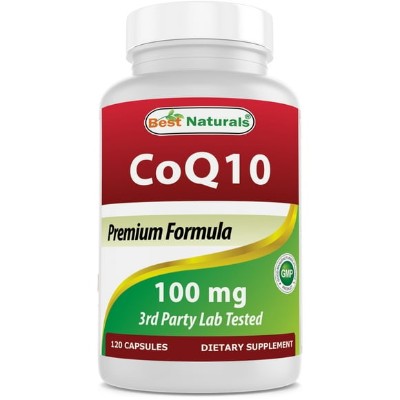
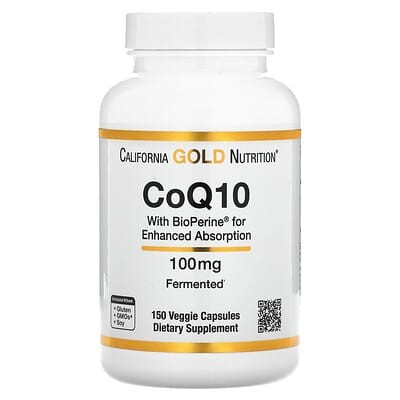
Typical dose:100–400 mg
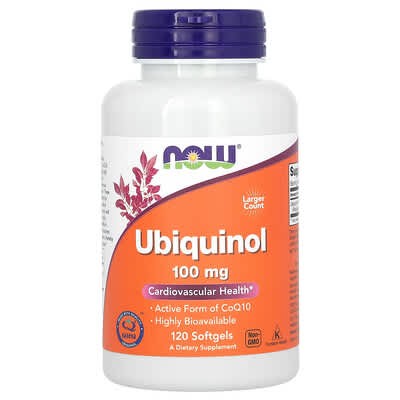
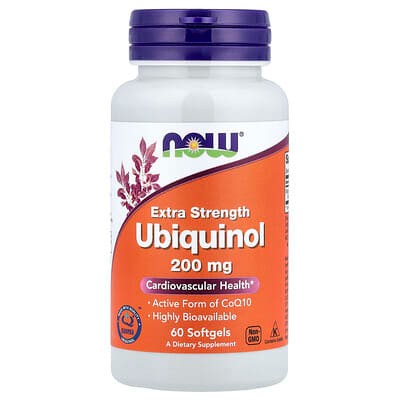
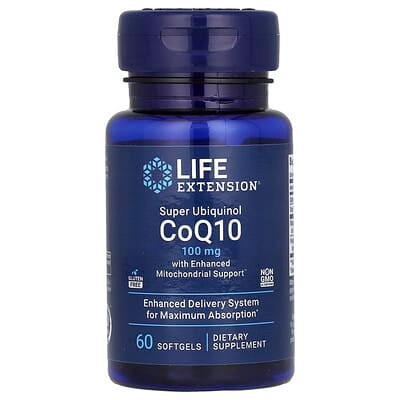
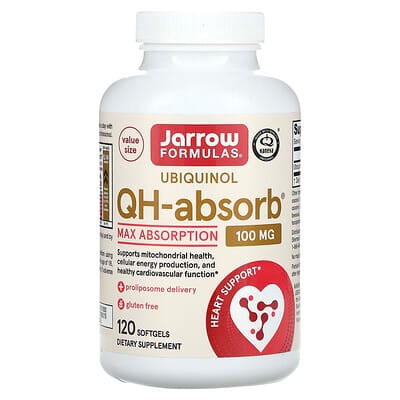
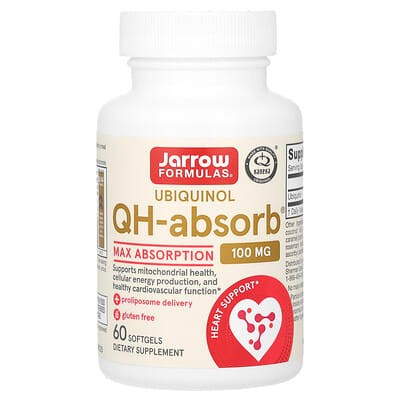
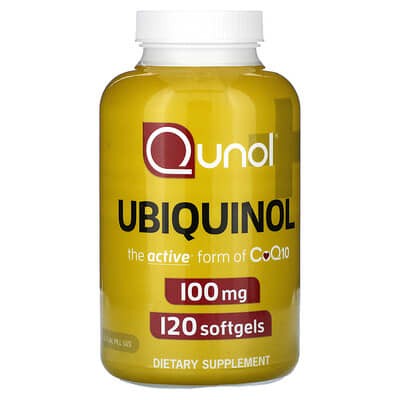
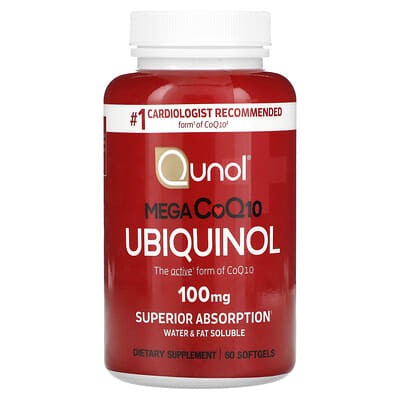
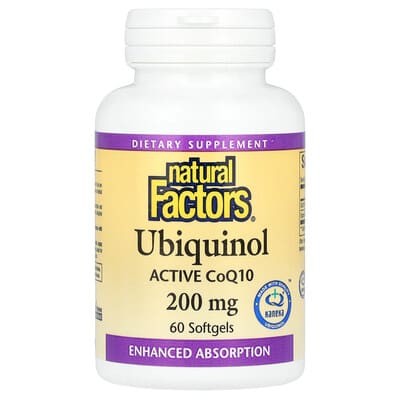
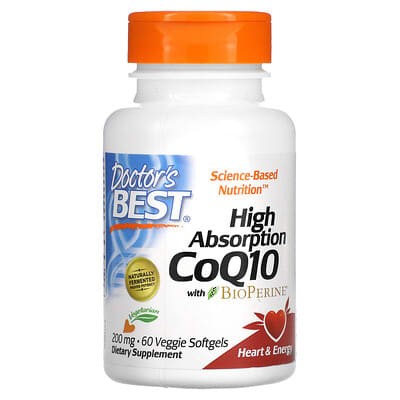
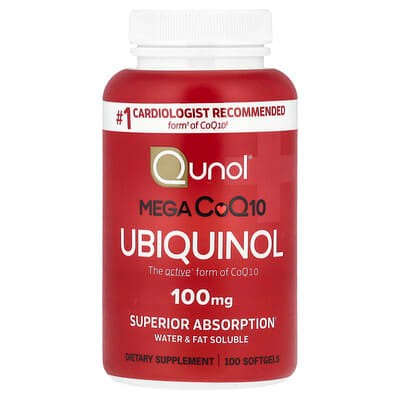
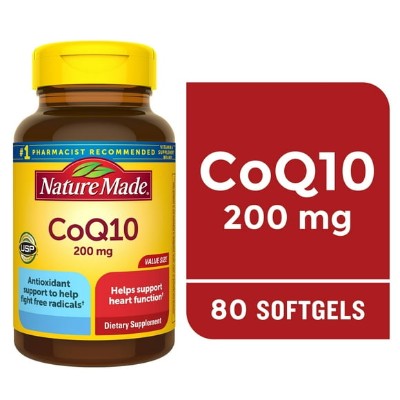
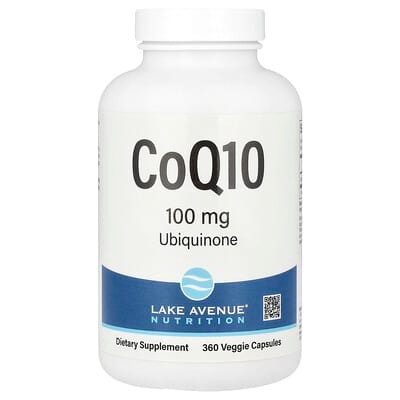
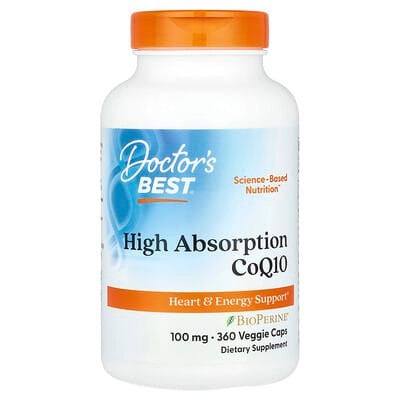
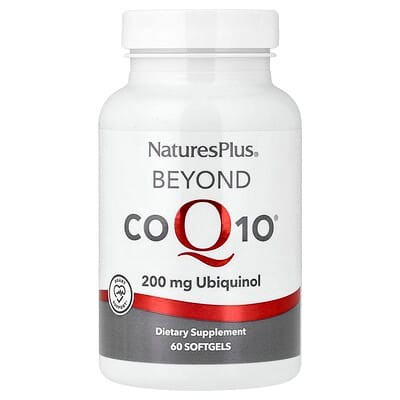
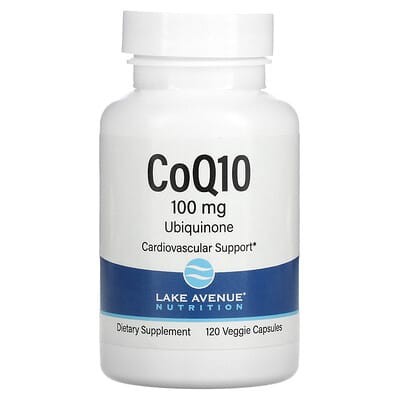
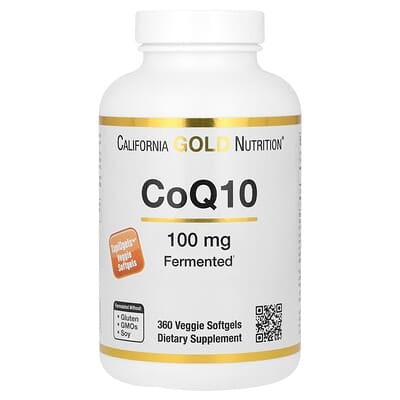
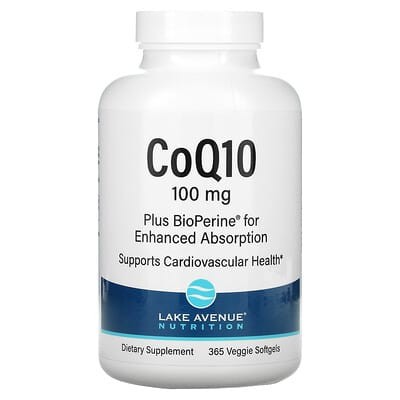
CoQ10 is essential for the function of high-energy organs like the heart, liver, and brain. Supplementing can help combat age-related declines in cellular energy, reduce oxidative stress, and support cardiovascular health. The ubiquinol form offers superior bioavailability.
- Focuses on
- Most relevant for
- Individuals interested in supporting cellular antioxidant defenses and cardiovascular biomarkers, particularly when combined with other nutrients like selenium.
Potential benefits
- Antioxidant Skin Protection.Unconfirmed. Topical CoQ10 has been shown to reduce wrinkle depth and protect against UV-induced oxidative stress; however, it is unconfirmed if oral supplements provide the same skin-specific anti-aging benefits.
- Cardiovascular Biomarker Support.Unconfirmed. Long-term use, especially when combined with selenium, may positively influence biomarkers related to inflammation and heart health in older adults, though evidence for CoQ10 alone is less certain.
- Cellular Energy Processes.Unconfirmed. As a key component of the mitochondrial electron transport chain, supplementation may help maintain cellular bioenergetics, though its ability to slow biological aging remains unproven.
Limitations
- Lack of Functional Improvement.In healthy older adults, 400mg daily increased blood CoQ10 levels but failed to improve muscle mitochondrial function, physical performance, or cognitive scores over 12 weeks.
- Dependency on Other Nutrients.Several significant anti-aging findings involve CoQ10 taken alongside selenium, making it difficult to determine if CoQ10 alone provides the same cardiovascular or longevity benefits.
- Uncertain Impact on Biological Age.Large-scale observational data linking CoQ10 to lower epigenetic biological age lost statistical significance after adjusting for health and lifestyle factors.
Things to consider
Supplementation effectively raises plasma levels, but this does not always translate into higher concentrations within muscle tissue or improved physical energy in robust individuals.
Study evidence
6 studiesCoenzyme Q-10 has promising findings for some age-related conditions and skin changes, but the available research does not establish that oral supplementation slows aging. Benefits from combinations or topical products cannot be assumed for Coenzyme Q-10 supplements alone.
View goal