
Nutrient quality
A few visible nutrients provide modest support, but the main blend ingredients and doses cannot be assessed. Weak dose depth and heavy reliance on hidden blends sharply reduce formula quality.
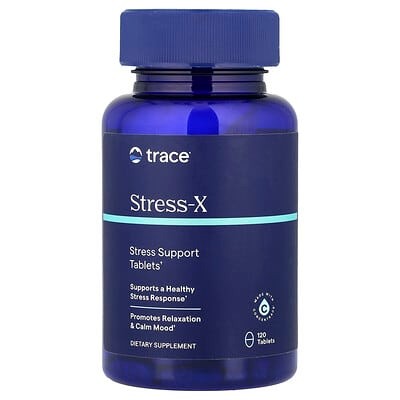
 iHerb iHerb | $ 48.00 | |
 Vitacost Vitacost | $ 39.99 |
Vitamin C, zinc citrate, B vitamins, and trace-mineral concentrates provide a useful nutritional base. Natural vitamin E is present, though its amount is modest, and vitamin D is particularly low.
An 838 mg herbal blend, a mineral blend, and a food concentrate complex hide their individual ingredients and amounts. That opacity prevents meaningful assessment of botanical effects, interactions, allergens, and whether the formula supports its intended uses.
Two tablets per serving and a relatively high serving cost weaken convenience and value. The product may suit someone specifically wanting the named mineral concentrate, but a transparent multivitamin would be easier to evaluate.
A few visible nutrients provide modest support, but the main blend ingredients and doses cannot be assessed. Weak dose depth and heavy reliance on hidden blends sharply reduce formula quality.
Some nutrient totals are stated, but the main proprietary blends hide their individual active amounts. Daily directions and a complete excipient list are not supplied.
The supplied aggregate satisfaction metric is supported by the available feedback volume. No feedback excerpts or complaint themes are supplied, so specific experience patterns cannot be verified.
Serving value is weak relative to the meaningful active content. Numerous small or hidden additions weaken price efficiency.
| Ingredient | Amount per serving |
|---|---|
Calories | 5 {Calories} |
Total Carbohydrates | 2 Gram(s) |
Vitamin A (Vitamin A Palmitate) | 2500 IU |
Vitamin C (Ascorbic Acid) | 175 mg |
Vitamin D (Cholecalciferol) | 70 IU |
Vitamin E (D-Alpha-Tocopherol Succinate) | 10 IU |
Thiamine (Thiamine Hydrochloride, Vitamin B1) | 8 mg |
Riboflavin (Vitamin B2) | 8 mg |
Niacin | 20 mg |
Vitamin B6 (Pyridoxine Hydrochloride) | 13 mg |
Folic Acid | 315 mcg |
Vitamin B12 (Cyanocobalamin) | 40 mcg |
Biotin | 130 mcg |
Pantothenic Acid (D-Calcium Pantothenate) | 70 mg |
Calcium (Calcium Carbonate, Calcium D-Pantothenate, Calcium Sulfate) | 95 mg |
Iron | 0.7 mg |
Magnesium | 80 mg |
Zinc (Zinc Citrate) | 10 mg |
Selenium (Selenium Amino Acid Chelate) | 7 mcg |
Chromium (Chromium Amino Acid Chelate) | 15 mcg |
Chloride (ConcenTrace Blend, NaCl) | 200 mg |
Sodium (Sodium Chloride) | 40 mg |
Potassium (Potassium Citrate) | 80 mg |
Herbal Blend | 838 mg |
ConcenTrace(R) Blend | 566 mg |
Food Concentrate Complex | 182 mg |
Sulfate (Calcium Sulfate) | 40 mg |
PABA | 7 mg |
Boron (Boron Citrate) | 0.6 mg |
ConcenTrace and sodium chloride provide clearly identified chloride sources, though the tablet format slows dissolution. The 200 mg amount is meaningful for general electrolyte support and is fully disclosed. Value is average because much of the serving cost supports the broader stress formula.
Calcium sulfate clearly identifies the mineral carrier for the sulfur source. The 40 mg sulfate amount falls within the moderate tier. A moderate or higher disclosed dose partly supports the cost.
The vitamin A form is a significant quality limitation. Absorption depends largely on taking the product with dietary fat. The dose is well aligned and cost efficiency is favorable.