
Nutrient quality
Sodium chloride is clearly identified, and potassium chloride provides a standard supporting electrolyte form. The 240 mg sodium amount offers modest hydration support but may be low for heavy sweating.
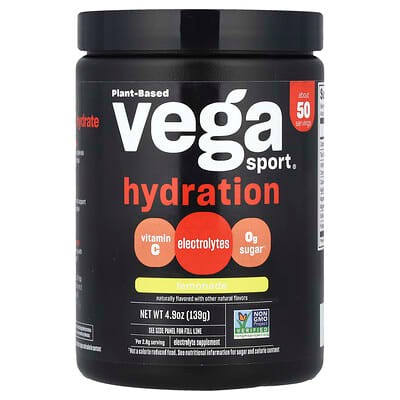
.
 iHerb iHerb | $ 25.43 | |
 Vitacost Vitacost | $ 22.26 | |
 Pure Formulas Pure Formulas | $ 30.27 |
The powder provides 240 mg of sodium from sodium chloride, 120 mg of potassium from potassium chloride, and 20 mg of magnesium from magnesium carbonate. Full source naming is a transparency strength and makes the electrolyte trade-offs easy to assess.
The sodium amount can support light hydration, but it is below what some heavy-sweat situations require. Potassium is low and magnesium carbonate contributes only a small amount, so the mineral profile is not especially broad or potent.
Vitamin C from acerola cherry extract and a five-calorie serving keep the formula lean. It fits casual or moderate hydration better than targeted heart support or intensive electrolyte replacement.
Sodium chloride is clearly identified, and potassium chloride provides a standard supporting electrolyte form. The 240 mg sodium amount offers modest hydration support but may be low for heavy sweating.
.Active amounts are listed clearly. No proprietary blend hides a key dose, but other ingredients and full directions are missing.
.The supplied average rating is generally strong and the rating volume provides an aggregate signal. No comment-level evidence is provided to assess recurring complaints or confirm how experience matches the intended purpose.
.The electrolyte amount and formula quality support favorable serving value. The main non-electrolyte actives are purposeful rather than obvious padding.
.| Ingredient | Amount per serving |
|---|---|
Calories | 5 Calorie(s) |
Total Carbohydrates | 2 Gram(s) |
Vitamin C (Acerola Cherry Extract) | 90 mg |
Calcium (Marine Algae) | 50 mg |
Magnesium (Magnesium Carbonate) | 20 mg |
Sodium (Sodium Chloride) | 240 mg |
Potassium (Potassium Chloride) | 120 mg |
The 240 mg sodium serving is slightly below the preferred athletic replenishment range. Sodium chloride is clearly identified as the sodium source. Magnesium carbonate is a less favorable form, while potassium chloride offers no highly bioavailable form advantage. Cost per serving is low compared with the collection benchmark.
Potassium chloride works as an electrolyte but lacks the buffering benefits of organic potassium salts. The amount is below the moderate range and elemental yield is only implied. Low serving cost provides acceptable value for light hydration support rather than high-potency intake.