
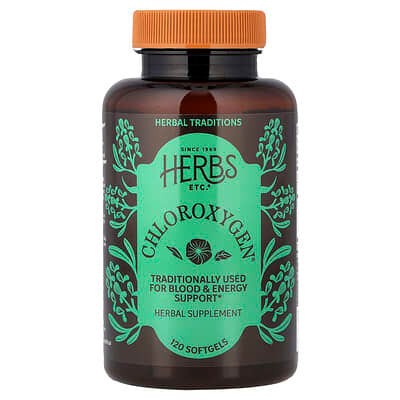
Nutrient quality
Sodium copper chlorophyllin is stable, and the softgel may protect the active during storage. The copper amount is moderate, though its form is less established than a dedicated chelate.
.
 Amazon Amazon | $ 18.19 | |
 Walmart Walmart | $ 18.19 | |
 iHerb iHerb | $ 18.19 | |
 Vitacost Vitacost | $ 16.27 | |
| iHerb | $ 18.19 |
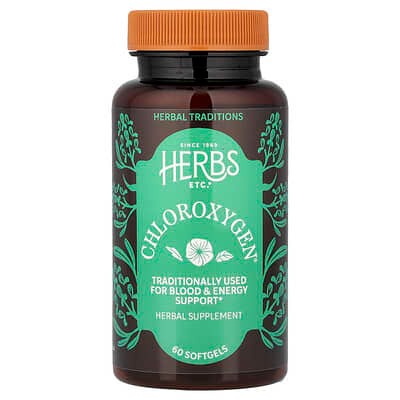
The 50 mg chlorophyllin dose is clearly stated in a convenient softgel. Stable sodium copper chlorophyllin offers predictable derivative-form delivery.
The formula provides 2 mg copper and does not identify a botanical source. No goal is supplied, so the product is best judged for ingredient delivery rather than promised detox or wellness outcomes.
The smaller count may suit users trialing the format before buying a larger bottle. Missing non-active softgel details prevent a full assessment of dietary compatibility.
Sodium copper chlorophyllin is stable, and the softgel may protect the active during storage. The copper amount is moderate, though its form is less established than a dedicated chelate.
.The main active amounts are mostly visible, making the core formula possible to assess. Serving directions and non-active ingredients are missing, and any named blend further limits clarity.
.The supplied average is generally strong and the response volume is very large. No detailed feedback is provided to assess recurring complaints or fit with the intended purpose.
.The substantial active amount and economical softgel serving support good value. Little of the active formula appears devoted to low-value extras.
.| Ingredient | Amount per serving |
|---|---|
Calories | 5 Calorie(s) |
Sodium | 4 mg |
Copper | 2 mg |
Chlorophyll (Sodium Copper Chlorophyllin) | 50 mg |
The stable sodium copper chlorophyllin form and protective softgel delivery appear well suited to chlorophyll supplementation. A full 50 mg serving is clearly disclosed, along with its copper and sodium content. The plant source is not identified, while the low cost per active amount supports strong value; people who must limit copper should account for the 2 mg supplied per serving.
The daily copper amount matches the collection target, but the label does not clearly identify a recognized supplemental copper compound. The absence of zinc avoids an unfavorable zinc-to-copper balance, while the role of sodium copper chlorophyllin leaves copper absorption uncertain. The serving cost is favorable compared with the collection median.