

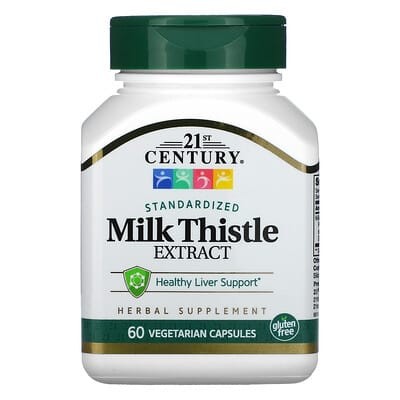
Nutrient quality
The botanical species is identified, but the extract offers no stated absorption advantage. The amount is relevant, though missing standardization prevents confirmation of active potency.
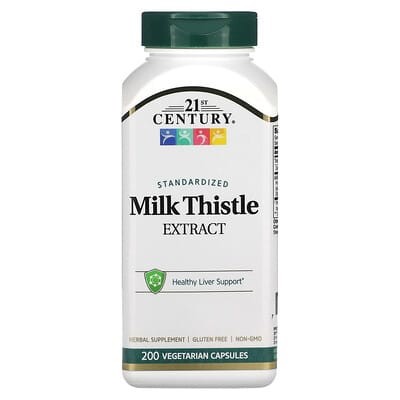
 iHerb iHerb | $ 15.99 | |
 Amazon Amazon | $ 15.99 | |
| iHerb | $ 13.59 |
A simple powdered extract keeps the product directly focused on milk-thistle antioxidant and liver-cell support. The high capsule count improves convenience for long-term users.
Although 175 mg of Silybum marianum extract is disclosed, neither the source plant part nor silymarin percentage is provided. Effective active potency therefore remains unclear, and the dry format offers no stated delivery advantage.
The low serving cost is the strongest purchasing case. It suits buyers who value supply and simplicity more than verified standardization or enhanced absorption.
The botanical species is identified, but the extract offers no stated absorption advantage. The amount is relevant, though missing standardization prevents confirmation of active potency.
The active ingredient has a stated amount without a hidden proprietary blend. Standardization or source details, daily-use directions, and non-active ingredients remain incomplete.
The supplied average rating is strong and is supported by very large review count. No detailed feedback is available to assess repeated complaints or purpose-specific experiences.
A focused formula and very low qualitative serving cost provide practical value. Missing potency details prevent a reliable comparison with standardized extracts.

Milk thistle directly supports liver-cell protection and antioxidant defenses. The 175 mg powdered extract amount is relevant, but identifies Silybum marianum but omits seed source, silymarin yield, and absorption support.
The focused formula provides depth in one liver-support pathway rather than broad metabolic clearance. Active silymarin yield and absorption quality remain the main uncertainties.
| Ingredient | Amount per serving |
|---|---|
Milk Thistle powdered extract (Silybum marianum) | 175 mg |
The dry format provides no stated absorption advantage. The source plant part and active-marker yield remain unclear. The low serving cost partly offsets the weak potency disclosure.
Published studies used for the product analysis and the top-ranked studies for each ingredient and goal.