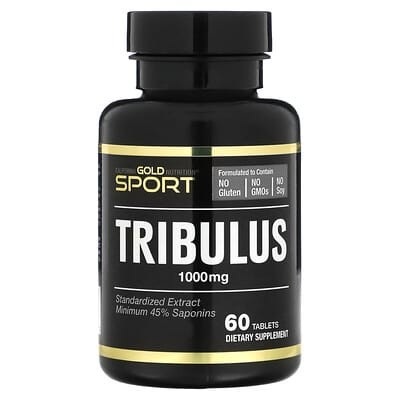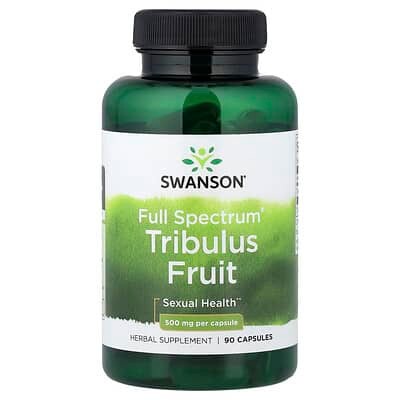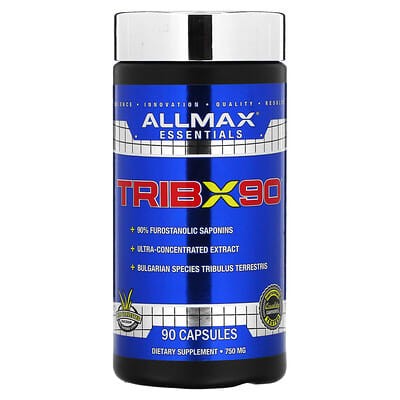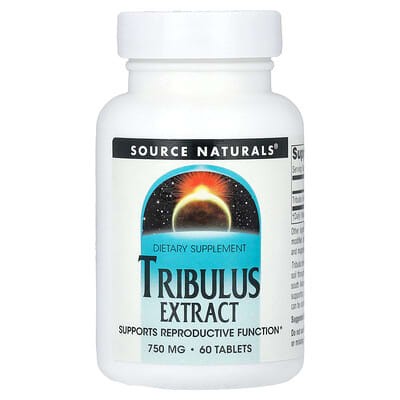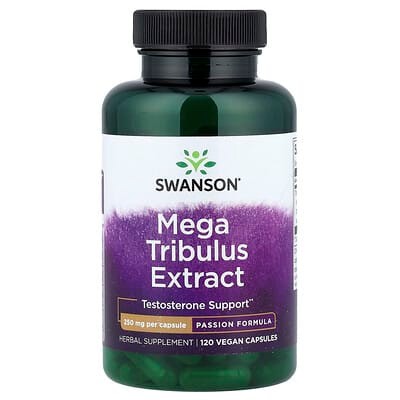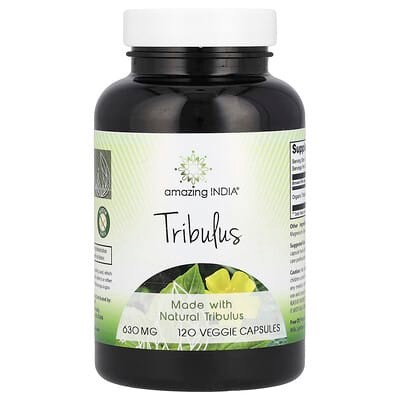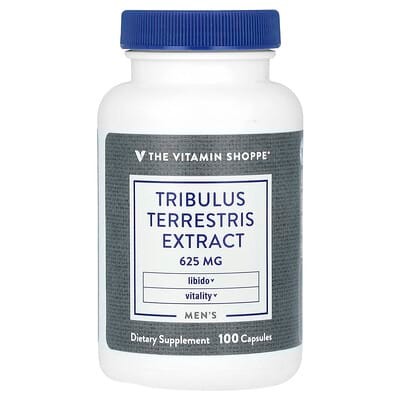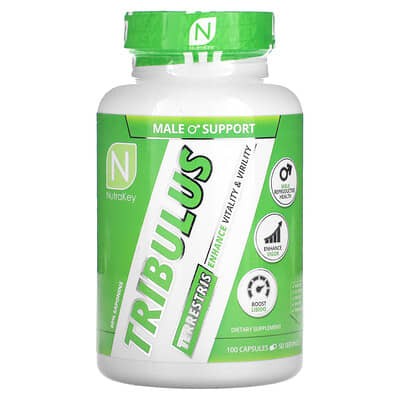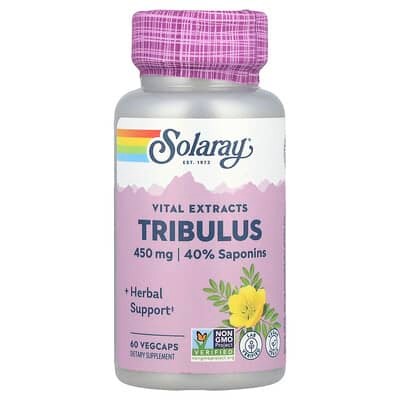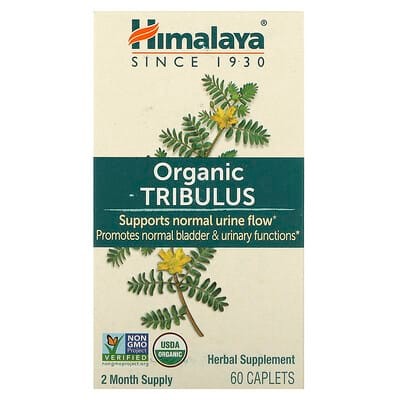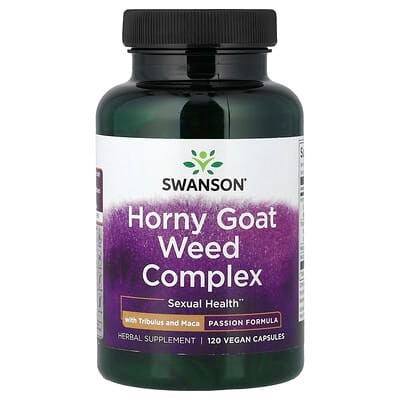
Tribulus terrestris is a traditional herb often taken to support healthy hormonal balance, especially concerning testosterone. While studies on direct testosterone increase in healthy young men are mixed, it is consistently linked to improvements in libido, sexual function, and overall male vitality, which are often associated with optimal testosterone levels. It may act by increasing luteinizing hormone (LH) or affecting androgen receptors.
- Focuses on
- Most relevant for
- Men with late-onset hypogonadism or individuals seeking support for sexual desire and function.
Potential benefits
- Libido and Sexual Function.Evidence suggests improvements in sexual desire and erectile function, particularly in men with low androgen levels or women with low libido.
- Hypogonadal Testosterone Support.Some studies in aging men with partial androgen deficiency report modest increases in total testosterone following supplementation.
- Bioavailable Testosterone.Unconfirmed. Increases in free and bioavailable testosterone have been observed in specific trials, though this effect is unproven in healthy men with normal baseline levels.
Limitations
- Ineffective in Healthy Men.Controlled trials consistently show that Tribulus does not increase testosterone or luteinizing hormone in healthy young men or those with normal baseline levels.
- No Performance Benefit.Research in elite athletes and CrossFit participants indicates no significant impact on muscle mass, strength, or fat-free mass compared to placebo.
- Inconsistent Findings.Systematic reviews conclude that evidence for general testosterone boosting is weak and often depends on the specific health status of the population studied.
Things to consider
Some studies noted elevations in liver enzymes (AST) and prostate-specific antigen (PSA), suggesting a need for caution regarding liver and prostate health during use.
Study evidence
13 studiesTribulus is not supported as a reliable testosterone booster, particularly for men whose levels are already normal. Some research reports increases in selected clinical populations, but the findings are inconsistent, and improvements in sexual function do not necessarily indicate higher testosterone.