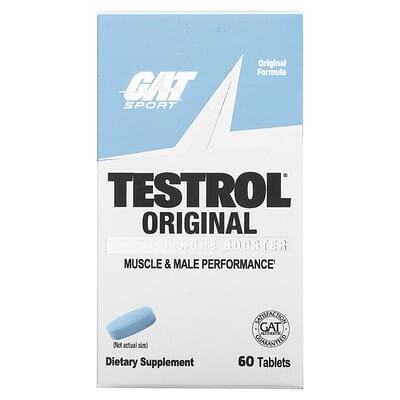


About this product
The clearest hormone-related role comes from zinc when inadequate zinc intake has lowered normal testosterone function. The 30 mg zinc serving does not establish an increase when zinc needs are already met. Tribulus at 500 mg has a disclosed saponin marker, but that detail does not establish a testosterone benefit.
The longjack preparation is unidentified, so findings for a particular tested extract cannot be transferred to it. Ginkgo lacks disclosed flavone and terpene percentages, saw palmetto lacks a fatty-acid percentage, and fenugreek lacks a marker amount. These gaps make the many botanicals harder to compare with specific preparations that have been evaluated.
Magnesium at 450 mg supplies a substantial amount, but the oxide form has lower absorption potential and can affect bowel movements. Arginine at 150 mg is small relative to the amounts behind the supplied circulation findings, limiting its practical contribution. Weak value comparisons for magnesium, zinc and arginine further limit the appeal of a formula whose broader hormone and performance benefits remain uncertain.
Pros
Individual ingredient amounts are disclosed Tribulus includes a stated saponin percentage The arginine source is identified
Cons
Magnesium oxide and zinc sulfate are less favorable mineral forms Longjack identity does not match a specified tested preparation Ginkgo and saw palmetto lack key composition details The arginine amount is small relative to the supplied evidence Several main mineral contributions offer limited value Copper content is unknown
Warnings
The 450 mg magnesium oxide serving can draw water into the bowel and may cause looser stools, particularly alongside other magnesium supplements. The 30 mg zinc serving leaves limited room before the supplied adult daily upper limit of 40 mg; check other supplements because copper content is not established.