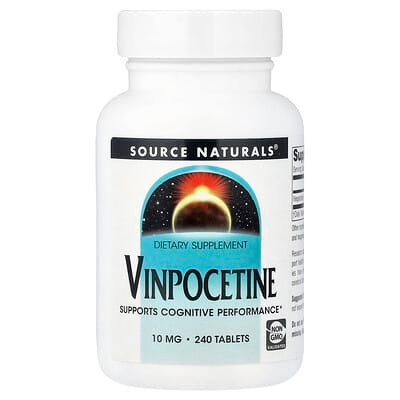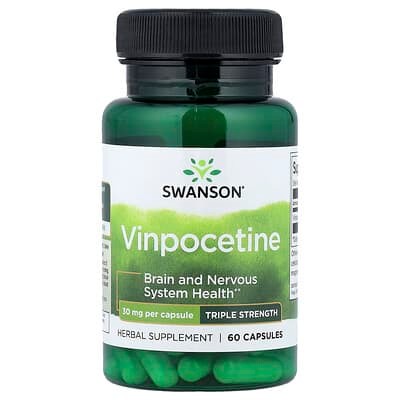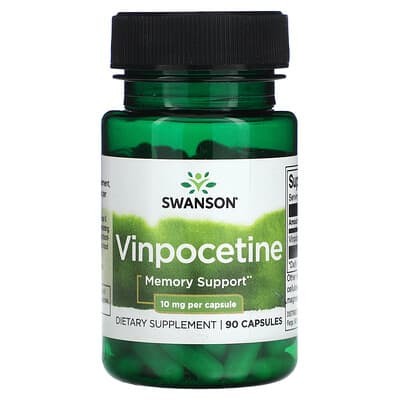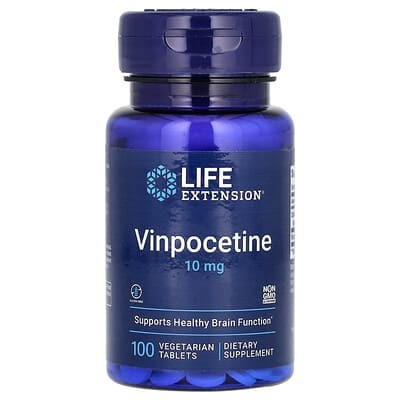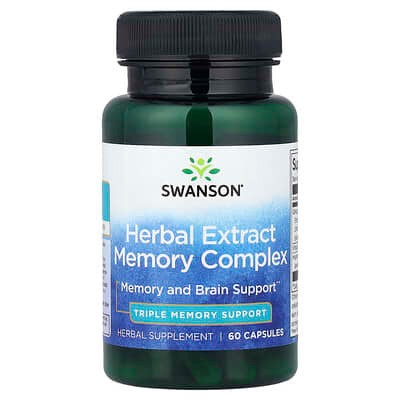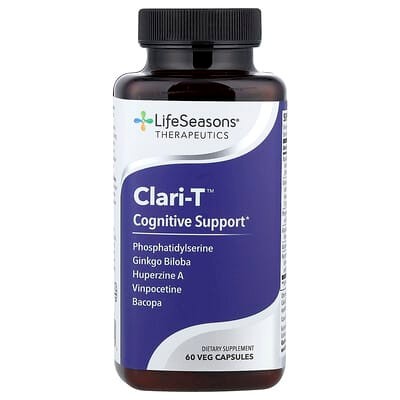
Vinpocetine

non-nutrient_non-botanical

Vinpocetine is a semi-synthetic derivative of vincamine, an alkaloid found in the Vinca minor or lesser periwinkle plant. While based on a plant extract, the compound is synthesized in a laboratory setting. It is used as a nootropic supplement to support brain health and cognitive performance by assisting the brain's microcirculation. Its mechanism is thought to involve selective inhibition of phosphodiesterase type 1 (PDE1), which may increase cerebral cyclic GMP (cGMP) levels. Such action can relax smooth muscles in blood vessels, supporting improved cerebral blood flow and oxygen utilization. It also demonstrates neuroprotective and anti-inflammatory properties that contribute to brain resilience. Supplementation is commonly used for its potential to support memory, concentration, and general cognitive function. Research specifically investigates its role in brain health where circulation might be compromised, assisting in the delivery of nutrients and oxygen to neural tissues and potentially aiding in neurological recovery.

No public comparison lists found.

Optimal Dosage
Minimum2 mg
Maximum10 mg
Safety & Toxicity
Upper Limit (UL)10 mg
Toxicity Threshold20 mg
Toxicity EffectNausea, dizziness, flushing
5 safety notes
  • Pregnant or breastfeeding individuals should avoid use due to insufficient safety data.
  • Individuals with bleeding disorders or those taking blood-thinning medications should use with extreme caution due to potential anticoagulant effects and increased risk of bleeding.
  • May lower blood pressure, so individuals with hypotension or those taking blood pressure medications should monitor their blood pressure closely.
  • Not recommended for individuals with certain heart conditions, arrhythmias, or recent stroke without medical supervision.
  • Discontinue use and consult a healthcare professional if experiencing unusual bleeding, bruising, or severe side effects.
Goals
Productivity Boost
Impact
High effect
Typical dose:10–30 mg

Vinpocetine enhances cerebral metabolism and circulation, delivering more oxygen and glucose to neurons. This action can improve memory, alertness, and processing speed, making it effective for periods of intense mental work.

Focuses on
Mental EnergyAlertnessProcessing Speed
Most relevant for
Individuals seeking to sustain mental clarity and energy during periods of demanding cognitive workload.

Potential benefits

  • Cerebral Circulation Support.Unconfirmed. Plausibly supports productivity by increasing blood and oxygen delivery to brain cells, though specific evidence for productivity gains is currently unproven.
  • Mental Processing Speed.Unconfirmed. May help maintain alertness and speed during intense tasks, but its direct impact on productivity outcomes has not been clinically established.

Limitations

  • Lack of Productivity Research.There is a lack of high-quality clinical data specifically linking vinpocetine use to measurable productivity improvements in healthy adults.
  • Clinical Focus Bias.Much of the existing evidence relates to cognitive decline rather than performance optimization in healthy populations.
Things to consider

Consult a healthcare provider before use if you are taking blood-thinning medications or have blood pressure concerns, as vinpocetine affects circulation.

Study evidence

No published studies for this goal yet.

View goal

Mental Focus
Impact
Moderate effect
Typical dose:10–30 mg

Vinpocetine is a synthetic compound derived from the periwinkle plant that acts as a cerebral vasodilator, increasing blood flow and nutrient delivery to the brain. While this can support overall brain health and may lead to modest improvements in mental clarity, the clinical evidence for it as a primary focus-enhancer is not as strong as other nootropics.

Focuses on
AttentionProcessing Speed
Most relevant for
Individuals seeking to support mental clarity who may be experiencing age-related cognitive decline or circulatory issues.

Potential benefits

  • Concentration in Specific Populations.In patients with conditions like epilepsy, studies have shown significant improvements in concentration scores after consistent use.
  • Attention Scores in Older Adults.Reviews indicate improved performance on global cognitive tests reflecting attention for older adults with memory issues or poor brain circulation.
  • Processing Speed in Healthy Adults.Unconfirmed. A small trial in healthy volunteers showed faster memory scanning speed, though this benefit is unproven for general daily focus.

Limitations

  • Unproven for Healthy Focus.Evidence for improved concentration in healthy individuals is narrow and inconsistent across different mental tasks.
  • No Subjective Improvement.In controlled testing, healthy participants reported no significant change in how alert or focused they felt.
  • Mixed Performance Results.Research shows no significant impact on certain cognitive measures such as choice reaction time or flicker fusion frequency.

Study evidence

3 studies

Vinpocetine has preliminary evidence for improving some cognitive scores in people with existing impairment, but support for better mental focus in healthy adults is weak. Limited healthy-volunteer research found a narrow memory benefit without consistent improvements across other measures of mental performance.

View goal
Brain Health
Impact
Situational effect
Typical dose:5–30 mg

Vinpocetine is a synthetic compound that acts as a vasodilator, specifically increasing blood flow in the brain. While this can be beneficial in certain conditions related to poor cerebral circulation, its general use as a top-tier cognitive enhancer is not supported by strong evidence, and it carries regulatory warnings in some regions. Its effectiveness is highly situational.

Focuses on
MemoryFocusBrain ProtectionBrain Nutrients
Most relevant for
Individuals with concerns regarding age-related cognitive decline or chronic circulatory issues affecting the brain.

Potential benefits

  • Cerebral Blood Flow Support.Studies indicate vinpocetine may increase regional blood flow and glucose metabolism, which supports the delivery of oxygen and nutrients to brain tissue in chronic cerebrovascular conditions.
  • Vascular-Based Cognition.Research suggests potential improvements in memory, concentration, and daily activity scores for individuals with mild cognitive impairment or chronic brain circulation issues.
  • General Cognitive Maintenance.Unconfirmed. Evidence for enhancing memory or focus in healthy, unimpaired adults is lacking, and the benefit for general brain health in this population is unproven.

Limitations

  • Clinical Population Bias.Most supportive evidence is derived from patients with serious conditions like stroke, dementia, or radiation-induced injury, limiting applicability to the general population.
  • Administration Differences.Significant results for brain blood flow redistribution were often observed using intravenous administration, which may not translate directly to oral supplementation.
  • Inapplicability to Acute Stroke.Clinical reviews indicate no evidence that vinpocetine treatment is applicable or effective for the management of acute ischemic stroke.
Things to consider

Vinpocetine may be incompatible with blood-thinning medications. It carries regulatory warnings in some regions and is not recommended for acute medical conditions without professional supervision.

Study evidence

7 studies

Vinpocetine shows possible cognitive benefits in people with impaired brain circulation or existing cognitive problems, but the evidence has important limitations. Findings from medical treatments, including intravenous and combination therapy, do not establish general brain-health benefits for healthy people taking supplements.

View goal
Eye Health
Impact
Situational effect
Typical dose:15–60 mg

The benefits of Vinpocetine for vision are largely extrapolated from its known effects on cerebral blood flow. There is a lack of robust clinical trials demonstrating a significant and reliable effect on visual outcomes in the general population. Its use is speculative and therefore situational.

Focuses on
RetinaEye Circulation
Most relevant for
Individuals managing early age-related macular degeneration alongside standard antioxidant therapy.

Potential benefits

  • Retinal function support.Unconfirmed. Preliminary research suggests it may improve retinal electrical activity in patients with macular degeneration, though evidence is non-randomized and unproven.
  • Ocular blood flow.Unconfirmed. Limited evidence indicates it might increase blood supply to the eye, but its direct impact on visual outcomes is not established.
  • Visual acuity sharpness.Unconfirmed. In a clinical setting, it was associated with improved sharpness of vision when added to a broader eye-health regimen.

Limitations

  • Isolated effects unknown.Research only evaluates vinpocetine when combined with other treatments, making its individual contribution to vision unclear.
  • Non-randomized evidence.The primary study lacked randomization, which significantly limits the reliability of the reported visual improvements.
  • Limited applicability.Evidence is restricted to specific clinical populations and does not demonstrate benefits for healthy individuals or general vision support.
Things to consider

The use of vinpocetine for vision is speculative and lacks evidence for prevention or as a standalone supplement.

Study evidence

1 study

Vinpocetine has preliminary evidence of improving selected visual measures when added to treatment for early age-related macular degeneration. The limited, nonrandomized research does not establish a reliable benefit for vision, prevention of eye disease or use as a stand-alone supplement.

View goal

Studies

Research connections will load here.
Interactions

Negative Interactions

Ginkgo
May increase the risk of bleeding when combined with Vinpocetine due to additive antiplatelet effects.
Turmeric
May increase the risk of bleeding when combined with Vinpocetine due to additive antiplatelet effects.
Curcumin
May increase the risk of bleeding when combined with Vinpocetine due to additive antiplatelet effects.
Fish Oil
Can have antiplatelet effects, potentially increasing bleeding risk when combined with Vinpocetine.
EPA (Eicosapentaenoic Acid)
Can have antiplatelet effects, potentially increasing bleeding risk when combined with Vinpocetine.
DHA
Can have antiplatelet effects, potentially increasing bleeding risk when combined with Vinpocetine.
Omega-3
Can have antiplatelet effects, potentially increasing bleeding risk when combined with Vinpocetine.
Vitamin E
High doses may increase the risk of bleeding when combined with Vinpocetine due to mild antiplatelet effects.
Magnesium
May enhance blood pressure lowering effects, leading to excessively low blood pressure (hypotension) when combined with Vinpocetine.
Potassium
May enhance blood pressure lowering effects, leading to excessively low blood pressure (hypotension) when combined with Vinpocetine.
L-Carnitine
May enhance blood pressure lowering effects, leading to excessively low blood pressure (hypotension) when combined with Vinpocetine.
Coenzyme Q-10
May enhance blood pressure lowering effects, leading to excessively low blood pressure (hypotension) when combined with Vinpocetine.
GABA
May enhance blood pressure lowering effects, leading to excessively low blood pressure (hypotension) when combined with Vinpocetine.
Taurine
May enhance blood pressure lowering effects, leading to excessively low blood pressure (hypotension) when combined with Vinpocetine.
Melatonin
May enhance blood pressure lowering effects, leading to excessively low blood pressure (hypotension) when combined with Vinpocetine.
Valerian
May enhance blood pressure lowering effects, leading to excessively low blood pressure (hypotension) when combined with Vinpocetine.
Ashwagandha
May enhance blood pressure lowering effects, leading to excessively low blood pressure (hypotension) when combined with Vinpocetine.
Hawthorn
May enhance blood pressure lowering effects, leading to excessively low blood pressure (hypotension) when combined with Vinpocetine.
Green Tea
May enhance blood pressure lowering effects, leading to excessively low blood pressure (hypotension) when combined with Vinpocetine.
Sources

Up to five highest-ranked published examples per goal. Study counts and charts include all published studies for the connection.

  1. Effect of vinpocetine (cognitol™) on cognitive performances of a nigerian population.
    Ogunrin A · Annals of medical and health sciences research · 2014
    Non-randomized trial112 participantsMental FocusBrain Health
  2. "Brain-specific" nutrients: a memory cure?
    McDaniel MA; Maier SF; Einstein GO · Nutrition (Burbank, Los Angeles County, Calif.) · 2004
    Narrative reviewMental Focus
  3. Psychopharmacological effects of vinpocetine in normal healthy volunteers.
    Subhan Z; Hindmarch I · European journal of clinical pharmacology · 1985
    Randomized trial12 participantsMental Focus
  4. Combination of Vinpocetine and Dexamethasone Alleviates Cognitive Impairment in Nasopharyngeal Carcinoma Patients following Radiation Injury.
    Zhang P; Cao Y; Chen S; Shao L · Pharmacology · 2021
    Randomized trial60 participantsBrain Health
  5. Effects of vinpocetine on the redistribution of cerebral blood flow and glucose metabolism in chronic ischemic stroke patients: a PET study.
    Szilágyi G; Nagy Z; Balkay L; Boros I; Emri M; Lehel S; Márián T; Molnár T; Szakáll S; Trón L; Bereczki D; Csiba L; Fekete I; Kerényi L; Galuska L; Varga J; Bönöczk P; Vas A; Gulyás B · Journal of the neurological sciences · 2005
    Randomized trial13 participantsBrain Health
  6. Role of sodium channel inhibition in neuroprotection: effect of vinpocetine.
    Bönöczk P; Gulyás B; Adam-Vizi V; Nemes A; Kárpáti E; Kiss B; Kapás M; Szántay C; Koncz I; Zelles T; Vas A · Brain research bulletin · 2001
    Narrative reviewBrain Health
  7. [Study of the effects of vinpocetin on cognitive functions].
    Valikovics A; Csányi A; Németh L · Ideggyogyaszati szemle · 2012
    Clinical trialBrain Health
  8. [Effect of vasoactive agents on visual functions and ocular blood flow in patients with early manifestations of age-related macular degeneration].
    Avetisov SE; Kiseleva TN; Lagutina IuM; Kravchuk EA · Vestnik oftalmologii · 2007
    Non-randomized trial40 participantsEye Health