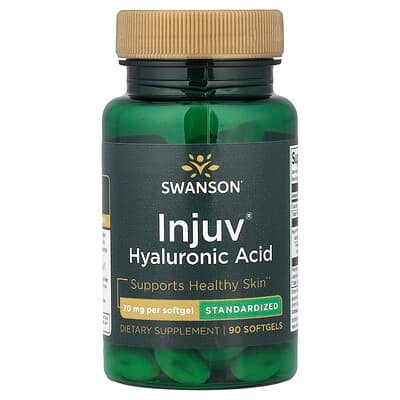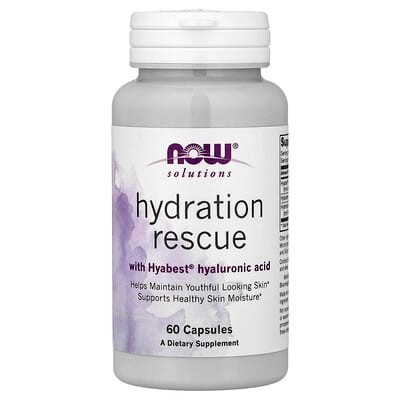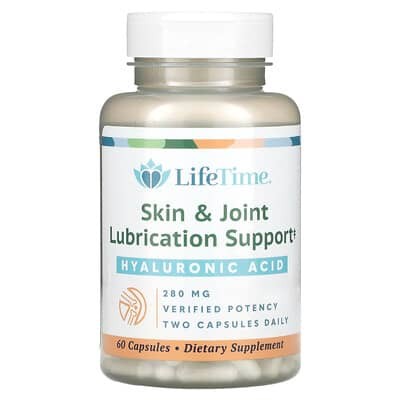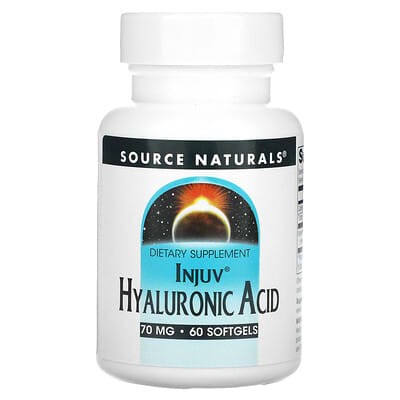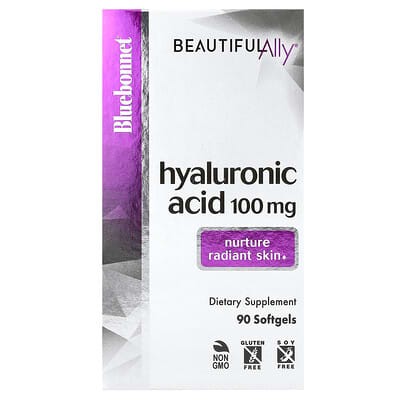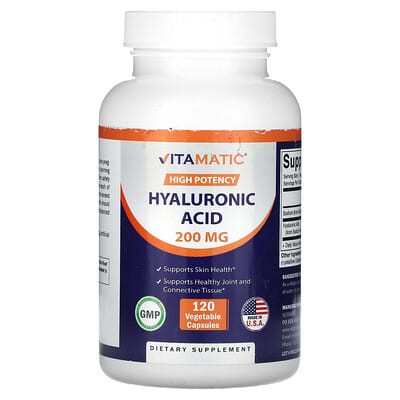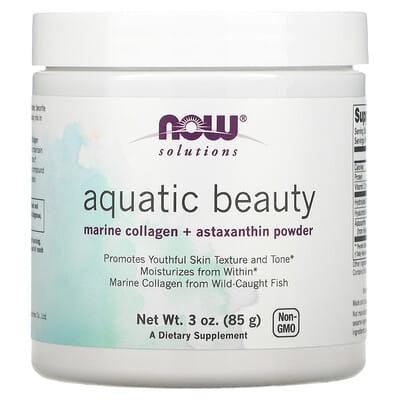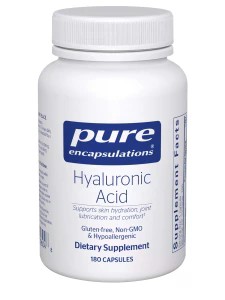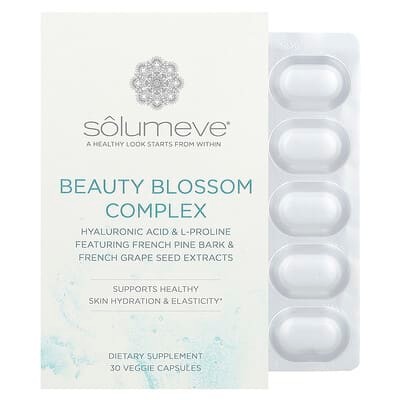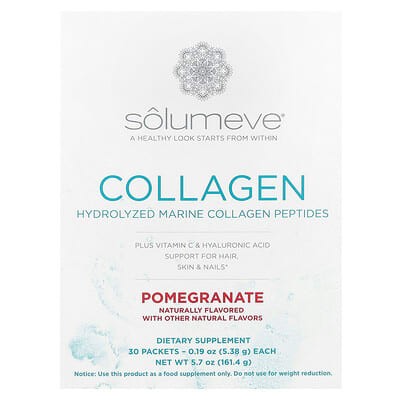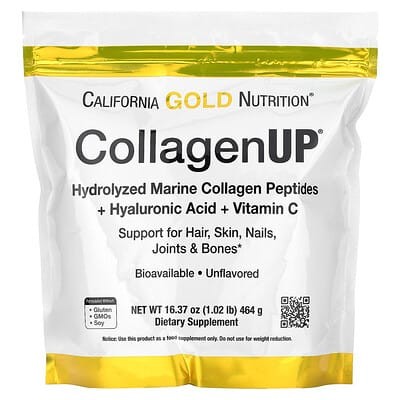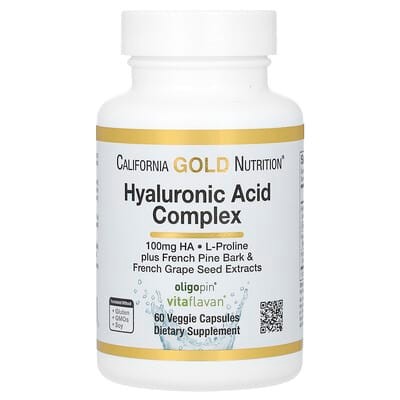
Hyaluronic Acid is a key molecule for skin hydration, capable of holding up to 1000 times its weight in water. Clinical trials demonstrate that oral supplementation is effectively absorbed and increases the skin's moisture content, leading to a visible reduction in dryness and wrinkles and improved skin smoothness.
- Focuses on
- Most relevant for
- Individuals looking to maintain skin moisture levels and address early signs of aging like fine lines.
Potential benefits
- Improved Moisture Content.Daily oral supplementation has been shown to increase the water content of the skin's outer layer, helping to alleviate dryness from within.
- Reduction in Wrinkles.Consistent use over 8 to 12 weeks may help suppress wrinkle formation and improve overall skin texture and smoothness.
Limitations
- Delivery Method Differences.Most clinical evidence supports injectable fillers for volume; oral supplements may not provide the same structural or immediate results.
- Inconsistent Elasticity Effects.While hydration is well-supported, the impact on skin elasticity is mixed, with several trials showing no significant improvement over a placebo.
- Combination Supplement Uncertainty.Adding hyaluronic acid to multi-ingredient formulas, such as those containing collagen, may not provide additional benefits beyond the base ingredients.
Things to consider
Hyaluronic acid is generally well-tolerated, though localized treatments like microneedle patches may cause transient redness or a temporary increase in water loss.
Study evidence
96 studiesHyaluronic Acid may improve skin hydration and the appearance of wrinkles, but much of the supplied evidence concerns injections rather than supplements. Oral research is promising but limited, and benefits from injected fillers or combination products cannot be assumed for every oral preparation.