


Vitamin C Supportive
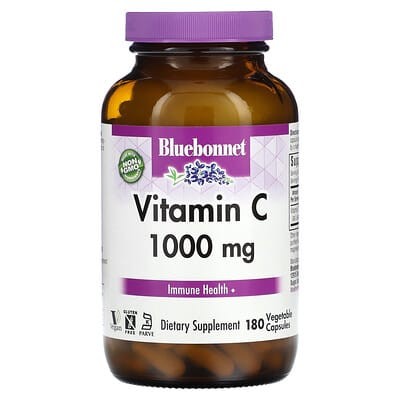
$31.16 $0.17 per serving
Product analysis
Bluebonnet Vitamin C 1000 mg supports normal immune function and antioxidant protection with 1,000 mg of L-ascorbic acid per vegetable capsule. It is good value for a higher-dose vitamin C supplement, with the clearest nutritional benefit for people whose diets provide too little vitamin C.
AI assessment of the formula, label and price. How scoring works
Nutrient Quality40
L-ascorbic acid is the basic form of vitamin C used in this capsule. It delivers the intended nutrient without a demonstrated special advantage over other forms.
Ingredient Transparency100
Both the vitamin C amount and its form are clearly identified. The straightforward label allows easy comparison with similar products.
Value For Money80
The capsule offers good value for its high vitamin C content. Its cost per gram is much lower than the median for comparable supplements.
Customer Satisfaction79
Customer satisfaction is very positive, averaging 4.8 out of 5. The 464 ratings provide a substantial amount of feedback.
Product Focus79
Vitamin C is the formula's sole active ingredient, keeping it focused on everyday nutrient support. Its strongest uses are normal immune function and antioxidant protection, particularly when intake is inadequate.
- Format
Capsule - Container
- 180 Capsule(s)
- Per serving
- $0.17
- Also available
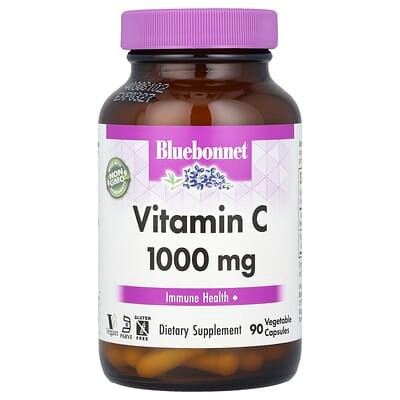 Vitamin C 1000 mg$17.20
- Customer rating
- 4.8 · 464 ratings
Goals

Impact
Highest effect
Vitamin C · 1000 mg
Vitamin C 1000 mg offers a focused option for modest regular-use cold-duration support. Its 1,000 mg of vitamin C also contributes to normal immune function.

Impact
High effect
Vitamin C · 1000 mg
Vitamin C 1000 mg offers nutritional skin support when vitamin C intake is inadequate. The 1,000 mg L-ascorbic acid serving supplies a cofactor for collagen-making enzymes, with its clearest value in correcting inadequate intake.
Vitamin C Supportive

Impact
High effect
Vitamin C · 1000 mg
Vitamin C 1000 mg is a focused option for filling a vitamin C dietary gap in everyday health. Its 1,000 mg of vitamin C as L-ascorbic acid supports normal antioxidant and immune functions; the practical value depends on how much vitamin C the diet already supplies.
Vitamin C Supportive

Impact
High effect
Vitamin C · 1000 mg
Vitamin C 1000 mg offers a narrow antioxidant contribution to eye health. Its 1,000 mg vitamin C supports antioxidant defense in retinal and lens tissues.
Vitamin C Disputed

Impact
Highest effect
Vitamin C · 1000 mg
Vitamin C 1000 mg offers a limited, context-dependent fit for inflammation support. Its 1000 mg vitamin C relates to oxidative stress; the supplied facts describe a possible inflammatory-marker benefit mainly when baseline inflammation is elevated.
Vitamin C Supportive
Ingredients
| Ingredient | Amount per serving | Score |
|---|---|---|
Vitamin C (L-Ascorbic Acid) | 1000 mg |
Vitamin C (L-Ascorbic Acid) · 1000 mg OverallScore64
Bluebonnet Vitamin C 1000 mg is a reasonable vitamin C choice with 1,000 mg per serving. L-ascorbic acid is a basic vitamin C form. Good value at $0.17 per serving, which supplies 1,000 mg of vitamin C.
Alternative products
Report alternatives
Sources
Published studies used for the product analysis and the top-ranked studies for each ingredient and goal.
- Dietary intake and blood concentrations of antioxidants and the risk of cardiovascular disease, total cancer, and all-cause mortality: a systematic review and dose-response meta-analysis of prospective studies.
- Scientific Opinion on the substantiation of a health claim related to vitamin C and increasing non haem iron absorption pursuant to Article 14 of Regulation (EC) No 1924/2006.
- Vitamin C Depletion and All-Cause Mortality in Renal Transplant Recipients.
- Associations of Serum Biomarkers of Fruit and Vegetable Intake With the Risk of Cause-Specific Mortality and All-Cause Mortality: A National Prospective Cohort Study.
- Relation between plasma ascorbic acid and mortality in men and women in EPIC-Norfolk prospective study: a prospective population study. European Prospective Investigation into Cancer and Nutrition.
- Role of Oral Vitamin 'C' on Astigmatic Errors in Phacoemulsification.
- Ascorbic acid metabolites are involved in intraocular pressure control in the general population.
- Nutritional modulation of cataract.
- Dietary n-3 Fatty Acid, α-Tocopherol, Zinc, vitamin D, vitamin C, and β-carotene are Associated with Age-Related Macular Degeneration in Japan.
- Adherence to a Mediterranean diet, lifestyle and age-related macular degeneration: the Coimbra Eye Study - report 3.
- Vitamin C and contribution to the normal function of the immune system: evaluation of a health claim pursuant to Article 14 of Regulation (EC) No 1924/2006.
- Therapeutic effects of high-dose vitamin C supplementation in patients with COVID-19: a meta-analysis.
- Effect of micronutrient supplements on influenza and other respiratory tract infections among adults: a systematic review and meta-analysis.
- New evidence for antioxidant properties of vitamin C.
- Enhanced Vitamin C Delivery: A Systematic Literature Review Assessing the Efficacy and Safety of Alternative Supplement Forms in Healthy Adults.
- Efficacy of Vitamin C as Glucocorticoid Substitute for Reducing Pain and Inflammation After Total Hip Arthroplasty: A Randomized Controlled Trial.
- The Impact of Vitamin C on Analgesic, Anti-inflammatory, and Hemostatic Outcomes After Total Hip and Knee Arthroplasty: A Systematic Review and Meta-Analysis.
- The impact of vitamin C supplementation on the perioperative outcomes after total hip and knee arthroplasty: a systematic review and meta-analysis.
- Therapeutic Impact of Ascorbic Acid on Oral and Periodontal Tissues: A Systematic Literature Review.
- Oral vitamin C administration reduces early recurrence rates after electrical cardioversion of persistent atrial fibrillation and attenuates associated inflammation.