


Vitamin C Supportive
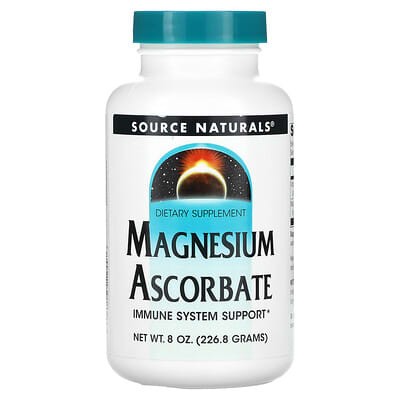
$14.83 $0.08 per serving
Product analysis
AI assessment of the formula, label and price. How scoring works
Nutrient Quality51
Ingredient Transparency100
Value For Money98
Customer Satisfaction80
Product Focus78
- Format
Powder - Container
- 8 Ounce(s)
- Per serving
- $0.08
- Customer rating
- 4.8 · 634 ratings
Goals

Impact
Highest effect
Magnesium · 68 mgVitamin C · 1000 mg
Magnesium Ascorbate is a straightforward vitamin C option for modest regular-use cold-duration support. Its 1000 mg of vitamin C is supplied as magnesium ascorbate; the buffered form receives no added benefit over other vitamin C forms.
Magnesium Supportive

Impact
High effect
Magnesium · 68 mgVitamin C · 1000 mg
Magnesium Ascorbate is primarily a vitamin C supplement for everyday nutritional support. It supplies 1,000 mg vitamin C, contributing to normal antioxidant and immune functions when intake is inadequate. Its 68 mg magnesium adds a smaller mineral contribution rather than making it a substantial magnesium supplement.
Magnesium Supportive
Vitamin C Supportive

Impact
High effect
Vitamin C · 1000 mg
Magnesium Ascorbate offers skin support mainly when vitamin C intake is inadequate. The serving supplies 1000 mg of vitamin C as magnesium ascorbate, which supports collagen formation and correction of deficiency-related poor wound healing.
Vitamin C Supportive

Impact
Highest effect
Vitamin C · 1000 mg
Magnesium Ascorbate offers conditional antioxidant support relevant to inflammation through 1,000 mg of vitamin C. Vitamin C supports antioxidant defenses, with the supplied marker benefit most relevant to elevated baseline inflammation. The 68 mg of magnesium provides only a small amount for correcting low magnesium status that can contribute to inflammation.
Vitamin C Supportive
Magnesium Supportive

Impact
High effect
Vitamin C · 1000 mg
Magnesium Ascorbate offers a narrow eye-health fit through vitamin C’s antioxidant role. It supplies 1,000 mg of vitamin C as magnesium ascorbate to support antioxidant protection in eye tissues.
Vitamin C Disputed
Ingredients
| Ingredient | Amount per serving | Score |
|---|---|---|
Vitamin C (Magnesium Ascorbate) | 1000 mg | |
Magnesium (Magnesium Ascorbate) | 68 mg |
Vitamin C (Magnesium Ascorbate) · 1000 mg OverallScore81
Source Naturals Magnesium Ascorbate provides 1000 mg vitamin C per serving, and the vitamin C comes from Magnesium Ascorbate. Its vitamin C offers good value at $0.08 per serving and per 1,000 mg of vitamin C.
Alternative products
Report alternatives
Sources
Published studies used for the product analysis and the top-ranked studies for each ingredient and goal.
- Perioperative systemic magnesium to minimize postoperative pain: a meta-analysis of randomized controlled trials.
- Long-term outcome after intravenous magnesium sulphate in suspected acute myocardial infarction: the second Leicester Intravenous Magnesium Intervention Trial (LIMIT-2).
- Association of magnesium sulfate use with mortality in critically ill patients with sepsis: a retrospective propensity score-matched cohort study.
- Hypomagnesemia and Mortality in Incident Hemodialysis Patients.
- The effects of magnesium supplementation on abnormal uterine bleeding, alopecia, quality of life, and acne in women with polycystic ovary syndrome: a randomized clinical trial.
- Dietary intake and blood concentrations of antioxidants and the risk of cardiovascular disease, total cancer, and all-cause mortality: a systematic review and dose-response meta-analysis of prospective studies.
- Scientific Opinion on the substantiation of a health claim related to vitamin C and increasing non haem iron absorption pursuant to Article 14 of Regulation (EC) No 1924/2006.
- Vitamin C Depletion and All-Cause Mortality in Renal Transplant Recipients.
- Associations of Serum Biomarkers of Fruit and Vegetable Intake With the Risk of Cause-Specific Mortality and All-Cause Mortality: A National Prospective Cohort Study.
- Relation between plasma ascorbic acid and mortality in men and women in EPIC-Norfolk prospective study: a prospective population study. European Prospective Investigation into Cancer and Nutrition.
- Role of Oral Vitamin 'C' on Astigmatic Errors in Phacoemulsification.
- Ascorbic acid metabolites are involved in intraocular pressure control in the general population.
- Nutritional modulation of cataract.
- Dietary n-3 Fatty Acid, α-Tocopherol, Zinc, vitamin D, vitamin C, and β-carotene are Associated with Age-Related Macular Degeneration in Japan.
- Adherence to a Mediterranean diet, lifestyle and age-related macular degeneration: the Coimbra Eye Study - report 3.
- Hypomagnesemia Is a Risk Factor for Infections after Kidney Transplantation: A Retrospective Cohort Analysis.
- Higher Intake of Dietary Magnesium Is Inversely Associated With COVID-19 Severity and Symptoms in Hospitalized Patients: A Cross-Sectional Study.
- Mg2+ regulates cytotoxic functions of NK and CD8 T cells in chronic EBV infection through NKG2D.
- Effect of magnesium on granulocyte function and on the exercise induced inflammatory response.
- Maternal and neonatal outcomes following magnesium sulfate in the setting of chorioamnionitis: a meta-analysis.