
Nutrient quality
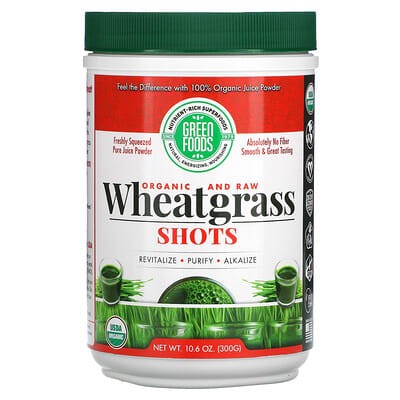
The single-source wheatgrass formula avoids filler-heavy active design. Chemical forms are not identified for vitamin K, folate, iron, potassium, or most other nutrients.
 Pure Formulas Pure Formulas | $ 15.42 | |
 Amazon Amazon | $ 18.00 | |
 Walmart Walmart | $ 22.40 | |
 Vitacost Vitacost | $ 17.09 | |
 iHerb iHerb | $ 18.58 |
The powder supplies 64 mg vitamin C, 164 mcg vitamin K, 152 mcg folate, 33 mg chlorophyll, and 2 grams of protein. Potassium, iron, magnesium, iodine, and manganese add modest supporting nutrition.
Many nutrient forms are not identified, and the mineral amounts are too small to replace dedicated potassium, magnesium, calcium, or iron products. Vitamin A is also unspecified, while the exact source and activity of the B12 entry cannot be verified from the supplied data.
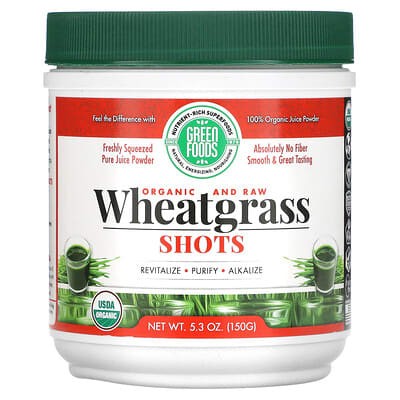
Thirty servings make the smaller package suitable for trying a wheatgrass routine without a long commitment. The strongest use is general whole-food supplementation, not targeted cardiovascular or bone support.
The single-source wheatgrass formula avoids filler-heavy active design. Chemical forms are not identified for vitamin K, folate, iron, potassium, or most other nutrients.
Every listed nutrient has an amount. Most nutrient names omit chemical forms, which limits evaluation.
Feedback volume is substantial enough to stabilize the aggregate signal. No complaint text is supplied, so repeated negative themes cannot be assessed.
No low-value active extras inflate the formula. A simple whole-food profile supports fair value despite low nutrient depth.
| Ingredient | Amount per serving |
|---|---|
Calories | 16 Calorie(s) |
Sodium | 12 mg |
Total Carbohydrates | 1 Gram(s) |
Protein | 2 Gram(s) |
Vitamin A | 1850 IU |
Vitamin C | 64 mg |
Vitamin K | 164 mcg |
Riboflavin | 0.4 mg |
Niacin | 0.6 mg |
Vitamin B6 | 0.1 mg |
Folate | 152 mcg |
Vitamin B12 | 0.3 mcg |
Calcium | 27 mg |
Iron | 3 mg |
Iodine | 14 mcg |
Manganese | 301 mcg |
Magnesium | 20 mg |
Potassium | 158 mg |
Chlorophyll | 33 mg |
The 33 mg chlorophyll serving meets the collection median but remains below the higher-potency range. Generic chlorophyll and the powder format leave stability, absorption, and exact botanical sourcing less certain. The active amount is economical, while 164 mcg of vitamin K may interfere with stable warfarin dosing if intake changes.
Missing chemical-form detail prevents a reliable assessment of iron absorption and digestive tolerance. The 3 mg amount is nutritional rather than therapeutic, even where absorption cofactors are strong. Serving value is weak if iron is the main reason for purchase.
The listed potassium amount provides a moderate contribution but does not reach the collection's typical effective range. The chemical source is not identified, so its absorption and metabolic role cannot be judged from the supplied label. Value is fair for the potassium delivered, even though the single listed amount reasonably appears to represent elemental potassium.
Published studies used for the product analysis and the top-ranked studies for each ingredient and goal.