Nutrient quality
The main electrolyte dose and dissolving format fit sports hydration. Weaker magnesium and undisclosed stimulant strength reduce formula quality.
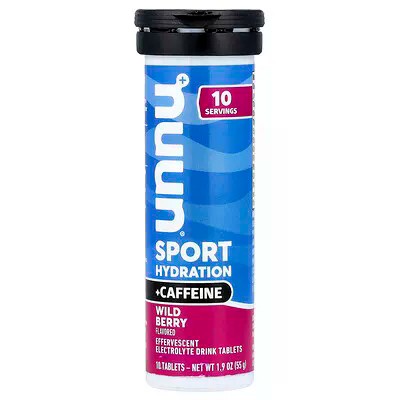
.
 iHerb iHerb | $ 5.99 | |
 Vitacost Vitacost | $ 6.23 |
Sodium at 300 mg and potassium at 150 mg create a reasonable electrolyte base for exercise. Chloride adds a smaller contribution, while magnesium and calcium are lightly dosed.
The 53 mg green tea extract is not standardized for catechins, EGCG, or caffeine. Stimulant exposure therefore cannot be predicted despite caffeine being part of the product positioning.
Effervescent tablets are convenient for hydration during training, but the container holds only ten servings. The formula fits exercise hydration better than targeted heart support.
The main electrolyte dose and dissolving format fit sports hydration. Weaker magnesium and undisclosed stimulant strength reduce formula quality.
.Most electrolyte salts and amounts are stated clearly. Caffeine, green-tea potency, full directions, and inactive ingredients remain undisclosed.
.The average customer rating is strong. The modest rating base provides limited confidence in the average, while specific review experiences were not supplied.
.The convenient hydration format and useful sodium amount provide fair value. Incomplete stimulant disclosure and modest secondary electrolytes limit category competitiveness.
.Potassium and hydration support may help cardiovascular function during exercise, but the potassium amount is modest relative to daily needs. Sodium substantially exceeds potassium in the serving.
Green tea lacks EGCG, catechin, and caffeine amounts, which prevents meaningful assessment of vascular benefit or stimulant exposure. The formula works better as a sports hydration tablet than as targeted heart support.
| Ingredient | Amount per serving |
|---|---|
Calories | 15 Calorie(s) |
Total Carbohydrates | 2 Gram(s) |
Total Sugars | 1 Gram(s) |
Calcium (Calcium Carbonate) | 13 mg |
Magnesium (Magnesium Oxide) | 25 mg |
Chloride (Potassium Chloride) | 40 mg |
Sodium (Sodium Bicarbonate, Sodium Carbonate) | 300 mg |
Potassium (Potassium Bicarbonate, Potassium Chloride) | 150 mg |
organic Green Tea extract | 53 mg |
The 300 mg sodium serving falls within the target range for athletic replenishment. Sodium bicarbonate supplies useful buffering, although the companion magnesium oxide is a weaker mineral form. Its low serving cost gives it strong value for this purpose. The caffeinated format may not suit evening use or people who are sensitive to stimulants.
Potassium bicarbonate and chloride combine alkalizing and electrolyte functions. The 150 mg amount is moderate but remains below the collection median, and the label does not fully separate compound weight from elemental yield. Relatively low serving cost and an electrolyte-focused format make the moderate amount reasonably useful.
Potassium chloride supplies a soluble functional salt with an additional useful cation, and the 40 mg amount provides only a low contribution to daily chloride intake. The effervescent tablet supports ready ionization, while the label clearly identifies both dose and source. Cost efficiency is good for the chloride delivered.
Published studies used for the product analysis and the top-ranked studies for each ingredient and goal.