
Nutrient quality
Whey isolate supplies a substantial, protein-focused serving with little carbohydrate or fat. Mineral compounds are not identified, so their form quality cannot be judged.
 Daily Vita Daily Vita | $ 52.76 | |
 Vitacost Vitacost | $ 58.05 | |
 Amazon Amazon | $ 52.76 | |
 iHerb iHerb | $ 52.76 | |
 Pure Formulas Pure Formulas | $ 31.16 |
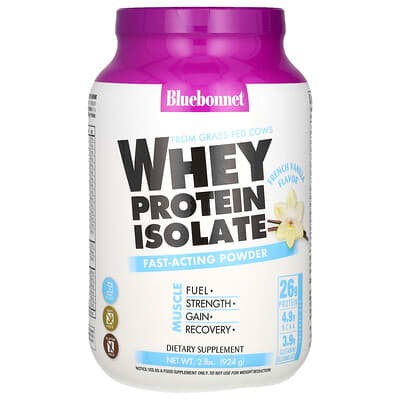
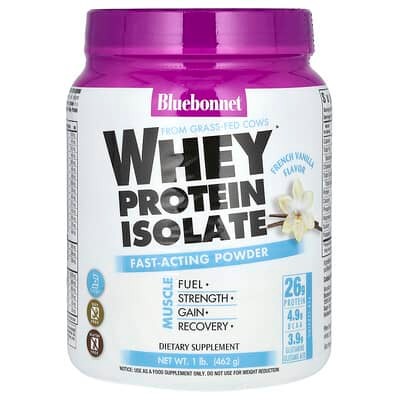
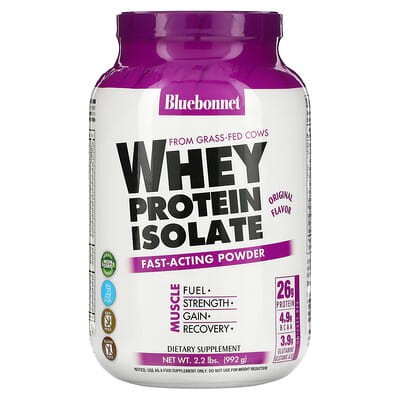
The one-scoop serving provides 26 g of whey protein isolate with 3 g of carbohydrate and 0.5 g of fat. That profile suits users who want substantial complete protein without much added macronutrient load.
Whey supplies 160 mg of potassium, 70 mg of phosphorus, and 130 mg of calcium. These are useful food-derived contributions but too small to justify choosing the powder as a potassium or phosphorus supplement.
The natural original format is intended for routine shakes or food mixing. The larger 32-serving package supports regular use. Heart-health value is indirect through nutrition and body-composition goals rather than a dedicated cardiovascular formula.
Whey isolate supplies a substantial, protein-focused serving with little carbohydrate or fat. Mineral compounds are not identified, so their form quality cannot be judged.
Principal nutrient amounts are stated clearly and no proprietary blend hides the protein serving. Complete use directions and a full other-ingredients list are not included in the supplied facts.
The supplied average rating is strong and the review volume is sufficient for a useful broad signal. No detailed comments are provided to assess repeated complaints or whether experiences match the intended use.
A substantial protein serving and favorable recurring cost support good practical value. Whey isolate quality helps justify the cost, though incomplete ingredient disclosure limits comparison.
| Ingredient | Amount per serving |
|---|---|
Calories | 125 Calorie(s) |
Total Fat | 0.5 Gram(s) |
Cholesterol | 15 mg |
Total Carbohydrates | 3 Gram(s) |
Protein | 26 Gram(s) |
Calcium (Whey) | 130 mg |
Phosphorus (Whey) | 70 mg |
Magnesium (Whey) | 20 mg |
Sodium (Whey) | 60 mg |
Potassium (Whey) | 160 mg |
The transparent 70 mg dose reaches only the lower supplemental range in a one-scoop serving. Whey is named as the source, but no standardized phosphorus compound is identified. Serving cost is moderately high for phosphorus, reflecting that protein is the formula's main purpose.
The 160 mg potassium amount provides moderate support within a protein-focused formula. Whey identifies the food source, but not the chemical potassium salt. The low serving cost partly offsets the amount being below the effective-dose benchmark.