Impact
Highest effect
Typical dose:500–1000 mg
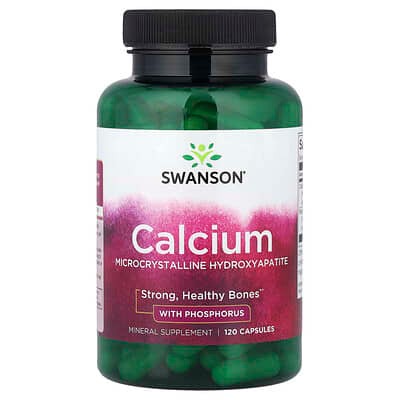
Phosphorus works with calcium to form the mineral structure of bone. Dietary deficiency is rare, and excess intake can disrupt calcium balance, so supplementation is generally less relevant than maintaining an adequate dietary intake.
- Focuses on
- Most relevant for
- Individuals with specific mineral absorption concerns or those at risk of deficiency due to restricted diets or medical conditions.
Potential benefits
- Bone Mineralization.Phosphorus is a fundamental structural component of bone, combining with calcium to form hydroxyapatite crystals that provide skeletal strength.
- Developmental Support.In specific populations like premature infants, maintaining adequate phosphorus intake is essential for preventing metabolic bone disease and supporting rapid skeletal growth.
- Restoring Mineral Balance.Supplemental phosphorus may help maintain bone integrity in individuals with rare phosphate-wasting conditions or severe malabsorption that leads to osteomalacia.
Limitations
- Calcium Dependency.The bone health effects of phosphorus are highly dependent on adequate calcium intake; an imbalanced ratio can trigger hormones that increase bone resorption.
- Inconsistent General Benefits.Research in healthy adults shows mixed results, with some studies finding no significant association between phosphorus intake and bone density or fracture risk.
- Limited Osteoporosis Advantage.Clinical trials indicate that phosphorus-containing supplements do not offer a clear bone-building advantage over other calcium forms for general osteoporosis management.
Things to consider
Excessive phosphorus intake, particularly from highly bioavailable food additives, can disrupt parathyroid hormone levels and may adversely affect bone health, especially in those with impaired kidney function.
Study evidence
44 studiesPhosphorus is essential for bone mineralization, but extra supplementation has not been shown to strengthen bones generally. Its effects depend on calcium intake, kidney function, and phosphorus status; both inadequate availability and excessive phosphorus exposure can be relevant to bone problems.
View goal