
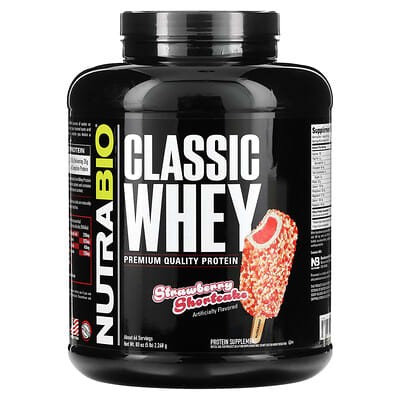
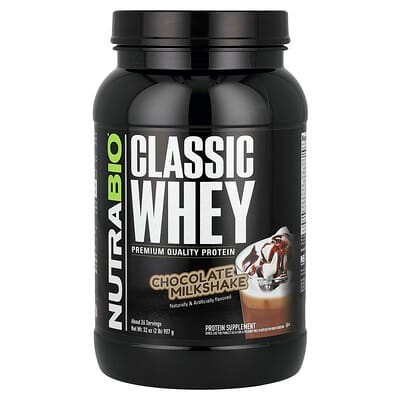
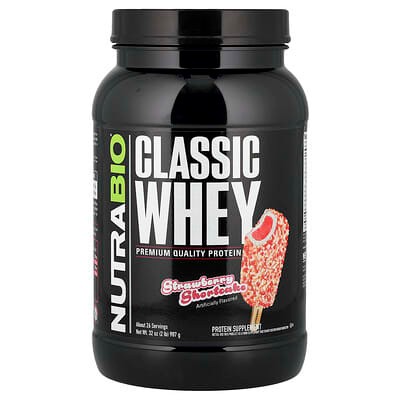
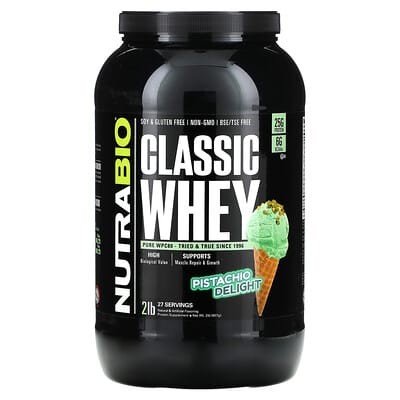
Nutrient quality
Whey concentrate provides a substantial amount of complete protein for routine supplementation. The unnamed mineral forms and cholesterol contribution limit broader nutritional quality.
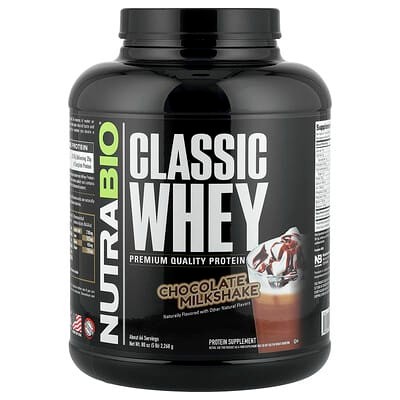
 iHerb iHerb | $ 99.99 | |
 Vitacost Vitacost | $ 99.99 | |
 Nutrition Faktory Nutrition Faktory | $ 79.99 |
The 25 g protein serving is well aligned with general nutrition, muscle maintenance, and exercise recovery. Fat and carbohydrate remain low enough for users who want most of the serving centered on protein.
Potassium is the most relevant heart-related mineral but remains far below a dedicated supplemental amount. Cholesterol and sodium need dietary context, while no ingredient directly addresses lipids, vascular tone, or cardiac energy.
Sunflower lecithin is disclosed as part of the whey system, which supports mixability. The product should be chosen for protein quality and flavor preference rather than for its listed heart-health goal.
Whey concentrate provides a substantial amount of complete protein for routine supplementation. The unnamed mineral forms and cholesterol contribution limit broader nutritional quality.
The whey source and main nutrition amounts are disclosed without a hidden protein blend. Mineral forms, mixing directions, and the full non-active ingredient list remain unclear.
The aggregate rating is favorable but the response base is modest. No review text is supplied, so repeated complaints and specific product experiences cannot be verified.
The substantial protein serving and straightforward formula support good practical value. Competitive ongoing cost strengthens the category position.
| Ingredient | Amount per serving |
|---|---|
Calories | 130 Calorie(s) |
Total Fat | 2 Gram(s) |
Cholesterol | 70 mg |
Total Carbohydrates | 2 Gram(s) |
Protein | 25 Gram(s) |
Calcium | 158 mg |
Phosphorus | 106 mg |
Magnesium | 24 mg |
Sodium | 115 mg |
Potassium | 190 mg |
Whey Protein concentrate (Sunflower Lecithin) | 32.47 Gram(s) |
The 115 mg sodium serving is too low for robust replacement during intense or prolonged exercise. The sodium source is not identified, which limits confidence in mineral quality. Its serving cost is competitive, although electrolyte quality still shapes practical value.
The label states an elemental phosphorus amount but does not name its source compound, leaving its bone relevance uncertain. The 106 mg serving sits in the targeted supplemental range and is delivered efficiently. Cost per serving is moderately above the collection benchmark, which limits value for phosphorus-focused use.
The serving contributes a moderate amount of potassium, but the food-derived chemical form is not identified. The dietary label likely reports elemental potassium without stating that explicitly. A somewhat lower cost helps, though the dose still falls below the collection median.
Published studies used for the product analysis and the top-ranked studies for each ingredient and goal.