Published studies used for the product analysis and the top-ranked studies for each ingredient and goal.
- The effects of the oral supplementation of L-Cystine associated with reduced L-Glutathione-GSH on human skin pigmentation: a randomized, double-blinded, benchmark- and placebo-controlled clinical trial.
Duperray J; Sergheraert R; Chalothorn K; Tachalerdmanee P; Perin F · Journal of cosmetic dermatology · 2022
Randomized trial124 participantsflagSkin Health forscienceGluthathione
- Skin-whitening and skin-condition-improving effects of topical oxidized glutathione: a double-blind and placebo-controlled clinical trial in healthy women.
Watanabe F; Hashizume E; Chan GP; Kamimura A · Clinical, cosmetic and investigational dermatology · 2014
Randomized trial30 participantsflagSkin Health forscienceGluthathione
- Systematic Review of the Efficacy and Safety of Topical Glutathione in Dermatology.
Khanna R; Rambhia P; Chapas A · The Journal of clinical and aesthetic dermatology · 2025
Systematic review5 studies pooledflagSkin Health forscienceGluthathione
- Effects of antioxidants on glutathione levels and clinical recovery from the malnutrition syndrome kwashiorkor--a pilot study.
Becker K; Pons-Kühnemann J; Fechner A; Funk M; Gromer S; Gross HJ; Grünert A; Schirmer RH · Redox report : communications in free radical research · 2006
Randomized trialflagSkin Health forscienceGluthathione
- Glutathione and its antiaging and antimelanogenic effects.
Weschawalit S; Thongthip S; Phutrakool P; Asawanonda P · Clinical, cosmetic and investigational dermatology · 2020
Randomized trial57 participantsflagSkin Health forscienceGluthathione
- Topical Polyphenon E in the treatment of external genital and perianal warts: a randomized controlled trial.
Stockfleth E; Beti H; Orasan R; Grigorian F; Mescheder A; Tawfik H; Thielert C · The British journal of dermatology · 2008
Randomized trial503 participantsflagSkin Health forscienceGreen Tea
- Efficacy, safety and tolerability of green tea catechins in the treatment of external anogenital warts: a systematic review and meta-analysis.
Tzellos TG; Sardeli C; Lallas A; Papazisis G; Chourdakis M; Kouvelas D · Journal of the European Academy of Dermatology and Venereology : JEADV · 2011
Meta-analysis1,247 participants3 studies pooledflagSkin Health forscienceGreen Tea
- Green Tea Catechin Association with Ultraviolet Radiation-Induced Erythema: A Systematic Review and Meta-Analysis.
Kapoor MP; Sugita M; Fukuzawa Y; Timm D; Ozeki M; Okubo T · Molecules (Basel, Switzerland) · 2021
Meta-analysis100 participants6 studies pooledflagSkin Health forscienceGreen Tea
- Green tea polyphenols provide photoprotection, increase microcirculation, and modulate skin properties of women.
Heinrich U; Moore CE; De Spirt S; Tronnier H; Stahl W · The Journal of nutrition · 2011
Randomized trial60 participantsflagSkin Health forscienceGreen Tea
- Efficacy of Epigallocatechin-3-Gallate in Preventing Dermatitis in Patients With Breast Cancer Receiving Postoperative Radiotherapy: A Double-Blind, Placebo-Controlled, Phase 2 Randomized Clinical Trial.
Zhao H; Zhu W; Zhao X; Li X; Zhou Z; Zheng M; Meng X; Kong L; Zhang S; He D; Xing L; Yu J · JAMA dermatology · 2022
Randomized trial180 participantsflagSkin Health forscienceGreen Tea
- Comparative clinical trial of bifonazole solution versus selenium sulphide shampoo in the treatment of pityriasis versicolor.
Chu AC · Dermatologica · 1985
Randomized trial38 participantsflagSkin Health forscienceSelenium
- Selenium supplementation and secondary prevention of nonmelanoma skin cancer in a randomized trial.
Duffield-Lillico AJ; Slate EH; Reid ME; Turnbull BW; Wilkins PA; Combs GF; Park HK; Gross EG; Graham GF; Stratton MS; Marshall JR; Clark LC; Nutritional Prevention of Cancer Study Group · Journal of the National Cancer Institute · 2003
Randomized trial1,312 participantsflagSkin Health forscienceSelenium
- Evidence-Based Nutritional Interventions in Wound Care.
Saeg F; Orazi R; Bowers GM; Janis JE · Plastic and reconstructive surgery · 2021
Systematic review2,339 participants36 studies pooledflagSkin Health forscienceSelenium flagSkin Health forscienceVitamin E
- A randomized, double-blind placebo-controlled trial evaluating the effects of vitamin E and selenium on arsenic-induced skin lesions in Bangladesh.
Verret WJ; Chen Y; Ahmed A; Islam T; Parvez F; Kibriya MG; Graziano JH; Ahsan H · Journal of occupational and environmental medicine · 2006
Randomized trial121 participantsflagSkin Health forscienceSelenium
- The Whitening, Moisturizing, Anti-aging Activities, and Skincare Evaluation of Selenium-Enriched Mung Bean Fermentation Broth.
Wei K; Guo C; Zhu J; Wei Y; Wu M; Huang X; Zhang M; Li J; Wang X; Wang Y; Wei X · Frontiers in nutrition · 2022
Clinical trial31 participantsflagSkin Health forscienceSelenium
- Evaluation of the anti-wrinkle effect of an ascorbic acid-loaded dissolving microneedle patch via a double-blind, placebo-controlled clinical study.
Lee C; Yang H; Kim S; Kim M; Kang H; Kim N; An S; Koh J; Jung H · International journal of cosmetic science · 2017
Randomized trial23 participantsflagSkin Health forscienceVitamin C
- Comparative Study on the Outcome of Periorbital Wrinkles Treated with Laser-Assisted Delivery of Vitamin C or Vitamin C Plus Growth Factors: A Randomized, Double-blind, Clinical Trial.
Machado BHB; Frame J; Zhang J; Najlah M · Aesthetic plastic surgery · 2021
Randomized trial149 participantsflagSkin Health forscienceVitamin C
- Randomized trial of topical ascorbic acid in DMSO versus imiquimod for the treatment of basal cell carcinoma.
Burke B; Bailie JE · Biomedicine & pharmacotherapy = Biomedecine & pharmacotherapie · 2022
Randomized trial25 participantsflagSkin Health forscienceVitamin C
- Vitamin C improves healing of foot ulcers: a randomised, double-blind, placebo-controlled trial.
Gunton JE; Girgis CM; Lau T; Vicaretti M; Begg L; Flood V · The British journal of nutrition · 2022
Randomized trial16 participantsflagSkin Health forscienceVitamin C
- Dietary nutrient intakes and skin-aging appearance among middle-aged American women.
Cosgrove MC; Franco OH; Granger SP; Murray PG; Mayes AE · The American journal of clinical nutrition · 2007
Cross-sectional study4,025 participantsflagSkin Health forscienceVitamin C
- Randomized controlled trial using vitamins E and D supplementation in atopic dermatitis.
Javanbakht MH; Keshavarz SA; Djalali M; Siassi F; Eshraghian MR; Firooz A; Seirafi H; Ehsani AH; Chamari M; Mirshafiey A · The Journal of dermatological treatment · 2011
Randomized trial45 participantsflagSkin Health forscienceVitamin E
- Serum vitamin E levels and chronic inflammatory skin diseases: A systematic review and meta-analysis.
Liu X; Yang G; Luo M; Lan Q; Shi X; Deng H; Wang N; Xu X; Zhang C · PloS one · 2022
Meta-analysis20 studies pooledflagSkin Health forscienceVitamin E
- Effects of tocotrienol on aging skin: A systematic review.
Ghazali NI; Mohd Rais RZ; Makpol S; Chin KY; Yap WN; Goon JA · Frontiers in pharmacology · 2022
Systematic reviewflagSkin Health forscienceVitamin E
- Carotenoids and carotenoids plus vitamin E protect against ultraviolet light-induced erythema in humans.
Stahl W; Heinrich U; Jungmann H; Sies H; Tronnier H · The American journal of clinical nutrition · 2000
Randomized trialflagSkin Health forscienceVitamin E
- Efficacy and safety of AZR-MD-001 selenium sulfide ophthalmic ointment in adults with meibomian gland dysfunction: A vehicle-controlled, randomized clinical trial.
Watson SL; Jones LW; Stapleton F; Hinds M; Ng A; Tan J; Alster Y; Bosworth C; Rafaeli O; DePuy V; CELESTIAL STUDY Group · The ocular surface · 2026
Randomized trial245 participantsflagVision Support forscienceSelenium
- The efficacy and safety of selenium supplementation versus placebo in the treatment of Graves' orbitopathy: A systematic review and meta-analysis of randomised controlled trials.
Sharabati I; Qafesha RM; Hindawi MD; Amro S; Ayesh BM · Clinical endocrinology · 2024
Meta-analysis4 studies pooledflagVision Support forscienceSelenium
- Efficacy and safety of AZR-MD-001 selenium sulfide ophthalmic ointment in adults with meibomian gland dysfunction over six months of treatment: A Phase 2, vehicle-controlled, randomized extension trial.
Downie LE; Craig JP; Stapleton F; Tan J; Jones LW; Ng A; Hinds M; Bosworth C; Alster Y · The ocular surface · 2025
Randomized trial245 participantsflagVision Support forscienceSelenium
- AZR-MD-001 0.5% selenium sulfide ophthalmic ointment for the treatment of contact lens discomfort: A vehicle-controlled, randomized, clinical trial.
Stapleton F; Hinds M; Tan J; Jones L; Chalmers R; Bosworth C; Alster Y · The ocular surface · 2025
Randomized trial67 participantsflagVision Support forscienceSelenium
- The effect of a biweekly novel selenium sulfide-containing topical treatment in symptomatic contact lens wearers: An exploratory study.
Stapleton F; Jia T; DePuy V; Bosworth C; Gleeson M; Tan J · The ocular surface · 2025
Randomized trial14 participantsflagVision Support forscienceSelenium
- A randomized trial of vitamin A and vitamin E supplementation for retinitis pigmentosa.
Berson EL; Rosner B; Sandberg MA; Hayes KC; Nicholson BW; Weigel-DiFranco C; Willett W · Archives of ophthalmology (Chicago, Ill. : 1960) · 1993
Randomized trial601 participantsflagVision Support forscienceVitamin A
- Efficacy and safety of retinol palmitate ophthalmic solution in the treatment of dry eye: a Japanese Phase II clinical trial.
Toshida H; Funaki T; Ono K; Tabuchi N; Watanabe S; Seki T; Otake H; Kato T; Ebihara N; Murakami A · Drug design, development and therapy · 2018
Randomized trial66 participantsflagVision Support forscienceVitamin A
- Vitamin A supplementation for preventing morbidity and mortality in children from six months to five years of age.
Imdad A; Mayo-Wilson E; Haykal MR; Regan A; Sidhu J; Smith A; Bhutta ZA · The Cochrane database of systematic reviews · 2022
Meta-analysis1,223,856 participants47 studies pooledflagVision Support forscienceVitamin A
- Vitamin A supplementation improves retinal function in infants at risk of retinopathy of prematurity.
Mactier H; McCulloch DL; Hamilton R; Galloway P; Bradnam MS; Young D; Lavy T; Farrell L; Weaver LT · The Journal of pediatrics · 2012
Randomized trial89 participantsflagVision Support forscienceVitamin A
- Effect of short-term, high-dose retinol on dark adaptation in aging and early age-related maculopathy.
Owsley C; McGwin G; Jackson GR; Heimburger DC; Piyathilake CJ; Klein R; White MF; Kallies K · Investigative ophthalmology & visual science · 2006
Randomized trial104 participantsflagVision Support forscienceVitamin A
- Antioxidant vitamin and mineral supplements for preventing age-related macular degeneration.
Evans JR; Lawrenson JG · The Cochrane database of systematic reviews · 2018
Meta-analysis55,614 participants4 studies pooledflagVision Support forscienceVitamin E
- Dietary n-3 Fatty Acid, α-Tocopherol, Zinc, vitamin D, vitamin C, and β-carotene are Associated with Age-Related Macular Degeneration in Japan.
Aoki A; Inoue M; Nguyen E; Obata R; Kadonosono K; Shinkai S; Hashimoto H; Sasaki S; Yanagi Y · Scientific reports · 2017
Case-control study530 participantsflagVision Support forscienceVitamin E
- Dietary carotenoids, vitamins C and E, and risk of cataract in women: a prospective study.
Christen WG; Liu S; Glynn RJ; Gaziano JM; Buring JE · Archives of ophthalmology (Chicago, Ill. : 1960) · 2008
Cohort study35,551 participantsflagVision Support forscienceVitamin E
- Long-term nutrient intake and 5-year change in nuclear lens opacities.
Jacques PF; Taylor A; Moeller S; Hankinson SE; Rogers G; Tung W; Ludovico J; Willett WC; Chylack LT · Archives of ophthalmology (Chicago, Ill. : 1960) · 2005
Cohort study408 participantsflagVision Support forscienceVitamin E
- Dietary intake of antioxidants and risk of age-related macular degeneration.
van Leeuwen R; Boekhoorn S; Vingerling JR; Witteman JC; Klaver CC; Hofman A; de Jong PT · JAMA · 2005
Cohort study4,765 participantsflagVision Support forscienceVitamin E

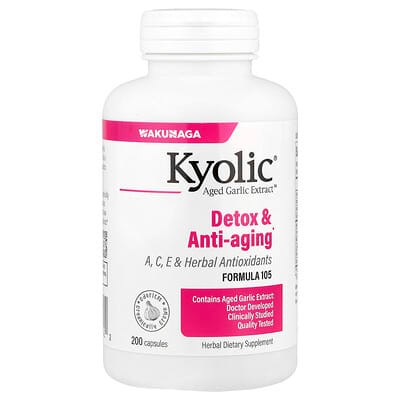
 iHerb
iHerb Vitacost
 Amazon