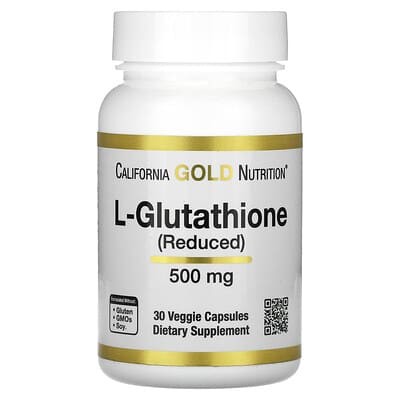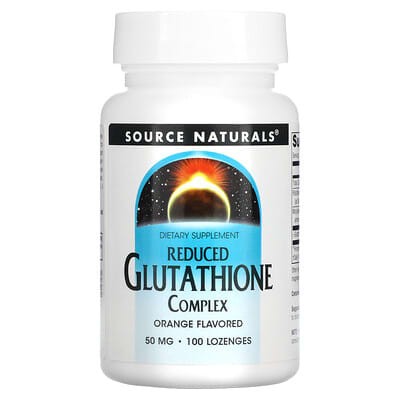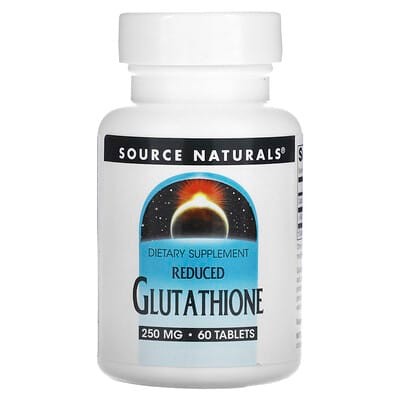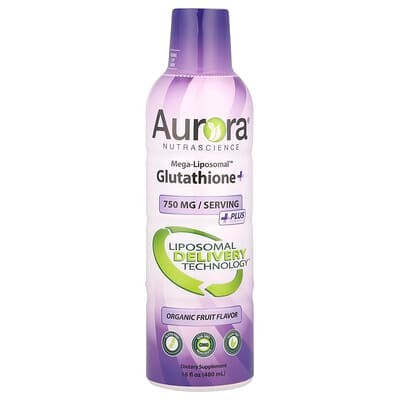
Gluthathione

Description

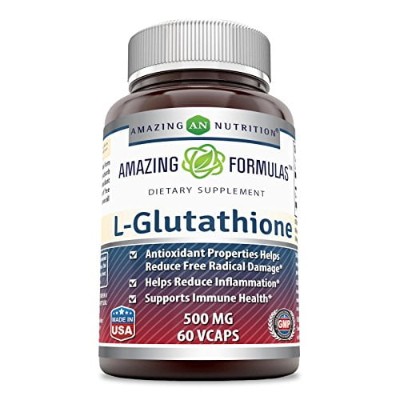
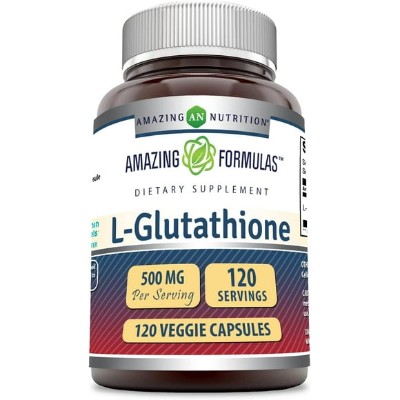
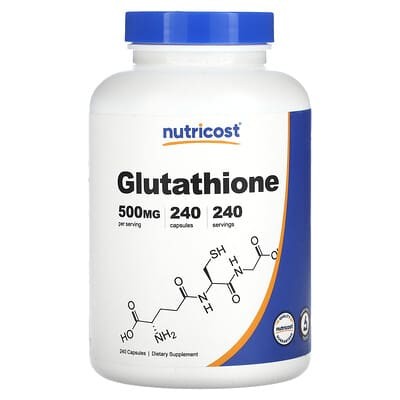
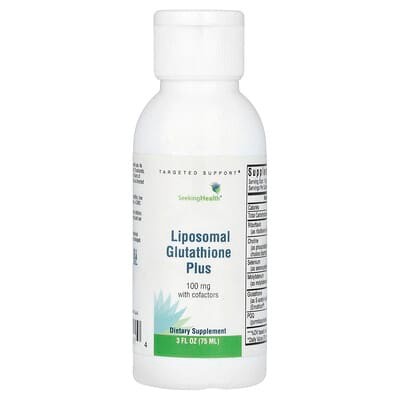
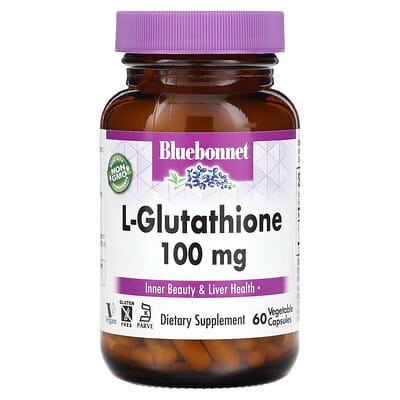
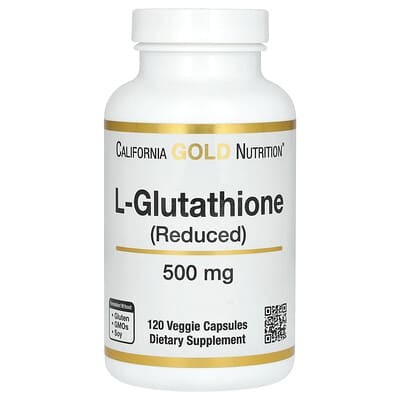
Glutathione is a tripeptide composed of three amino acids: cysteine, glycine, and glutamic acid. It exists in two forms: reduced (GSH), which is active and capable of neutralizing free radicals, and oxidized (GSSG), which occurs after it has performed its antioxidant function. Maintaining a healthy balance of GSH to GSSG is vital for cellular health. This essential molecule is integral to numerous biological processes, including DNA synthesis and repair, protein synthesis, enzyme activation, and regulating cell growth and death. Its primary role in detoxification pathways makes it critical for neutralizing toxins, heavy metals, and carcinogens in the liver and other organs. Beyond its direct antioxidant activity, glutathione supports the immune system by influencing immune cell function and acts as a key component of the body's natural defense against oxidative stress and inflammation. Supplementation is often used to support overall health, liver function, and antioxidant status.

Sources
AsparagusAvocadosSpinachBroccoliBrussels sproutsGarlicOnions
Optimal Dosage
Minimum50 mg
Maximum200 mg
Safety & Toxicity
Toxicity Threshold1000 mg
Toxicity EffectLiver toxicity, kidney damage
Goals
Skin Health
Skin Health
Impact
High effect
Typical dose:500–1000 mg
As the body's master antioxidant, glutathione protects skin cells from oxidative damage caused by UV radiation and pollutants. It also plays a role in detoxification pathways and may influence melanin synthesis by inhibiting the tyrosinase enzyme, potentially leading to a brighter, more even skin tone. Oral bioavailability can be a concern, with S-acetyl or liposomal forms often preferred.
View goal ->
Anti-Aging
Anti-Aging
Impact
Lower effect
Typical dose:250–1000 mg
Standard oral glutathione is broken down by digestive enzymes into its constituent amino acids before it can be absorbed, preventing it from raising cellular glutathione levels effectively. For direct supplementation, specialized forms like S-Acetyl-Glutathione or Liposomal Glutathione are necessary for absorption. A more efficient and cost-effective strategy is to supplement with precursors like N-Acetylcysteine (NAC) and Glycine, which the body can use to synthesize its own glutathione.
View goal ->
General Health
General Health
Impact
Lower effect
Typical dose:250–500 mg
Glutathione is vital for detoxification and neutralizing free radicals. However, when taken orally, standard glutathione is largely broken down in the digestive system before it can be absorbed effectively. For raising systemic levels, liposomal forms offer modest improvement, but precursor supplements like N-acetylcysteine (NAC) are generally considered more reliable and cost-effective.
View goal ->
Price per product
Average$28.17
Median$25.79
Price per serving
Average$0.56
Median$0.40
Price distribution
Price per serving distribution
Price per
Paired ingredients