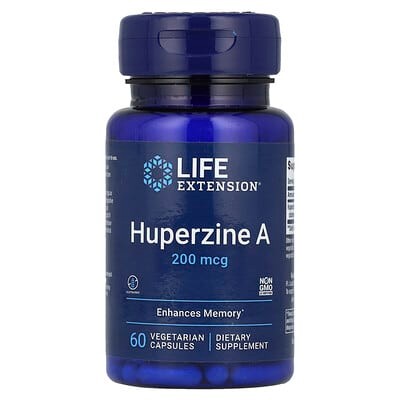
Huperzine A is an acetylcholinesterase inhibitor, meaning it stops the enzyme that breaks down acetylcholine, a key neurotransmitter for memory. This produces a noticeable, acute boost in cognitive function. Due to its potency and mechanism, it requires cycling and is not a foundational supplement.
- Focuses on
- Most relevant for
- Individuals seeking to manage cognitive symptoms related to Alzheimer disease or vascular dementia.
Potential benefits
- Alzheimer Cognitive Support.Meta-analyses and clinical trials show significant improvements in standardized cognitive and memory test scores for individuals with mild-to-moderate Alzheimer disease.
- Daily Functioning Support.Evidence suggests potential for maintaining the ability to perform activities of daily living and improving behavioral mood in patients with neurocognitive disorders.
- Vascular Dementia Support.Unconfirmed. Some studies indicate cognitive benefits for patients with vascular-related dementia, though broader reviews suggest this evidence is not yet well-established.
Limitations
- No Benefit for Healthy Adults.Controlled trials in healthy, exercise-trained individuals found no cognitive or memory improvements following acute ingestion.
- Ineffective for TBI.Research indicates that huperzine A does not improve memory or learning performance in patients recovering from moderate-to-severe traumatic brain injury.
- Low Methodological Quality.Systematic reviews highlight that many supportive studies suffer from low quality, high heterogeneity, or small sample sizes, limiting overall confidence in the results.
Things to consider
Potential mild side effects include insomnia and ankle swelling. Due to its potency as an acetylcholinesterase inhibitor, it is typically used in cycles rather than as a foundational daily supplement.
Study evidence
17 studiesHuperzine A may improve cognitive symptoms and daily functioning in people with Alzheimer disease, but the evidence is limited by study quality. The supplied research does not establish broader brain protection, prevention of dementia, or cognitive benefits in healthy adults.