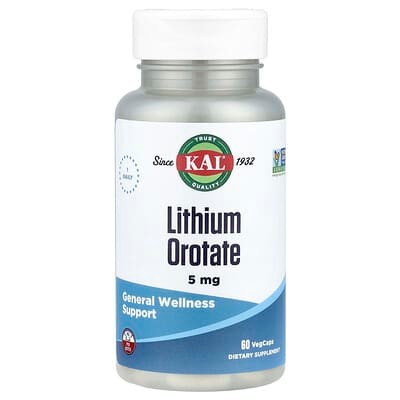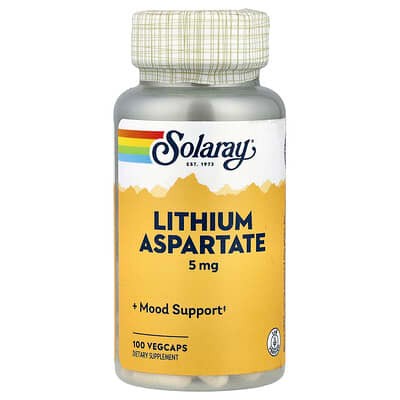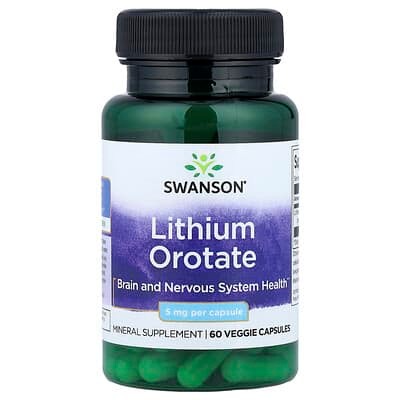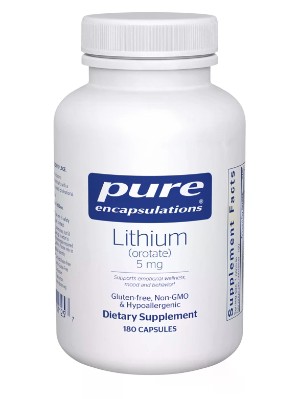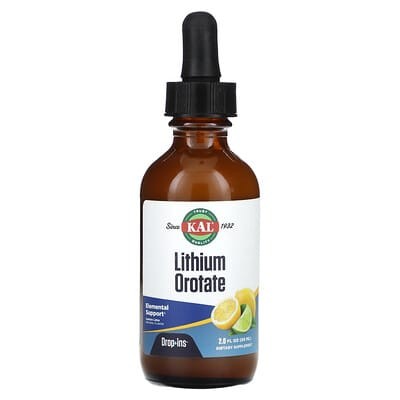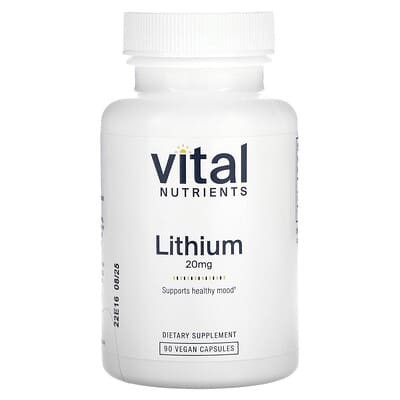
Lithium

mineral

Lithium, when provided as a trace mineral, is distinct from pharmaceutical lithium carbonate, which is used at much higher dosages. In its nutritional form, it is thought to support several physiological processes in the brain, with research suggesting it may influence neurotransmitter activity, the formation of new brain cells (neurogenesis), and cellular signaling pathways. It is hypothesized to contribute to healthy mood regulation and support overall cognitive well-being. While the exact mechanisms at trace levels continue to be investigated, its presence is considered important for maintaining optimal brain function and resilience.

Natural sources
GrainsVegetables (e.g., potatoes, tomatoes, cabbage)Drinking water (levels vary significantly by region)Dairy productsMeat

Ingredient forms

No public comparison lists found.

Timing & Intake
AnytimeWith food
Consuming trace minerals with food may help prevent potential stomach upset and support absorption.
Optimal Dosage
Minimum1 mg
Maximum5 mg
Safety & Toxicity
Toxicity Threshold100 mg
Toxicity EffectNeurological effects, tremors
4 safety notes
  • Do not confuse trace mineral lithium supplements with prescription lithium medications (e.g., lithium carbonate). They are used for different purposes and at vastly different dosages.
  • Individuals with kidney disease, heart conditions, or thyroid disorders should consult a healthcare professional before taking any lithium supplement.
  • Pregnant or nursing individuals should avoid lithium supplements unless specifically advised by a doctor.
  • If you are currently taking prescription medications, especially for mood disorders, consult your doctor before using lithium supplements, as interactions can occur even at lower doses.
Goals
Mood Support
Impact
Moderate effect
Typical dose:1–10 mg

Low-dose lithium orotate supports the transport of B12 and folate into brain cells and may upregulate neuroprotective factors like BDNF. It is used to promote a sense of calm and emotional balance without the side effects of prescription doses.

Focuses on
Mood ChemistryBrain Nutrients
Most relevant for
Individuals with diagnosed bipolar disorder requiring medically supervised maintenance therapy to prevent manic mood episodes.

Potential benefits

  • Prevention of Manic Relapse.Prescription-strength lithium is well-established as a primary treatment to significantly reduce the frequency and severity of manic and mixed mood episodes.
  • Long-Term Mood Maintenance.Extensive clinical evidence confirms that maintaining therapeutic levels of lithium provides robust protection against the recurrence of psychiatric mood episodes over time.
  • Calm and Emotional Balance.Unconfirmed. Contextual claims suggest low-dose lithium promotes emotional balance, but this specific goal benefit is unproven as clinical research focuses on high-dose medical management.

Limitations

  • Inconsistent Depressive Support.Lithium shows mixed effectiveness for acute bipolar depression and is often less robust than other treatments for augmenting treatment-resistant depression.
  • High Side Effect Burden.Many users experience adverse effects including hand tremors, excessive thirst, and thyroid dysfunction, which frequently lead to treatment discontinuation in clinical trials.
  • Lack of Supplemental Evidence.Research on lithium in drinking water has failed to confirm benefits for general happiness, suggesting that trace or supplemental levels may not replicate clinical results.
Things to consider

Requires regular medical supervision and blood testing to avoid toxicity. Known to cause tremors, thirst, and thyroid changes. Carries a risk of cardiac malformations if used during pregnancy.

Study evidence

197 studies

Lithium has strong evidence as a prescription treatment for stabilizing mood in bipolar disorder, especially preventing manic relapse. This medical evidence does not establish benefits from lithium supplements for everyday mood, and treatment carries important tolerability and safety concerns.

View goal
Studies

Research connections will load here.
Sources

Up to five highest-ranked published examples per goal. Study counts and charts include all published studies for the connection.

  1. Canadian Network for Mood and Anxiety Treatments (CANMAT) and International Society for Bipolar Disorders (ISBD) 2018 guidelines for the management of patients with bipolar disorder.
    Yatham LN; Kennedy SH; Parikh SV; Schaffer A; Bond DJ; Frey BN; Sharma V; Goldstein BI; Rej S; Beaulieu S; Alda M; MacQueen G; Milev RV; Ravindran A; O'Donovan C; McIntosh D; Lam RW; Vazquez G; Kapczinski F; McIntyre RS; Kozicky J; Kanba S; Lafer B; Suppes T; Calabrese JR; Vieta E; Malhi G; Post RM; Berk M · Bipolar disorders · 2019
    Guideline / consensusMood Support
  2. GERI-BD: A Randomized Double-Blind Controlled Trial of Lithium and Divalproex in the Treatment of Mania in Older Patients With Bipolar Disorder.
    Young RC; Mulsant BH; Sajatovic M; Gildengers AG; Gyulai L; Al Jurdi RK; Beyer J; Evans J; Banerjee S; Greenberg R; Marino P; Kunik ME; Chen P; Barrett M; Schulberg HC; Bruce ML; Reynolds CF; Alexopoulos GS; GERI-BD Study Group · The American journal of psychiatry · 2017
    Randomized trial224 participantsMood Support
  3. A placebo-controlled 18-month trial of lamotrigine and lithium maintenance treatment in recently manic or hypomanic patients with bipolar I disorder.
    Bowden CL; Calabrese JR; Sachs G; Yatham LN; Asghar SA; Hompland M; Montgomery P; Earl N; Smoot TM; DeVeaugh-Geiss J; Lamictal 606 Study Group · Archives of general psychiatry · 2003
    Randomized trial175 participantsMood Support
  4. Mood stabilizers and/or antipsychotics for bipolar disorder in the maintenance phase: a systematic review and network meta-analysis of randomized controlled trials.
    Kishi T; Ikuta T; Matsuda Y; Sakuma K; Okuya M; Mishima K; Iwata N · Molecular psychiatry · 2022
    Meta-analysis9,821 participants41 studies pooledMood Support
  5. A pooled analysis of 2 placebo-controlled 18-month trials of lamotrigine and lithium maintenance in bipolar I disorder.
    Goodwin GM; Bowden CL; Calabrese JR; Grunze H; Kasper S; White R; Greene P; Leadbetter R · The Journal of clinical psychiatry · 2004
    Meta-analysis638 participants2 studies pooledMood Support