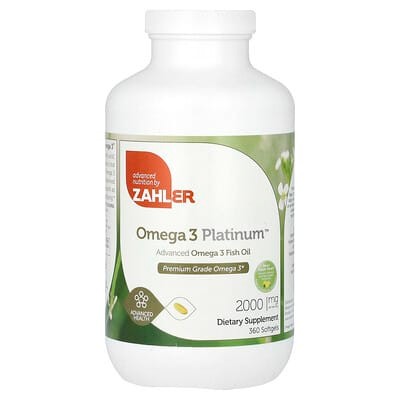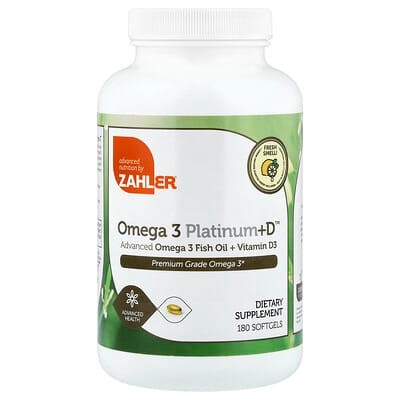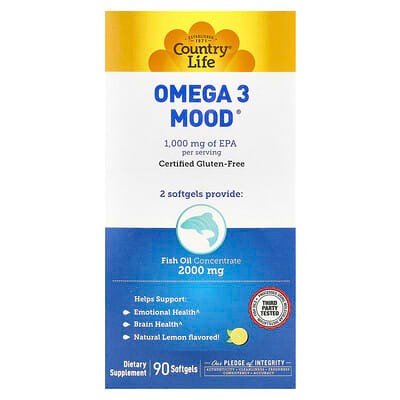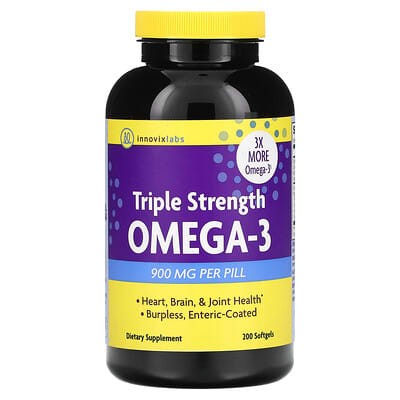
Impact
Highest effect
Typical dose:250–1500 mg
While DHA is structural, EPA plays a vital role in regulating inflammation within the brain, which is a key factor in cognitive aging and mood disorders. It also helps produce signaling molecules that support overall brain function.
- Focuses on
- Most relevant for
- Adults seeking to support cognitive processing speed and mental efficiency through omega-3 fatty acids.
Potential benefits
- Cognitive Task Efficiency.Clinical research in healthy young adults suggests that EPA-rich oil supplementation can improve both the speed and accuracy of global cognitive performance.
- Psychomotor Speed Support.Observational studies link higher EPA intake to better psychomotor speed, particularly in middle-aged and older adults.
- Memory and Brain Structure.Higher EPA levels are associated with better delayed recall performance and favorable structural brain markers, such as hippocampal volume, in middle-aged populations.
Limitations
- Inconsistent Trial Results.Supplementation has failed to show significant cognitive benefits in clinical trials involving children with ADHD, patients with schizophrenia, or adults with cardiovascular disease.
- Unproven for Dementia.Current evidence does not establish that taking EPA supplements can reliably prevent dementia or improve overall cognitive performance in populations with existing impairment.
- Isolating EPA Effects.Because EPA is frequently studied alongside DHA or as part of fish consumption, its specific independent contribution to cognitive health is difficult to determine.
Study evidence
24 studiesEPA-rich omega-3 oil has shown some cognitive benefits, but the overall evidence is mixed and often combines EPA with DHA. Higher dietary intake or blood levels are associated with better cognition in some studies, without proving that EPA supplements prevent cognitive decline.
View goal