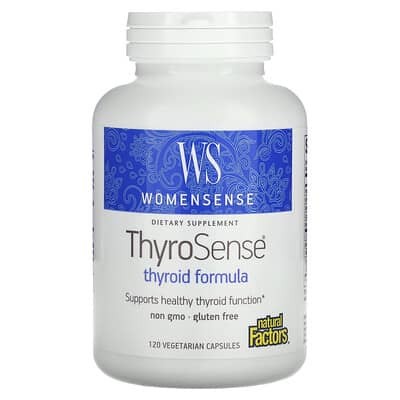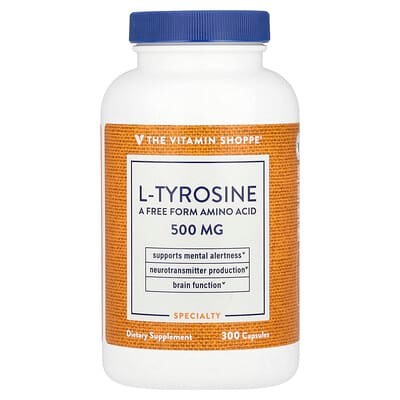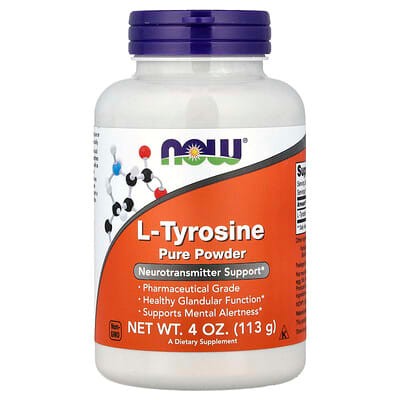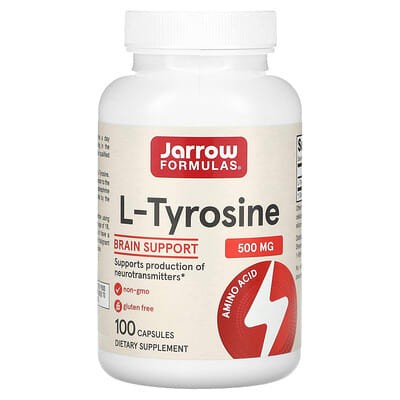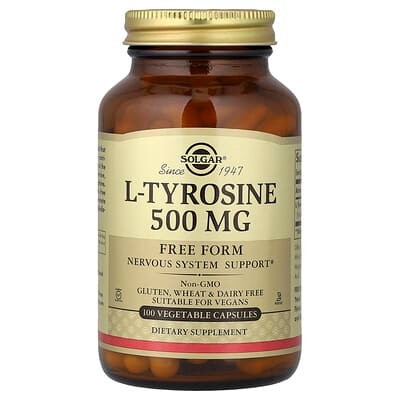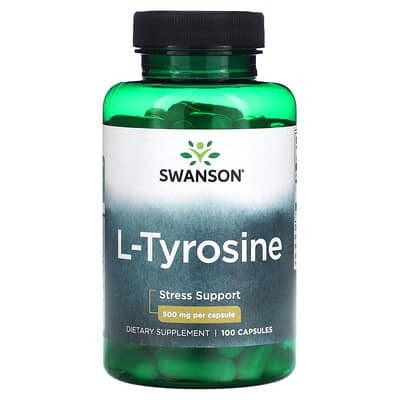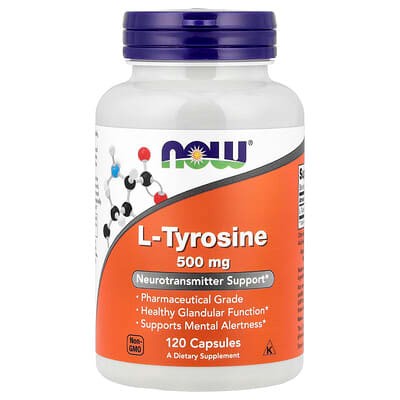
Tyrosine

Description

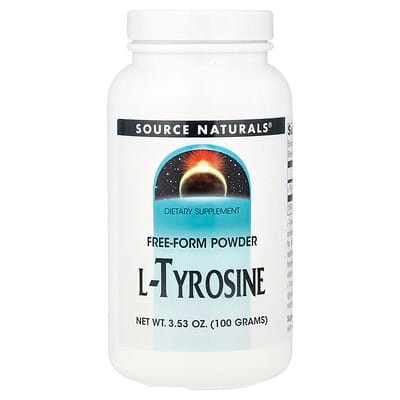
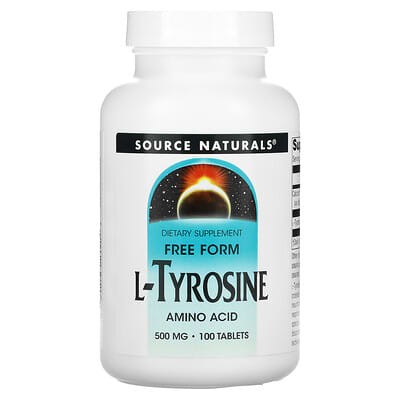
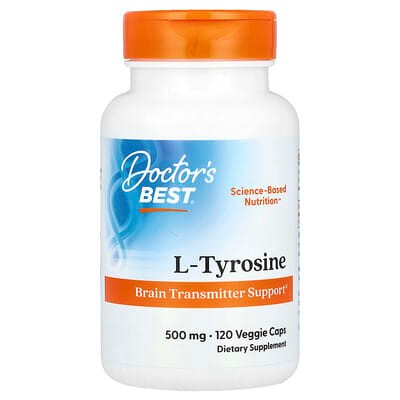
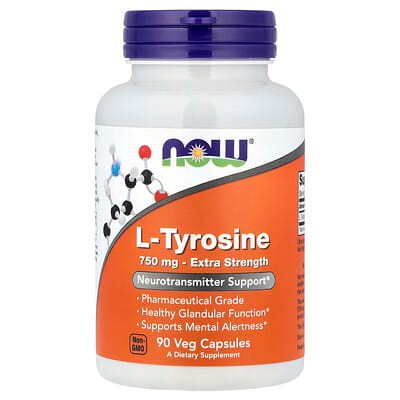
Tyrosine is a non-essential amino acid, meaning the body can synthesize it, primarily from another amino acid, Phenylalanine. It is a fundamental building block of proteins and serves as a precursor for several important substances in the body, particularly neurotransmitters and hormones. Its primary role is in the synthesis of catecholamines (dopamine, norepinephrine, and epinephrine), which are crucial for brain function, mood regulation, stress response, and alertness. Tyrosine is also involved in the production of thyroid hormones and melanin, the pigment responsible for skin, hair, and eye color. As a supplement, L-Tyrosine is often used to support cognitive function, particularly during stressful conditions, improve mood, and enhance physical performance by aiding in the body's ability to cope with stress and maintain neurotransmitter balance.

Sources
Dairy products (milk, cheese)Meat (chicken, turkey, beef, pork)FishEggsNuts (almonds, peanuts)Seeds (sesame, pumpkin)Soy productsWhole grainsBeans
Cheapest Tyrosine supplements
Discover and compare the cheapest Tyrosine supplements available to support your brain health needs efficiently.
Best Tyrosine supplements
Explore our top picks for Tyrosine supplements, expertly chosen to support optimal brain health and cognitive function.
Value Tyrosine Supplements
Discover the top value Tyrosine supplements to support your brain health and cognitive function, helping you make an informed choice for your wellness needs.
Optimal Dosage
Minimum500 mg
Maximum2000 mg
Safety & Toxicity
Interactions
Price per product
Average$24.11
Median$19.98
Price per serving
Average$0.67
Median$0.62
Price per 100 mg
Average$0.31
Median$0.13
Price distribution
Price per serving distribution
Price per 100 mg
Reference amount: 100 mg
Forms
Paired ingredients
L-Tyrosine (3)85
It serves as a direct precursor to several important neurotransmitters, including dopamine, norepinephrine (noradrenaline), and epinephrine (adrenaline), collectively known as catecholamines. These neurotransmitters play critical roles in mood, stress response, cognitive function, and alertness. Supplementation is often used to support cognitive performance, especially under conditions of stress, fatigue, or sleep deprivation, by helping to maintain neurotransmitter levels.
Pros
  • Well-researched and widely available form.
  • Directly utilized by the body for neurotransmitter synthesis.
  • Supports cognitive function, mood, and stress response.
Cons
  • Can compete with other large neutral amino acids for transport across the blood-brain barrier.
  • Potential for mild side effects like headache or digestive upset in sensitive individuals.
Per product
Avg$14.59
Med$14.59
Per serving
Avg$0.10
Med$0.10
Per 100 mg
Avg$0.02
Med$0.02
Price distribution
L-Tyrosine Hydrochloride (1)85
It serves as a direct precursor to several important neurotransmitters, including dopamine, norepinephrine (noradrenaline), and epinephrine (adrenaline), collectively known as catecholamines. These neurotransmitters play critical roles in mood, stress response, cognitive function, and alertness. Supplementation is often used to support cognitive performance, especially under conditions of stress, fatigue, or sleep deprivation, by helping to maintain neurotransmitter levels.
Pros
  • Well-researched and widely available form.
  • Directly utilized by the body for neurotransmitter synthesis.
  • Supports cognitive function, mood, and stress response.
Cons
  • Can compete with other large neutral amino acids for transport across the blood-brain barrier.
  • Potential for mild side effects like headache or digestive upset in sensitive individuals.
Per product
Avg$12.60
Med$12.60
Per serving
Avg$0.31
Med$0.31
Per 100 mg
Avg$0.21
Med$0.21
Price distribution
N-Acetyl-L-Tyrosine (1)70
NALT is a modified form of L-Tyrosine that is more water-soluble. It is theorized to offer better absorption and bioavailability compared to L-Tyrosine. However, research on its conversion efficiency back to L-Tyrosine in the body is mixed, with some studies suggesting it may be less efficient than direct L-Tyrosine supplementation for raising plasma tyrosine levels. It aims to support the same cognitive and mood-related functions as L-Tyrosine.
Pros
  • Increased water solubility compared to L-Tyrosine.
  • Easier to incorporate into liquid formulations.
Cons
  • Evidence for superior bioavailability or efficacy over L-Tyrosine is inconsistent and debated.
  • Some research suggests it may be less efficiently converted to L-Tyrosine than direct L-Tyrosine supplementation.
  • Typically more expensive than L-Tyrosine.
Per product
Avg$16.79
Med$16.79
Per serving
Avg$0.55
Med$0.55
Per 100 mg
Avg$0.11
Med$0.11
Price distribution