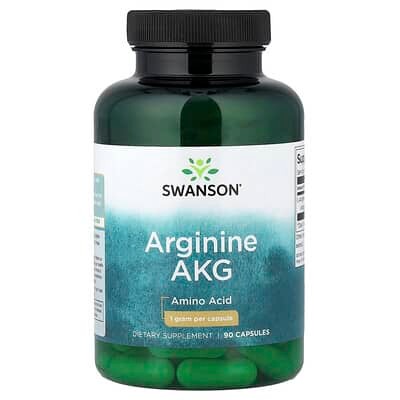
Arginine Alpha Ketoglutarate

non-nutrient_non-botanical

Arginine Alpha Ketoglutarate (AAKG) is a complex involving the amino acid L-arginine and alpha-ketoglutarate, an intermediate in the Krebs cycle used for cellular energy production. This combination may enhance the bioavailability and effectiveness of L-arginine, which serves as a precursor to nitric oxide. Nitric oxide is essential for vasodilation, which improves blood flow and the delivery of nutrients to muscles. Athletes frequently use AAKG to support exercise performance, muscle pump, and recovery. The increased blood flow facilitated by nitric oxide may lead to improved oxygen and nutrient transport to active muscles, potentially supporting endurance and helping to reduce fatigue. Alpha-ketoglutarate also contributes to amino acid metabolism and energy production, which is relevant in athletic contexts. Beyond physical performance, L-arginine and AAKG may support cardiovascular health by helping to maintain endothelial function and healthy blood pressure levels already within a normal range. It is also involved in immune function and the natural process of wound healing. Furthermore, the alpha-ketoglutarate component plays a role in ammonia detoxification and the synthesis of other amino acids.

Natural sources
Arginine (a component of AAKG) is found in red meat, poultry, fish, dairy products, nuts, seeds, and legumes.Alpha-ketoglutarate (a component of AAKG) is produced naturally in the body as an intermediate in the Krebs cycle and is present in some fermented foods. AAKG itself is a synthesized compound.

No public comparison lists found.

Optimal Dosage
Minimum2000 Gram(s)
Maximum6000 Gram(s)
Safety & Toxicity
Toxicity Threshold12000 Gram(s)
Toxicity EffectDiarrhea, stomach pain, bloating
5 safety notes
  • Individuals with pre-existing heart conditions, low blood pressure, or who are taking medications for blood pressure should consult a healthcare professional before use.
  • May interact with certain medications, including those for blood pressure and blood thinners.
  • Pregnant or nursing women, and children, should avoid use due to insufficient research.
  • Discontinue use if adverse reactions occur.
  • Do not exceed recommended dosages.
Goals
Energy
Impact
Situational effect
Typical dose:1500–3000 mg
The arginine component increases nitric oxide, improving circulation and nutrient delivery to muscles. The AKG component is an intermediate in the Krebs cycle. This combination is most relevant for reducing fatigue during physical exertion, rather than for general daily energy.

Study evidence

1 study

Arginine Alpha Ketoglutarate has limited evidence for improving strength and brief exercise power in trained men. These results do not establish higher everyday energy, and the supplied research found no clear benefit for aerobic capacity or muscle endurance.

View goal
Studies

Research connections will load here.
Sources

Up to five highest-ranked published examples per goal. Study counts and charts include all published studies for the connection.

  1. Pharmacokinetics, safety, and effects on exercise performance of L-arginine alpha-ketoglutarate in trained adult men
    Bill Campbell, Mike Roberts, Chad Kerksick, Colin Wilborn, Brandon Marcello, Lem Taylor, Erika Nassar, Brian Leutholtz, Rodney Bowden, Chris Rasmussen, Mike Greenwood, Richard Kreider · Nutrition · 2006
    Randomized trial35 participantsEnergy