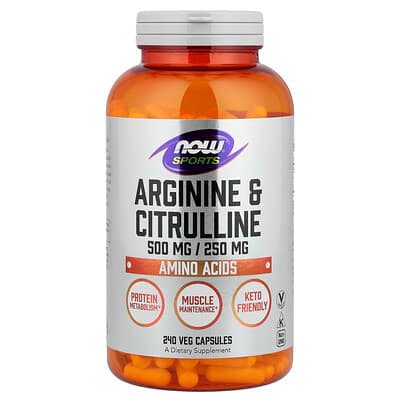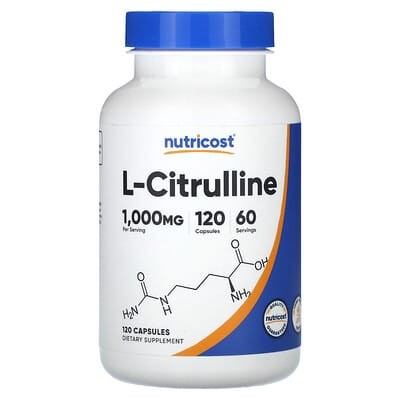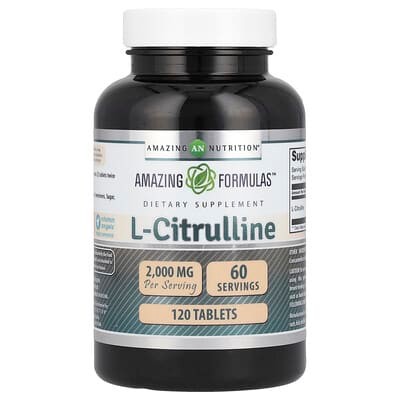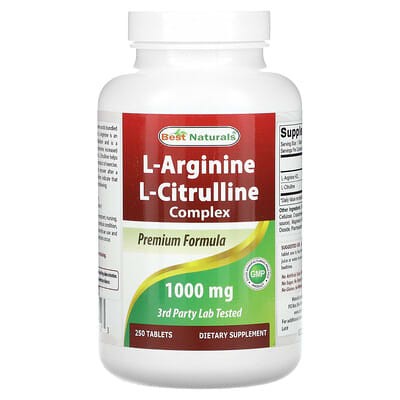
Impact
High effect
Typical dose:1500–6000 mg
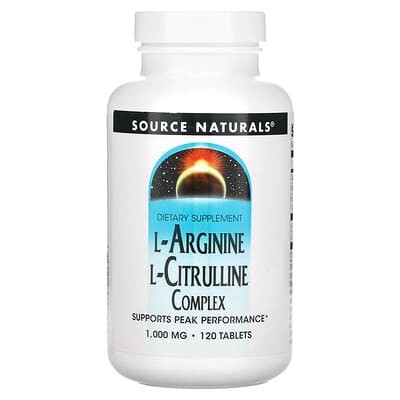
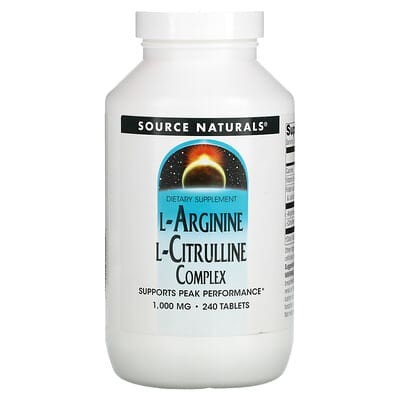
L-citrulline increases arginine availability and nitric oxide production. These effects support blood flow, endothelial function, and blood pressure regulation.
- Focuses on
- Most relevant for
- Middle-aged and older adults, particularly postmenopausal women, looking to maintain healthy blood pressure and arterial flexibility.
Potential benefits
- Blood Pressure Reduction.Pooled research indicates modest improvements in systolic and diastolic blood pressure, particularly in hypertensive populations.
- Improved Vessel Dilation.It supports nitric oxide synthesis, which may enhance the ability of blood vessels to widen and improve overall blood flow.
- Vascular Flexibility.Supplementation has been shown in some trials to reduce arterial stiffness, a marker of cardiovascular health, when used consistently.
Limitations
- Variable Effectiveness.Improvements in vascular function are inconsistent across different groups; for example, some studies found blood flow benefits in older men but not older women.
- Focus on Markers.Most evidence relates to surrogate measures like blood pressure or artery diameter rather than long-term prevention of major cardiovascular events.
- Requirement for Stress.Certain blood pressure and flow benefits appear more pronounced during exercise or physical stress rather than during normal resting states.
Things to consider
Avoid use during pregnancy as clinical trials in preeclampsia found no benefit and reported potential increases in systolic blood pressure and liver enzymes. Observational studies have associated naturally high blood citrulline levels with increased cardiovascular risk.
Study evidence
33 studiesCitrulline may modestly improve blood pressure and blood-vessel function in some adults, but findings vary and prevention of cardiovascular disease is unproven. Benefits do not extend to every setting: research in preeclampsia found no clinical benefit and raised specific safety concerns.
View goal