Isoleucine

amino acid

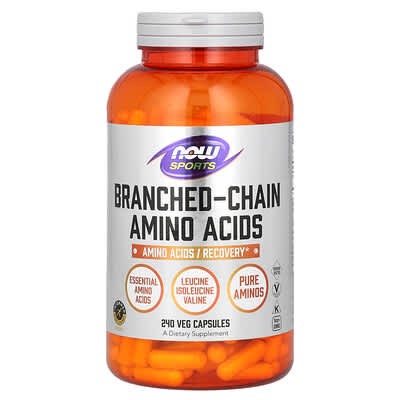
Isoleucine is one of the three essential branched-chain amino acids (BCAAs), along with leucine and valine. Since the human body cannot synthesize it, it must be acquired through food or supplements. It is particularly notable for being metabolized directly within muscle tissue rather than the liver, allowing it to be used as a rapid fuel source during physical activity. Key roles of isoleucine include assisting in muscle protein synthesis, which is necessary for tissue growth and repair, and promoting recovery following exercise. It also helps regulate blood sugar levels by supporting glucose uptake into cells and contributes to the formation of hemoglobin, the protein responsible for oxygen transport throughout the body. Due to its importance in muscle development and energy metabolism, isoleucine is frequently included in BCAA supplements to support athletic performance, reduce muscle soreness, and speed recovery. It is particularly useful during intense resistance training or endurance sports. Maintaining a balanced intake of all three BCAAs is often recommended, as they work together to support muscle health and efficient recovery.


Natural sources
Meat (beef, chicken, pork)FishEggsDairy products (milk, cheese, yogurt)Legumes (lentils, beans)Nuts (almonds, cashews)Seeds (sunflower seeds, pumpkin seeds)Whole grains (brown rice, quinoa)

No public comparison lists found.

Optimal Dosage
Minimum2000 mg
Maximum4000 mg
Safety & Toxicity
4 safety notes
  • Individuals with Maple Syrup Urine Disease (MSUD) should avoid Isoleucine and other BCAAs due to an inability to metabolize them.
  • Pregnant or breastfeeding women should consult a healthcare professional before supplementing.
  • Diabetics should monitor blood sugar levels closely, as Isoleucine can affect glucose metabolism.
  • Avoid extremely high doses, as this could lead to amino acid imbalances and potential adverse effects.
Goals
Energy
Impact
Situational effect
Typical dose:1000–2000 mg
Isoleucine can serve as an energy source for muscle tissue, sparing glycogen stores during intense physical activity. This makes it situationally useful for enhancing endurance and reducing exercise-induced fatigue in athletes.

Study evidence

No published studies for this goal yet.

View goal

Studies

Research connections will load here.