Impact
High effect
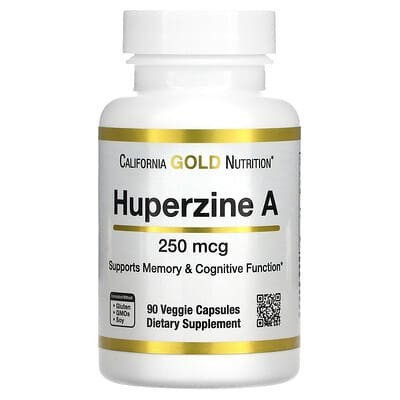
Typical dose:50–400 mcg
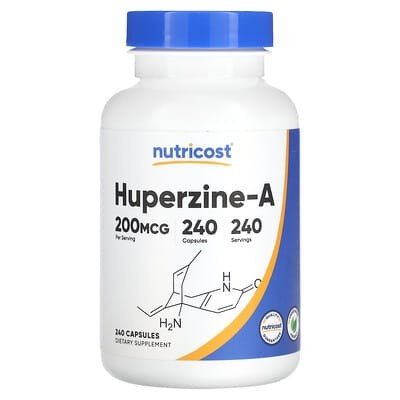
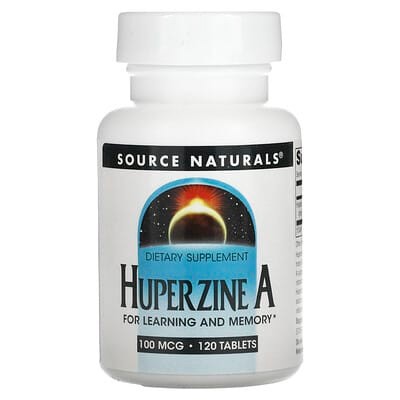
Huperzine A is an acetylcholinesterase inhibitor, meaning it stops the enzyme that breaks down acetylcholine, a key neurotransmitter for memory. This produces a noticeable, acute boost in cognitive function. Due to its potency and mechanism, it requires cycling and is not a foundational supplement.
Study evidence
17 studiesHuperzine A may improve cognitive symptoms and daily functioning in people with Alzheimer disease, but the evidence is limited by study quality. The supplied research does not establish broader brain protection, prevention of dementia, or cognitive benefits in healthy adults.
View goal