




Iron Supportive
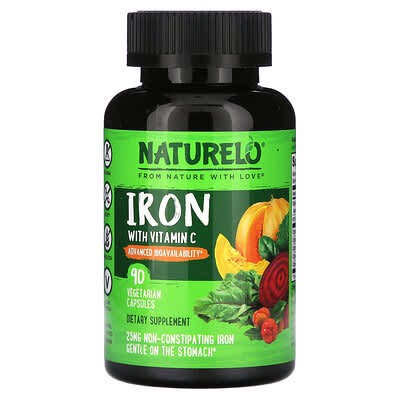
Iron with Vitamin C
Goals
$18.65 $0.20 per serving
Product analysis
AI assessment of the formula, label and price. How scoring works
Nutrient Quality36
Ingredient Transparency59
Value For Money58
Customer Satisfaction90
Product Focus60
- Format
Capsule - Container
- 90 Capsule(s)
- Per serving
- $0.20
- Customer rating
- 4.7 · 9,675 ratings
Goals
Impact
High effect
Iron · 25 mg
Iron with Vitamin C is an energy option when low iron status is contributing to tiredness. Its 25 mg of iron as ferrous bisglycinate is the leading relevant ingredient, with benefit tied to an iron need. The 50 mg of vitamin C adds a smaller nutritional contribution because low vitamin C intake can also contribute to fatigue.

Impact
Moderate effect
Iron · 25 mgVitamin C · 50 mg
Iron with Vitamin C is a targeted option when inadequate iron contributes to shedding. Its 25 mg of ferrous bisglycinate chelate supplies iron for that nutritional need. Vitamin C at 50 mg supports iron absorption, without adding a demonstrated hair benefit of its own.
Iron Disputed
Vitamin C Mixed

Impact
Moderate effect
Iron · 25 mg
Iron Supportive
Ingredients
| Ingredient | Amount per serving | Score |
|---|---|---|
Vitamin C (Acerola Cherry fruit extract, L-Ascorbate) | 50 mg | |
Iron (Ferrous Bisglycinate Chelate) | 25 mg | |
Beet | 5 mg | |
Spinach | 5 mg | |
Kale | 5 mg | |
Swiss Chard | 5 mg | |
Pumpkin | 5 mg |
Iron (Ferrous Bisglycinate Chelate) · 25 mg OverallScore88
NATURELO Premium Supplements Iron with Vitamin C provides 25 mg iron per serving as ferrous bisglycinate, a clearly stated amount. Iron bisglycinate is a chelated form valued for absorption and tolerance. The formula has 50 mg vitamin C. For iron, the full formula is good value at $0.04 per 5 mg; a serving costs $0.21.
Alternative products
Report alternatives
Sources
Published studies used for the product analysis and the top-ranked studies for each ingredient and goal.
- Large-dose intravenous ferric carboxymaltose injection for iron deficiency anemia in heavy uterine bleeding: a randomized, controlled trial.
- The Effect of Parenteral or Oral Iron Supplementation on Fatigue, Sleep, Quality of Life and Restless Legs Syndrome in Iron-Deficient Blood Donors: A Secondary Analysis of the IronWoMan RCT.
- Ferric carboxymaltose vs. oral iron in the treatment of pregnant women with iron deficiency anemia: an international, open-label, randomized controlled trial (FER-ASAP).
- Effect of iron therapy on fatigue symptoms in non-anaemic iron deficient women of reproductive age- A Randomized Controlled Trial.
- Intravenous iron isomaltoside treatment of women suffering from severe fatigue after postpartum hemorrhage.
- The Association Between Alopecia Areata and Iron Deficiency Anemia: A Large-Scale Population-Based Case-Control Study.
- Iron Deficiency and Nonscarring Alopecia in Women: Systematic Review and Meta-Analysis.
- Comparative Analysis of Postoperative Hair Loss and Micronutrient Deficiencies After One-Anastomosis Gastric Bypass Versus Sleeve Gastrectomy.
- Assessment of Serum Ferritin Levels in Female Patients With Telogen Effluvium.
- Diagnosis and treatment of female alopecia: Focusing on the iron deficiency-related alopecia.
- Management of hair loss associated with endocrine therapy in patients with breast cancer: an overview.
- Elucidating causal relationships of diet-derived circulating antioxidants and the risk of non-scarring alopecia: A Mendelian randomization study.
- Alterations of plasma antioxidants and mitochondrial DNA mutation in hair follicles of smokers.
- Removal of synthetic hair dye using formamidine sulfinic acid and other sulfinate precursors.
- A Zinc Sulphate-Resistant Acrodermatitis Enteropathica Patient with a Novel Mutation in SLC39A4 Gene.
- Effects of daily iron supplementation in primary-school-aged children: systematic review and meta-analysis of randomized controlled trials.
- Consumption of Iron-Biofortified Beans Positively Affects Cognitive Performance in 18- to 27-Year-Old Rwandan Female College Students in an 18-Week Randomized Controlled Efficacy Trial.
- Functional consequences of iron supplementation in iron-deficient female cotton mill workers in Beijing, China.
- The Effect of Iron-Fortified Lentils on Blood and Cognitive Status among Adolescent Girls in Bangladesh.
- Daily iron supplementation for improving anaemia, iron status and health in menstruating women.