




Zinc Supportive
About this product
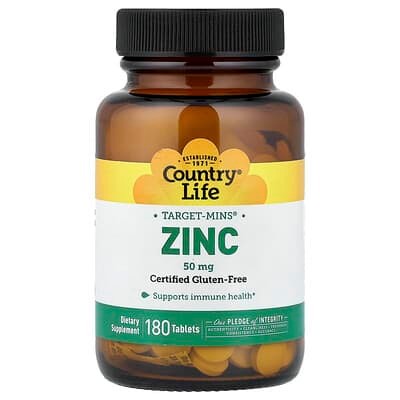
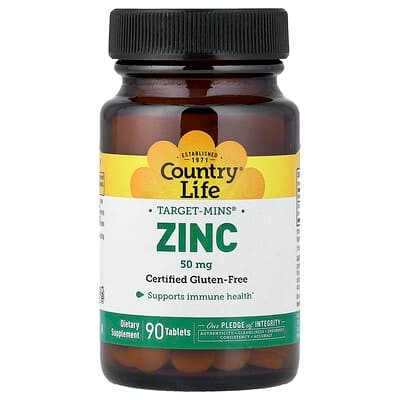
The low serving cost is attractive, but the 50 mg zinc amount is a substantial trade-off for routine supplementation. It exceeds the supplied adult daily upper intake level of 40 mg, without establishing greater benefits once zinc needs are met.
Five zinc sources are identified, including bisglycinate and picolinate, which have favorable form findings. The proportions are missing, so the amount from each source cannot be checked. A mixture of forms does not itself establish better absorption or stronger health outcomes.
The clearest useful role is filling a zinc gap within a supervised plan that calls for this amount. Normal immune and skin functions are relevant to zinc nutrition, while added hair, testosterone or everyday vision benefits remain uncertain when intake is adequate. Copper content is not established, making mineral balance a practical concern during ongoing use.
Pros
Very low serving cost Names the zinc sources and total elemental amount Includes zinc forms with favorable absorption potential
Cons
Does not disclose the proportions of its five zinc sources Multiple forms do not establish extra benefit Copper content is not established
Warnings
Each 50 mg serving exceeds the supplied adult daily upper intake level of 40 mg; ongoing daily use warrants professional supervision. High zinc without a known copper intake can contribute to copper depletion over time; review the full mineral intake before extended use.