


Biotin Supportive
$17.59 $0.83 per serving
Product analysis
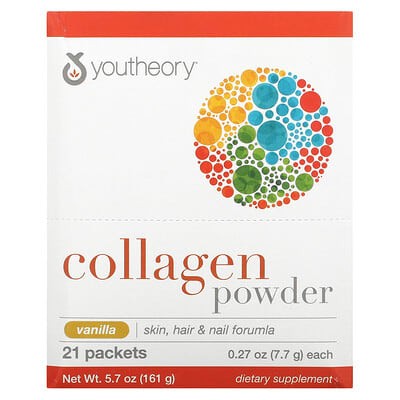
Collagen Powder Vanilla combines collagen with vitamin C and biotin for skin and nail support, although visible benefits remain uncertain. The collagen preparation is not clearly identified, making it hard to judge whether it matches preparations used in research.
AI assessment of the formula, label and price. How scoring works
Nutrient Quality26
Collagen provides the main nutritional contribution, but its precise preparation is unclear. The unspecified biotin form also limits comparisons with other products.
Ingredient Transparency75
All ingredient amounts are stated, so serving sizes can be compared. Only vitamin C has its form identified, leaving important details about collagen and biotin unclear.
Value For Money65
The collagen is economical for the amount provided. The value added by vitamin C and biotin is less certain.
Customer Satisfaction78
Customer feedback is generally positive across a large number of ratings. The volume gives a broader picture of satisfaction, without establishing health benefits.
Product Focus68
The formula is most closely connected to nail support and collagen-related skin nutrition. Broader claims about hair, bones and joints carry more uncertainty.
- Format
Liquid - Container
- 5 Liquid(s)
- Per serving
- $0.83
- Also available
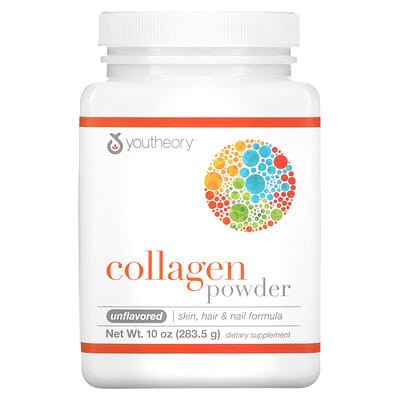 Collagen Powder Unflavored$19.17
- Customer rating
- 4.4 · 2,820 ratings
Goals

Impact
Highest effect
Collagen · 6000 mgBiotin · 2.5 mg
Collagen Powder Vanilla offers a biotin-led option with complementary collagen support for nail structure. Biotin at 2,500 mcg matches the amount used in limited brittle-nail evidence. The 6,000 mg of hydrolyzed collagen supplies structural protein, but its identity does not establish equivalence to the nail-tested branded peptides. Vitamin C at 200 mg supports collagen synthesis.
Collagen Supportive
Vitamin C Supportive

Impact
High effect
Vitamin C · 200 mgCollagen · 6000 mg
Collagen Powder Vanilla offers a possible but uncertain collagen-based fit for skin structure. Its 6,000 mg of hydrolyzed collagen is not identified as a tested peptide preparation, which limits confidence in applying specific skin results. Vitamin C at 200 mg supplies a collagen cofactor. Biotin at 2,500 mcg has a nutritional skin role when intake is inadequate, rather than a larger routine benefit from the high amount.
Collagen Supportive
Vitamin C Supportive
Biotin Supportive


Impact
High effect
Biotin · 2.5 mgVitamin C · 200 mgCollagen · 6000 mg
Collagen Powder Vanilla combines a possible hair-shaft role with nutritional support. Its 6 g collagen provides protein building blocks, with preparation-specific limits on the expected effects on hair condition. Biotin at 2,500 mcg can matter for deficiency-related shedding. Vitamin C at 200 mg supports normal collagen synthesis alongside the protein component.
Vitamin C Mixed
Biotin Supportive
Collagen Supportive

Impact
High effect
Collagen · 6000 mgVitamin C · 200 mg
Collagen Powder Vanilla has a narrower possible skin-related role rather than established broad everyday-health benefit. Its 6 g collagen is the leading ingredient, but the supplied support depends on particular peptide preparations. Vitamin C at 200 mg supplies a smaller nutritional contribution to normal antioxidant and immune functions.
Vitamin C Supportive
Collagen Supportive

Impact
Moderate effect
Collagen · 6000 mg
Collagen Powder Vanilla has a narrow skin-appearance rationale for healthy aging. Its 6 g hydrolyzed collagen is not identified as the specific peptide preparations linked to wrinkle improvements, limiting how directly those benefits apply. Vitamin C at 200 mg supports collagen formation when dietary intake is inadequate.
Collagen Supportive
Vitamin C Supportive
Ingredients
| Ingredient | Amount per serving | Score |
|---|---|---|
Vitamin C (Calcium Ascorbate) | 200 mg | |
Biotin | 2.5 mg | |
Collagen, Hydrolyzed | 6000 mg |
Collagen · 6000 mg OverallScore62
Alternative products
Report alternatives
Sources
Published studies used for the product analysis and the top-ranked studies for each ingredient and goal.
- Effect of Calcium and Vitamin D Supplementation With and Without Collagen Peptides on Volumetric and Areal Bone Mineral Density, Bone Geometry and Bone Turnover in Postmenopausal Women With Osteopenia.
- Bone turnover and bone collagen maturation in osteoporosis: effects of antiresorptive therapies.
- A calcium-collagen chelate dietary supplement attenuates bone loss in postmenopausal women with osteopenia: a randomized controlled trial.
- Assessment of Osteoporosis in Lumbar Spine: In Vivo Quantitative MR Imaging of Collagen Bound Water in Trabecular Bone.
- Effect of calcium and vitamin D supplementation with and without collagen peptides on bone turnover in postmenopausal women with osteopenia.
- Can Dietary Intake of Vitamin C-Oriented Foods Reduce the Risk of Osteoporosis, Fracture, and BMD Loss? Systematic Review With Meta-Analyses of Recent Studies.
- Dietary vitamin C intake and the risk of hip fracture: a dose-response meta-analysis.
- Smoking, antioxidant vitamins, and the risk of hip fracture.
- Micronutrients and the risk of hip fracture: Case-control study.
- Favorable effect of dietary vitamin C on bone mineral density in postmenopausal women (KNHANES IV, 2009): discrepancies regarding skeletal sites, age, and vitamin D status.
- A double-blind, placebo-controlled, randomised, clinical study on the effectiveness of collagen peptide on osteoarthritis.
- Efficacy and safety of native type II collagen in modulating knee osteoarthritis symptoms: a randomised, double-blind, placebo-controlled trial.
- Healing Process, Pain, and Health-Related Quality of Life in Patients with Venous Leg Ulcers Treated with Fish Collagen Gel: A 12-Week Randomized Single-Center Study.
- Efficacy and Safety of Dietary Undenatured Type II Collagen on Joint and Motor Function in Healthy Volunteers: A Randomized, Double-Blind, Placebo-Controlled, Parallel-Group Study.
- The use of a collagen matrix in hard-to-heal venous leg ulcers.
- Dietary intake and blood concentrations of antioxidants and the risk of cardiovascular disease, total cancer, and all-cause mortality: a systematic review and dose-response meta-analysis of prospective studies.
- Scientific Opinion on the substantiation of a health claim related to vitamin C and increasing non haem iron absorption pursuant to Article 14 of Regulation (EC) No 1924/2006.
- Vitamin C Depletion and All-Cause Mortality in Renal Transplant Recipients.
- Associations of Serum Biomarkers of Fruit and Vegetable Intake With the Risk of Cause-Specific Mortality and All-Cause Mortality: A National Prospective Cohort Study.
- Relation between plasma ascorbic acid and mortality in men and women in EPIC-Norfolk prospective study: a prospective population study. European Prospective Investigation into Cancer and Nutrition.