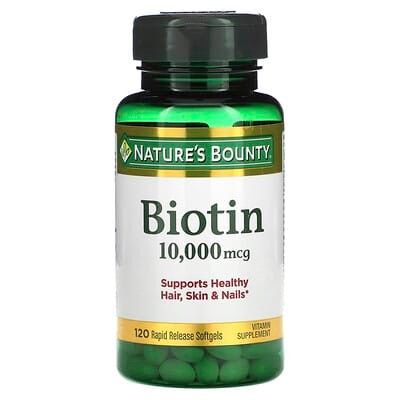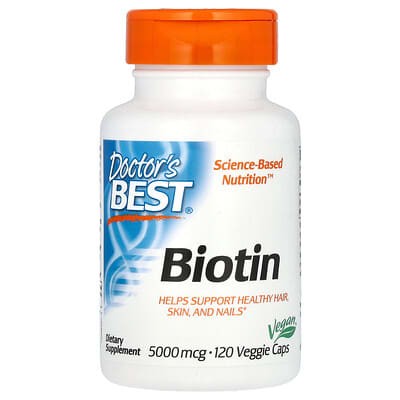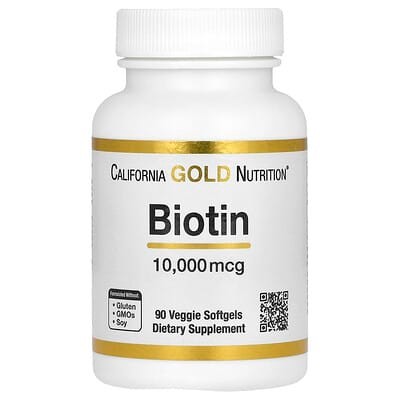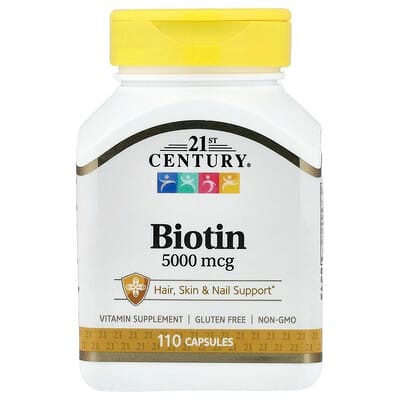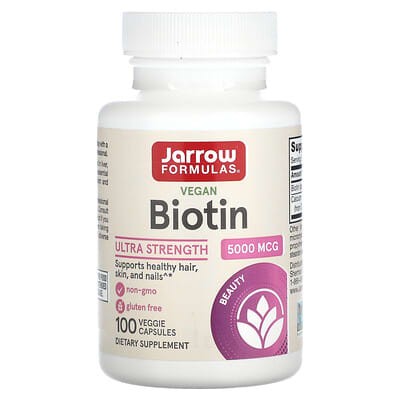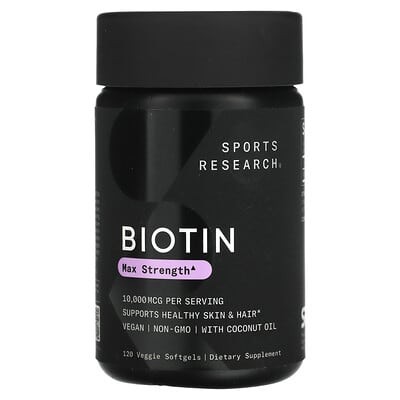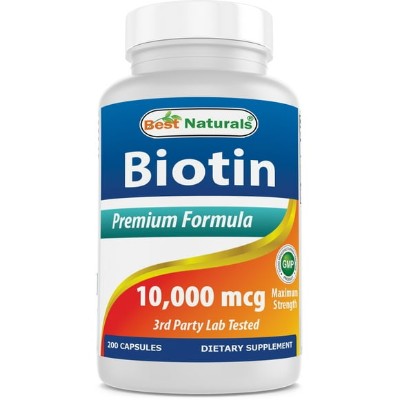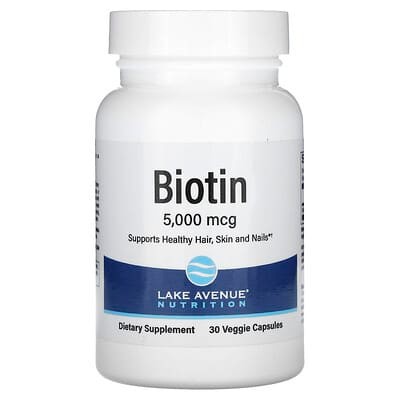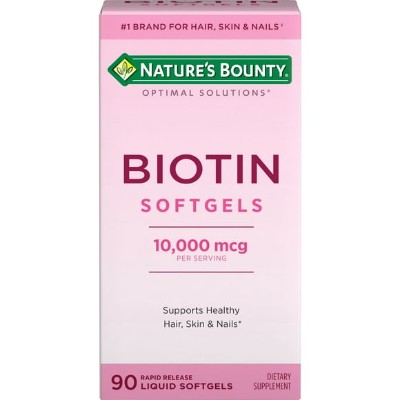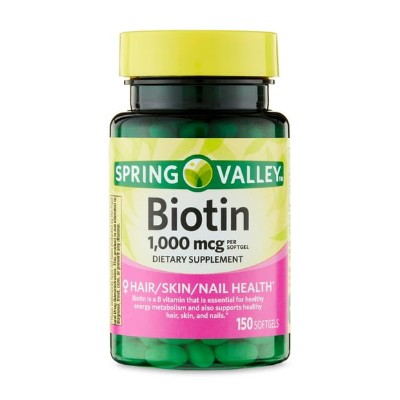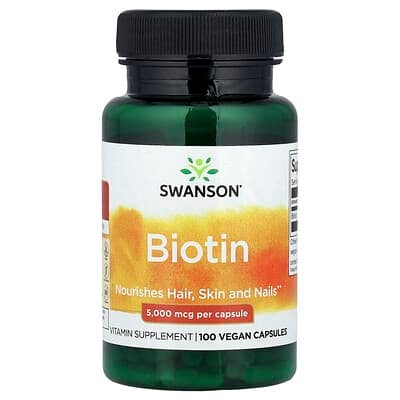
Biotin

Description

Biotin is an integral component of several enzymes (carboxylases) involved in key metabolic pathways within the body. These enzymes are vital for gluconeogenesis (the creation of glucose), fatty acid synthesis, and the breakdown of certain amino acids. This makes biotin fundamental for energy production and nutrient utilization at a cellular level. Beyond its metabolic functions, biotin is often celebrated for its dermatological benefits. It contributes to the health and integrity of skin, hair, and nails by supporting the production of keratin, a primary protein in these tissues. Adequate biotin intake can help improve brittle nails, strengthen hair, and maintain healthy skin. Furthermore, biotin supports nervous system function and plays a role in gene regulation and cell signaling. While deficiencies are rare in healthy individuals, supplementation can be beneficial for specific conditions or to address inadequate dietary intake.

Sources
Egg yolksOrgan meats (liver, kidney)Nuts (almonds, peanuts, walnuts)Seeds (sunflower seeds)Sweet potatoesMushroomsAvocadosBroccoliYeastDairy products (milk, cheese)
Cheapest Biotin supplements
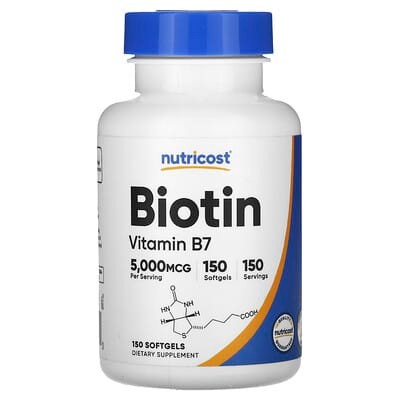
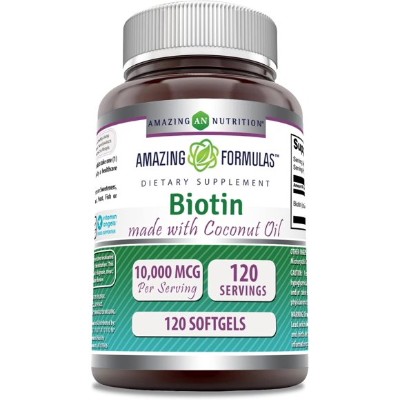
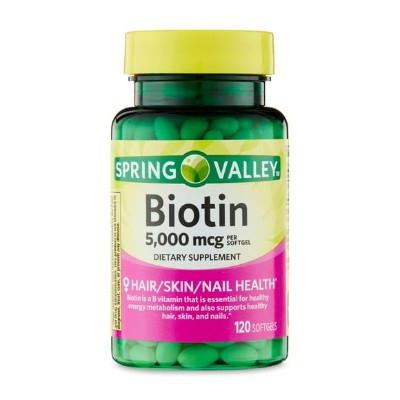
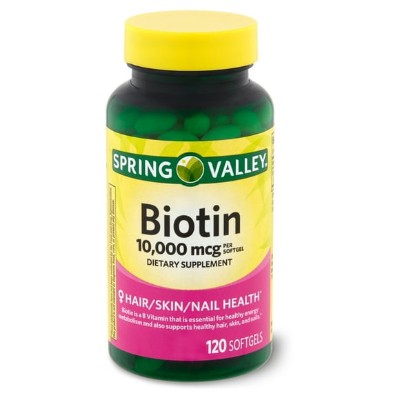
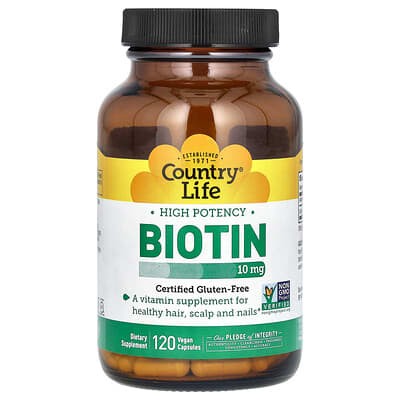
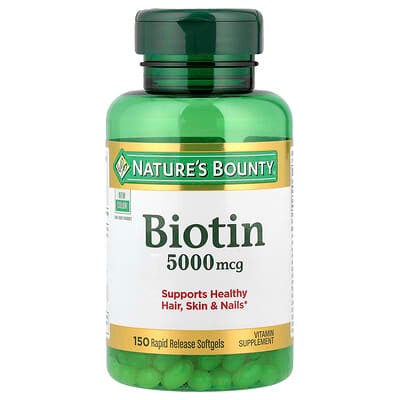
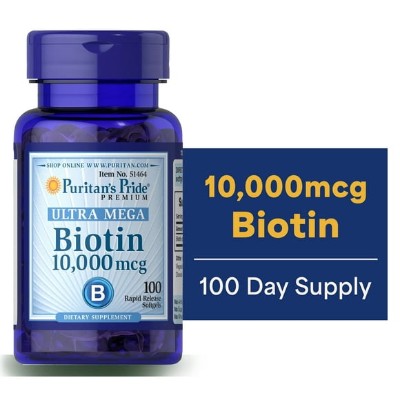
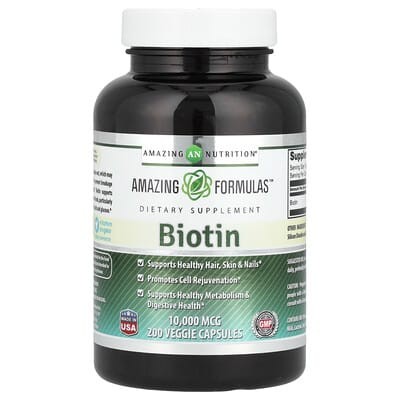
Compare the cheapest Biotin vitamins designed to support hair health, nail strength, skin radiance, and a boosted metabolism, helping you find the best value for your wellness goals.
Best Biotin supplements
Discover the best Biotin supplements for enhancing hair, nail, and skin health, plus boosting your metabolism.
Value Biotin supplements
Compare our top value Biotin supplements to find the perfect choice for enhancing your Hair Health, Nail Health, Skin Health, and Metabolism Boost.
Timing & Intake
AnytimeWith food
Biotin can be taken at any time of day, preferably with food to minimize any potential mild stomach upset, although it is generally well-tolerated.
Daily Intake
RDA (Men)30 mcg
RDA (Women)30 mcg
RDI30 mcg
Optimal Dosage
Minimum100 mcg
Maximum500 mcg
Safety & Toxicity
Toxicity Threshold10000 mcg
Toxicity Effectno known toxicity
Price per product
Average$23.33
Median$18.69
Price per serving
Average$0.59
Median$0.37
Price per 1000 mcg
Average$0.92
Median$0.35
Price distribution
Price per serving distribution
Price per 1000 mcg
Reference amount: 1000 mcg
Forms
Paired ingredients
D-Biotin (168)90
D-Biotin is the stereoisomer of biotin that exhibits full vitamin activity. It acts as a coenzyme for carboxylase enzymes involved in fatty acid synthesis, gluconeogenesis, and amino acid metabolism. This highly bioavailable form is widely used in supplements for its role in supporting healthy hair, skin, and nails, and correcting biotin deficiencies.
Pros
  • Highly bioavailable and active form
  • Well-researched and widely used in supplements
  • Effective for addressing biotin deficiency
Cons
  • High doses can interfere with certain laboratory tests (e.g., thyroid function, troponin levels)
  • Benefits for hair, skin, and nails are most pronounced in deficient individuals
Per product
Avg$25.16
Med$19.99
Per serving
Avg$0.75
Med$0.38
Per 100 mcg
Avg$0.43
Med$0.23
Price distribution
Biotin (31)88
Biotin, also known as Vitamin B7, is a coenzyme for several carboxylase enzymes vital for key metabolic processes. These include gluconeogenesis (glucose production), fatty acid synthesis, and amino acid catabolism. It is commonly found in dietary supplements to support general health and is particularly recognized for its role in maintaining healthy hair, skin, and nails.
Pros
  • Essential nutrient for overall health
  • Supports multiple vital metabolic functions
  • Widely available and recognized
Cons
  • High doses can interfere with certain laboratory tests
  • Benefits for non-deficient individuals, particularly for hair, skin, and nails, can vary
Per product
Avg$35.21
Med$30.99
Per serving
Avg$0.77
Med$0.87
Per 100 mcg
Avg$0.51
Med$0.35
Price distribution
Organic Food Blend (9)60
This form of biotin is derived from a mix of organic fruits, vegetables, or other plant-based ingredients known to naturally contain biotin. The biotin is present within its natural food matrix, which may enhance absorption and provides additional synergistic nutrients and phytonutrients found in whole foods. The exact biotin content can vary depending on the specific ingredients in the blend.
Pros
  • Whole-food, natural source of biotin
  • Provides additional vitamins, minerals, and phytonutrients
  • May offer enhanced absorption due to food matrix
Cons
  • Biotin concentration can be variable and generally lower than isolated forms
  • May be less effective for targeted, high-dose biotin supplementation
  • Cost can be higher than synthetic forms
Per product
Avg$37.82
Med$34.84
Per serving
Avg$0.79
Med$0.79
Per 100 mcg
Avg$0.57
Med$0.54
Price distribution
Brown Rice (8)30
Brown rice is a whole grain that provides a modest amount of naturally occurring biotin, alongside other B vitamins, fiber, and essential minerals. As a dietary component, it helps contribute to overall nutrient intake but is not considered a primary or concentrated source for therapeutic biotin supplementation. The biotin present is typically in bound forms within the grain matrix.
Pros
  • Natural dietary source of biotin
  • Provides fiber and other beneficial nutrients
  • Generally well-tolerated and a staple food
Cons
  • Very low biotin concentration for targeted effects
  • Not suitable for addressing biotin deficiency through supplementation alone
  • Biotin content can vary
Per product
Avg$47.87
Med$44.44
Per serving
Avg$0.82
Med$0.85
Per 100 mcg
Avg$0.48
Med$0.38
Price distribution
organic Brown Rice (7)35
Organic brown rice is a whole grain grown without synthetic pesticides, herbicides, or fertilizers, providing a modest amount of naturally occurring biotin. Like conventional brown rice, it contributes to overall nutrient intake and offers fiber, but it is not a concentrated source for targeted biotin supplementation. The biotin is typically in bound forms within the grain's matrix.
Pros
  • Natural, organic dietary source of biotin
  • Provides fiber and other beneficial nutrients
  • Free from synthetic pesticides and fertilizers
Cons
  • Very low biotin concentration for targeted effects
  • Not suitable for addressing biotin deficiency through supplementation alone
  • Biotin content can vary
Per product
Avg$39.61
Med$29.99
Per serving
Avg$0.84
Med$0.89
Per 100 mcg
Avg$0.87
Med$0.86
Price distribution
S. cerevisiae (5)85
This form involves biotin naturally synthesized and incorporated into the cellular matrix of *Saccharomyces cerevisiae*, commonly known as yeast. Often referred to as 'food-grown' or 'yeast-bound' biotin, it is presented in a complex with other B vitamins and nutrients naturally found in yeast. Some believe this food-matrix delivery enhances bioavailability and absorption compared to synthetic, isolated forms.
Pros
  • Food-matrix form, potentially enhanced bioavailability
  • Provides other naturally occurring B vitamins and nutrients from yeast
  • Natural and often preferred for whole-food supplementation
Cons
  • May contain residual yeast components, which could be an issue for individuals with yeast sensitivities or allergies
  • Biotin concentration can vary between different yeast products
Per product
Avg$31.26
Med$28.51
Per serving
Avg$0.97
Med$1.06
Per 100 mcg
Avg$0.07
Med$0.03
Price distribution
Vitamin B7 (5)88
Vitamin B7 is the alternate nomenclature for Biotin, an indispensable nutrient that functions as a coenzyme for several carboxylase enzymes. These enzymes are fundamental to critical metabolic pathways, including fatty acid synthesis, gluconeogenesis, and the catabolism of amino acids. As a dietary supplement, Vitamin B7 is frequently utilized to support the health of hair, skin, and nails, and to ensure proper metabolic function.
Pros
  • Essential nutrient for overall bodily function
  • Supports multiple vital metabolic processes
  • Commonly found and recognized in supplements
Cons
  • High doses can interfere with certain laboratory tests
  • Effectiveness for non-deficient individuals may be less pronounced
Per product
Avg$16.63
Med$17.90
Per serving
Avg$0.21
Med$0.19
Per 100 mcg
Avg$0.01
Med$0.01
Price distribution
PANMOL B-COMPLEX (3)85
PANMOL B-COMPLEX is a branded ingredient that delivers a comprehensive spectrum of B vitamins, including biotin, derived from the sprouts of organic quinoa. The B vitamins are naturally concentrated within the quinoa matrix, which is believed to enhance their bioavailability and provide synergistic benefits from other phytonutrients present in the sprouts. This form is often chosen for its whole-food, natural origin.
Pros
  • Natural, whole-food source of biotin and other B vitamins
  • Potentially high bioavailability due to food matrix
  • Branded and quality-controlled ingredient
Cons
  • Branded ingredient may be more expensive
  • Specific biotin concentration can vary by product formulation
  • Individuals with quinoa allergies should avoid
Per product
Avg$38.85
Med$29.79
Per serving
Avg$0.95
Med$0.95
Per 100 mcg
Avg$0.30
Med$0.30
Price distribution
organic Sesbania grandiflora (2)80
This form of biotin is derived from the leaves of the organic *Sesbania grandiflora* plant, also known as the 'agathi' tree. It provides biotin within a natural plant-based food matrix, alongside other naturally occurring cofactors and phytonutrients. This source is often preferred by consumers seeking organic, vegan, and whole-food derived vitamins, believed to offer enhanced bioavailability.
Pros
  • Natural, organic, and plant-based source of biotin
  • Whole-food form, potentially enhancing absorption
  • Provides additional phytonutrients from the plant extract
Cons
  • Biotin concentration can vary between different extracts
  • May be less standardized than synthetic forms
  • Availability might be limited compared to more common forms
Per product
Avg$25.89
Med$25.89
Per serving
Avg$1.29
Med$1.29
Per 1000 mcg
Avg$0.26
Med$0.26
Price distribution
Dicalcium Phosphate (1)0
Dicalcium Phosphate (DCP) is an inorganic salt utilized mainly as a dietary supplement for calcium and phosphorus, or more commonly, as an excipient in pharmaceutical and nutritional tablets and capsules. It functions as a diluent, binder, or disintegrant, aiding in the manufacturing process and ensuring product stability. Dicalcium Phosphate does not contain biotin and offers no biotin-specific physiological effects; its presence in a biotin supplement serves purely a structural or mineral-providing role.
Pros
  • Safe and stable excipient in supplement formulations
  • Provides elemental calcium and phosphorus if absorbed
  • Widely used and recognized in the industry
Cons
  • Is not a form of biotin and offers no biotin-related benefits
  • Its purpose is typically structural or for mineral content, not active vitamin delivery
Per product
Avg$10.78
Med$10.78
Per serving
Avg$0.17
Med$0.17
Per 100 mcg
Avg$0.03
Med$0.03
Price distribution