


Zinc Supportive
$0.00 $0.00 per serving
Product analysis
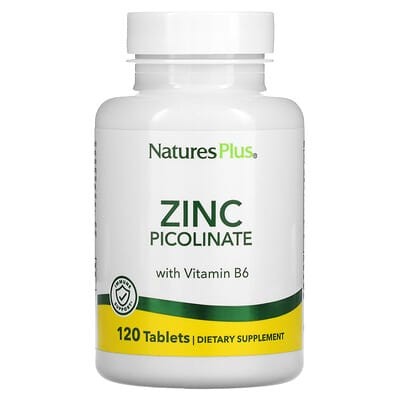
NaturesPlus Zinc Picolinate with Vitamin B6 is a focused supplement for normal immune function. One tablet supplies a substantial 30 mg zinc and 10 mg vitamin B6; although both nutrients are involved in immune-cell function, the precise zinc form's comparative absorption is unclear.
AI assessment of the formula, label and price. How scoring works
Nutrient Quality34
The vitamin B6 uses a well-rated form. Zinc dipicolinate is identified, but its comparative absorption is uncertain, and the rice protein preparation is not specified.
Ingredient Transparency88
The main ingredient amounts and zinc and B6 forms are stated. The specific preparation of the rice protein is not given.
Value For Money83
The zinc and vitamin B6 amounts compare favorably on price. The small rice protein addition is not a meaningful reason to buy the formula as a protein source.
Customer Satisfaction87
Customers rate the product 4.8 out of 5. Its 1,953 ratings provide a substantial base of feedback.
Product Focus73
The formula has a clear focus on zinc nutrition, with B6 providing complementary immune support. The small rice protein addition does not establish a separate protein supplementation benefit.
- Format
Tablet - Container
- 120 Tablet(s)
- Customer rating
- 4.8 · 1,953 ratings
Goals

Impact
Highest effect
Zinc · 30 mg
Zinc Picolinate with Vitamin B6 is a focused option for supporting normal immune function. Zinc at 30 mg supports immune-cell activity and regulation. Vitamin B6 at 10 mg has a smaller supporting role when low intake limits normal immune-cell function.

Impact
High effect
Zinc · 30 mg
Zinc Picolinate with Vitamin B6 fits testosterone support mainly when zinc intake is inadequate. Its 30 mg of zinc supplies the leading nutritional contribution; vitamin B6 at 10 mg has uncertain independent relevance to testosterone.
Zinc Disputed
Vitamin B6 No studies yet

Impact
High effect
Zinc · 30 mg
Zinc Picolinate with Vitamin B6 is a focused option for filling zinc and B6 gaps. Zinc at 30 mg supplies the leading contribution to normal immune function. Vitamin B6 at 10 mg adds support for normal nutrient metabolism and blood formation; the supplied facts give zinc dipicolinate no special advantage.
Zinc Supportive

Impact
High effect
Zinc · 30 mg
Zinc Picolinate with Vitamin B6 is mainly a zinc option for hair health when a zinc shortfall contributes to shedding. It supplies 30 mg of zinc as zinc dipicolinate. Vitamin B6 at 10 mg participates in cysteine metabolism but is a supporting cofactor rather than a separate hair-growth ingredient.
Zinc Supportive

Impact
High effect
Zinc · 30 mg
Zinc Picolinate with Vitamin B6 offers a limited nutritional fit for routine eye health. Zinc at 30 mg supports photoreceptor function; its eye-health evidence concerns defined combinations for selected people.
Zinc Supportive

Impact
High effect
Zinc · 30 mg
Zinc Picolinate with Vitamin B6 is a focused option for correcting nutrient gaps that affect skin. The serving supplies 30 mg zinc for normal repair when zinc intake is insufficient. Vitamin B6 at 10 mg can help restore normal skin function when B6 intake is deficient. The supplied facts provide no skin-specific advantage from the picolinate name.
Zinc Supportive
Ingredients
| Ingredient | Amount per serving | Score |
|---|---|---|
Vitamin B6 (Pyridoxine Hydrochloride) | 10 mg | |
Zinc (Zinc Dipicolinate) | 30 mg | |
whole Brown Rice Protein | 250 mg |
Zinc (Zinc Dipicolinate) · 30 mg OverallScore47
NaturesPlus Zinc Picolinate with Vitamin B6 is good value and has uncertain zinc quality because the source form is unknown. 30 mg of zinc is a substantial amount per serving. Copper amount is unknown, so the zinc-to-copper balance cannot be determined. At $0.05 per 10 mg of zinc, with a $0.16 serving price, it is good value. The serving price covers the full formula.
Alternative products
Report alternatives
Sources
Published studies used for the product analysis and the top-ranked studies for each ingredient and goal.
- Effectiveness of sodium bicarbonate and zinc chloride mouthwashes in the treatment of oral mucositis and quality of life in patients with cancer under chemotherapy.
- Zinc supplementation in young children with acute diarrhea in India.
- Associations of mortality with ocular disorders and an intervention of high-dose antioxidants and zinc in the Age-Related Eye Disease Study: AREDS Report No. 13.
- Effects of zinc and probiotic co-supplementation on inflammation, gastrointestinal symptoms, quality of life, and mood in irritable bowel syndrome patients.
- Effect of zinc sulfate supplementation on premenstrual syndrome and health-related quality of life: Clinical randomized controlled trial.
- Antioxidant vitamin and mineral supplements for age-related macular degeneration.
- Antioxidant vitamin and mineral supplements for slowing the progression of age-related macular degeneration.
- Oral zinc in macular degeneration.
- A randomized, placebo-controlled, clinical trial of high-dose supplementation with vitamins C and E, beta carotene, and zinc for age-related macular degeneration and vision loss: AREDS report no. 8.
- Effect of vitamin A and zinc supplementation on the nutriture of children in Northeast Thailand.
- The effects of minoxidil, 1% pyrithione zinc and a combination of both on hair density: a randomized controlled trial.
- Incubatory environment of the scalp impacts pre-emergent hair to affect post-emergent hair cuticle integrity.
- A comparison of hair quality and cosmetic acceptance following the use of two anti-dandruff shampoos.
- BMI and levels of zinc, copper in hair, serum and urine of Turkish male patients with androgenetic alopecia.
- Analysis of serum zinc and copper concentrations in hair loss.
- Nutrient supplementation for prevention of viral respiratory tract infections in healthy subjects: A systematic review and meta-analysis.
- Zinc supplementation reduces the incidence of acute lower respiratory infections in infants and preschool children: a double-blind, controlled trial.
- A randomized controlled trial of zinc supplementation in the treatment of acute respiratory tract infection in Thai children.
- The effect of zinc and vitamin A supplementation on immune response in an older population.
- The role of specific nutrients in preventing immune system and blood cell disorders: an umbrella review.