


Zinc Supportive
About this product
The main use is filling a zinc shortfall that affects normal immune function and skin repair. Benefits for hair or testosterone also depend on low zinc being part of the problem; a larger serving does not establish extra benefit when intake is adequate.
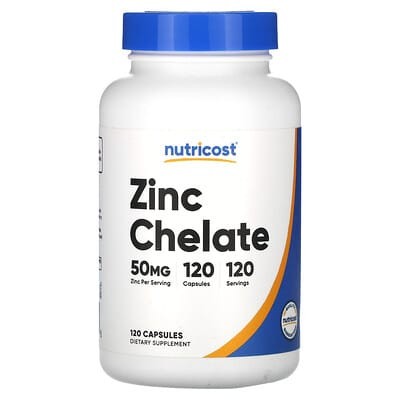
The 50 mg serving is the main drawback because it exceeds the adult daily upper limit of 40 mg before food or other supplements are counted. Copper is not quantified, so the mineral balance remains uncertain, and sustained high zinc intake can deplete copper. That makes the full serving a poor fit for routine use without an identified need and professional oversight.
The low cost is appealing for someone who specifically needs zinc. However, the generic chelate description does not identify the exact compound, limiting a useful comparison of absorption with named zinc forms. Clear dose disclosure helps assess the amount, but it does not resolve the safety trade-off.
Pros
A single-nutrient formula avoids unrelated active ingredients. The zinc amount is clearly stated. Low cost for the zinc contribution.
Cons
The chelate name does not reveal the exact zinc compound. Copper information is insufficient to judge mineral balance. Extra zinc has limited benefit once dietary needs are met.
Warnings
A 50 mg serving exceeds the 40 mg adult daily upper limit; avoid routine daily use without professional guidance on the dose and duration. Sustained high zinc intake can reduce copper status; unquantified copper means the formula cannot be assumed to address that risk.