
Nutrient quality
Whey concentrate supplies a meaningful protein serving with useful food-derived minerals. Mineral compounds are not identified, so their form quality cannot be judged.
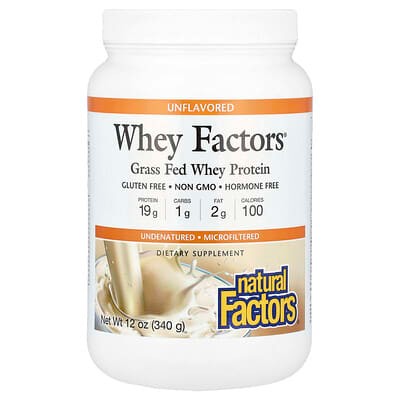
 iHerb iHerb | $ 20.27 | |
 Vitacost Vitacost | $ 22.33 | |
 Amazon Amazon | $ 0.00 |
One scoop supplies 19 g of whey protein concentrate, 2 g of fat, and 1 g of carbohydrate. Whey concentrate is a complete protein but generally retains more milk components than isolate.
Vitamin C at 115 mg is substantial, while 110 mg of potassium and 110 mg of phosphorus add modest mineral support. A 70 mg enzyme blend is disclosed, though the individual enzymes and their activities are not provided.
The unflavored version avoids added flavoring and works well in recipes or customized shakes. It works better as a general protein powder than a heart-health product because it supplies 60 mg of cholesterol and does not target lipids, vascular tone, or blood pressure.
Whey concentrate supplies a meaningful protein serving with useful food-derived minerals. Mineral compounds are not identified, so their form quality cannot be judged.
Principal nutrient amounts are stated clearly and no proprietary blend hides the protein serving. Complete use directions and a full other-ingredients list are not included in the supplied facts.
The supplied average rating is strong and the review volume is sufficient for a useful broad signal. No detailed comments are provided to assess repeated complaints or whether experiences match the intended use.
The useful protein serving is paired with a relatively high recurring cost. Whey concentrate is less refined than isolate, and incomplete ingredient disclosure weakens comparison.
| Ingredient | Amount per serving |
|---|---|
Calories | 100 Calorie(s) |
Total Fat | 2 Gram(s) |
Cholesterol | 60 mg |
Total Carbohydrates | 1 Gram(s) |
Protein | 19 Gram(s) |
Vitamin C | 115 mg |
Calcium | 120 mg |
Iron | 0.38 mg |
Phosphorus | 110 mg |
Magnesium | 16 mg |
Sodium | 50 mg |
Potassium | 110 mg |
Whey Protein concentrate (Milk) | 25.9 Gram(s) |
Enzyme Blend | 70 mg |
The phosphorus amount falls within a targeted supplemental range, but its source compound is not disclosed. One scoop is practical, while the milk-derived whey is unsuitable for people with a milk allergy. The high cost per serving weakens its value as a phosphorus source.