

Nutrient quality
A well-absorbed citrate form and ample zinc support zinc-related uses. The excessive amount and absent copper balance make routine long-term use a poor fit.
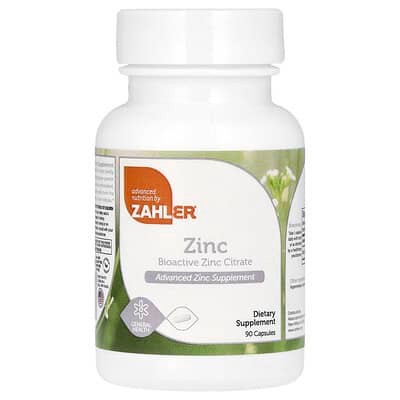
 Vitacost Vitacost | $ 16.53 | |
 iHerb iHerb | $ 16.22 | |
 Pure Formulas Pure Formulas | $ 16.22 | |
 Amazon Amazon | $ 16.22 |
The formula provides zinc citrate in a simple one-capsule format. Its organic salt form has good absorption potential and the active quantity is easy to understand.
The 50 mg serving is excessive for ordinary daily maintenance. Continued use without copper can reduce copper absorption and may also cause nausea.
Low cost and a long supply are useful only when the dose fits the user's plan. A lower-dose product is a better default for regular unsupervised supplementation.
A well-absorbed citrate form and ample zinc support zinc-related uses. The excessive amount and absent copper balance make routine long-term use a poor fit.
The elemental amount and citrate form are fully disclosed with no hidden blend. Inactive ingredients and complete intake directions are not supplied.
Aggregate customer metrics indicate strong satisfaction from a moderate sample. Missing feedback details prevent judging repeated complaints or whether experiences match the intended use.
A low serving cost and absorbable form create strong apparent value. Excessive dosing lowers quality-adjusted value for routine use.

Natural astaxanthin provides targeted retinal antioxidant support and may help eye strain linked to prolonged screen use. Human evidence is promising for visual fatigue but less comprehensive than multi-nutrient macular formulas.
The algae source and substantial amount are clearly disclosed in a fat-containing softgel. The focused formula offers strong antioxidant depth but does not cover macular pigments, minerals, or omega fatty acids.

Zinc citrate provides a foundational mineral in a well-absorbed form. Its immune, antioxidant, and enzyme roles align with daily health when zinc intake is inadequate.
The single active is clearly disclosed, but the amount is too high for routine unsupervised use. A 50 mg daily zinc dose exceeds the usual adult upper limit and can cause nausea or copper deficiency with continued use.

Zinc citrate directly supports steroidogenesis and may help when zinc status is low. The amount is higher than needed for routine daily support and does not reliably boost testosterone in zinc-replete users.
The single-ingredient capsule is focused and clearly labeled. The zinc dose exceeds the usual adult daily upper limit and can cause nausea or copper deficiency with continued use.

Zinc supports foundational immune, enzyme, antioxidant, and tissue-repair functions. The formula focuses mainly on zinc-dependent pathways, with limited added mineral breadth.
The 50 mg zinc amount exceeds the adult tolerable upper intake level and is poorly suited to routine long-term use. A daily 50 mg zinc amount exceeds the adult upper limit and may cause nausea or copper deficiency with extended use.

Zinc at 50 mg can correct deficiency-related shedding and supports follicle cell division and protein synthesis. Extra zinc is unlikely to improve hair when status is adequate.
The amount is substantial and the chemical form is clearly disclosed. The 50 mg amount exceeds the adult upper intake level and can cause nausea or copper deficiency with continued use.
| Ingredient | Amount per serving |
|---|---|
Zinc (Zinc Citrate) | 50 mg |
Zinc citrate is a well-absorbed organic salt, and the exact 50 mg amount is clearly disclosed. The dose exceeds the usual daily upper limit and lacks balancing copper, making it less suitable for unsupervised long-term use. A single capsule and favorable serving economics remain practical strengths.
Published studies used for the product analysis and the top-ranked studies for each ingredient and goal.