

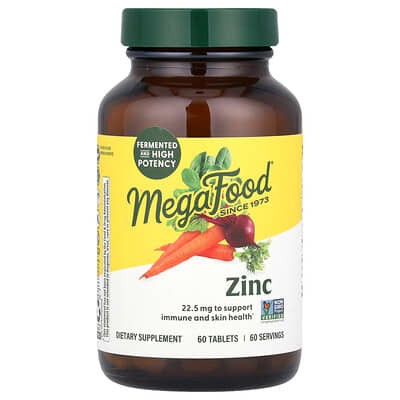
Nutrient quality
The bisglycinate form and substantial zinc amount provide strong nutrient quality. A small unnamed food blend adds little, while the zinc level remains suitable for general targeted use.
 Vitacost Vitacost | $ 29.43 | |
 iHerb iHerb | $ 27.99 |
The chelated bisglycinate form supports reliable absorption and is often easier to tolerate than basic zinc salts. Its 22.5 mg amount is substantial without crossing the usual adult upper limit.
A small nourishing food blend does not materially change the formula's role. The pressed tablet format is less streamlined than a capsule and may involve more non-active material.
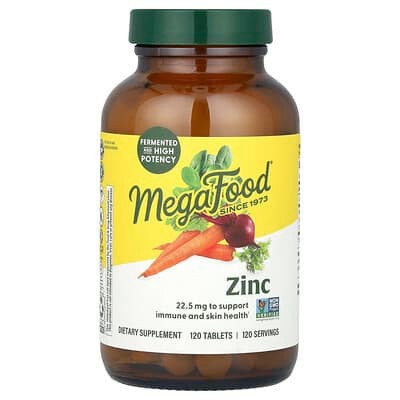
The larger bottle improves convenience and serving economics over the smaller version. It remains a zinc product first, with the food blend acting mostly as label decoration.
The bisglycinate form and substantial zinc amount provide strong nutrient quality. A small unnamed food blend adds little, while the zinc level remains suitable for general targeted use.
The zinc amount and form are clear, but the food blend hides its components. Inactive tablet ingredients and complete use directions are not supplied.
Aggregate customer metrics indicate strong satisfaction from a very large sample. Missing feedback details prevent judging repeated complaints or whether experiences match the intended use.
A premium zinc form and longer supply provide good value. The vague food blend remains a minor quality weakness.

The clearly disclosed zinc bisglycinate provides focused support for immune function, antioxidant defenses, and other basic processes. Its chelated form and substantial maintenance amount make the formula more useful than a token zinc addition.
The narrow formula does not cover the wider range of nutrients involved in daily health. Long-term users should count zinc from food and other supplements because sustained high total intake can reduce copper status.

Chelated zinc provides focused support for immune readiness, enzyme activity, and normal cellular function. The amount is substantial and the bisglycinate form is clearly disclosed.
The small nourishing blend is not detailed enough to add much confidence or breadth. Long-term users should account for zinc from other supplements because the formula does not show added copper.

Zinc provides a relevant route to testosterone support. The disclosed amount appears meaningful for that focused role.
The formula remains narrow rather than comprehensive. Zinc is best viewed as targeted support rather than proof of a clinical benefit.

Zinc supports follicle cell division, protein synthesis, and normal repair, making it relevant when low zinc status contributes to shedding. Evidence is strongest for correcting deficiency rather than promoting extra growth in zinc-replete users.
The 22.5 mg amount is substantial, and zinc bisglycinate is a well-absorbed form with clear disclosure. The small food blend adds little assessable hair support, while long-term stacking with other zinc products could impair copper balance.
Chelated zinc supports normal skin barrier function and tissue repair, especially when zinc intake is low. It is not a comprehensive skin formula and offers no direct collagen, hydration, or photoprotection active.
The amount and bisglycinate form are favorable, while the tablet format is a modest limitation. The small nourishing food blend is not detailed enough to add meaningful skin evidence.
| Ingredient | Amount per serving |
|---|---|
Zinc (Zinc Bisglycinate) | 22.5 mg |
Nourishing Food Blend | 26 mg |
The chelated bisglycinate form offers strong absorption potential and generally good digestive tolerance. Its clearly stated maintenance dose remains below the usual adult upper intake limit and carries a low copper-imbalance concern. The tablet delivery is less appealing than a capsule, while the serving cost sits just above the collection median.
Published studies used for the product analysis and the top-ranked studies for each ingredient and goal.