

Nutrient quality
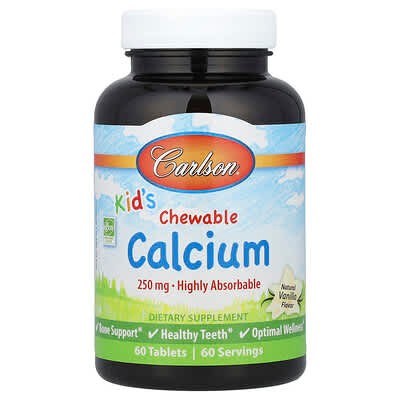
Calcium citrate is a well-absorbed form that does not depend heavily on stomach acid. The 250 mg calcium amount can supplement dietary intake but may not meet higher needs alone.
.
 Vitacost Vitacost | $ 31.37 | |
 iHerb iHerb | $ 31.37 | |
| Vitacost | $ 31.37 |
The 250 mg calcium citrate serving is suitable for closing a modest dietary gap and allows intake to be distributed through the day. A chewable format may be easier for children who cannot swallow standard tablets.
The formula supplies calcium alone and does not include vitamin D, magnesium, vitamin K, or structural protein support. Carbohydrate is part of the flavored format, though total sugar is not separately stated in the supplied facts.
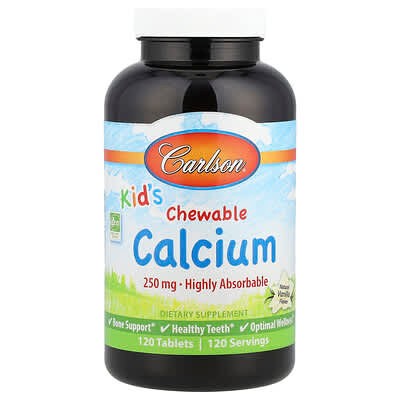
The larger quantity improves convenience for families already using the product. Suitability still depends on age, diet, and total calcium intake because no age-specific directions were provided.
Calcium citrate is a well-absorbed form that does not depend heavily on stomach acid. The 250 mg calcium amount can supplement dietary intake but may not meet higher needs alone.
.Active ingredients generally have stated amounts and no proprietary blend hides the doses. Missing other ingredients and complete intake directions leave important label details unresolved.
.The supplied average rating is strong and the rating volume provides a useful aggregate signal. No comment-level evidence is provided to assess recurring complaints or confirm how experience matches the intended purpose.
.The active amount and formula quality support favorable serving value. Format ingredients or non-calcium actives reduce its value for dedicated calcium use.
.| Ingredient | Amount per serving |
|---|---|
Calories | 5 Calorie(s) |
Total Carbohydrates | 2 Gram(s) |
Calcium (Calcium Citrate) | 250 mg |
The children’s chewable uses well-absorbed calcium citrate at a practical supplemental amount. The 250 mg serving supports general supplementation but may not meet higher needs alone. The serving cost is very low for a clearly identified citrate source. Calcium can reduce absorption of levothyroxine and tetracycline or quinolone antibiotics, so users should separate doses according to their prescription directions.