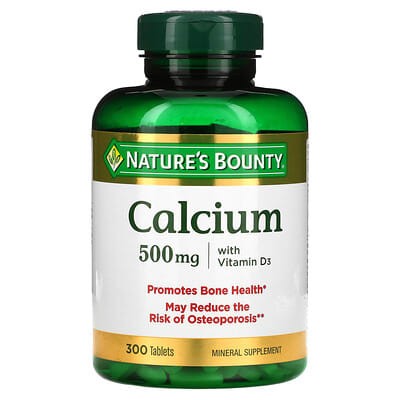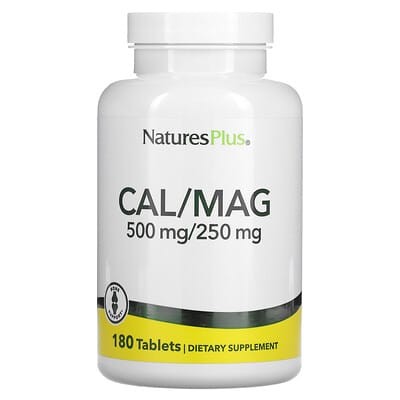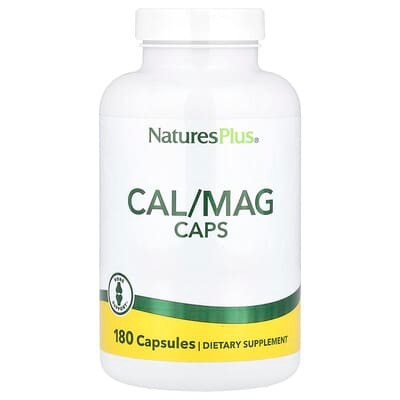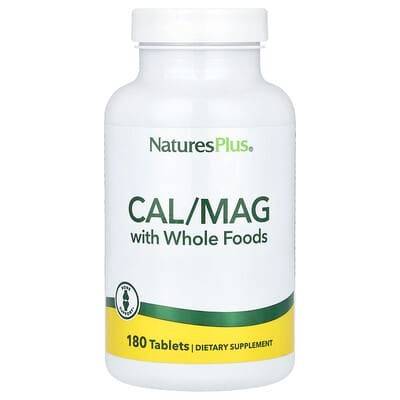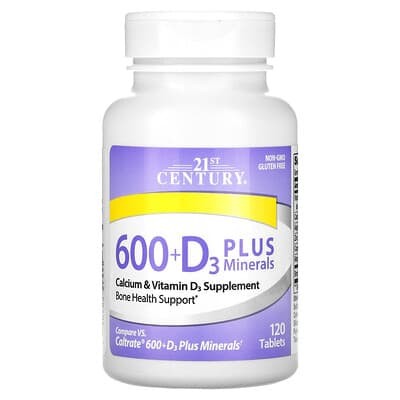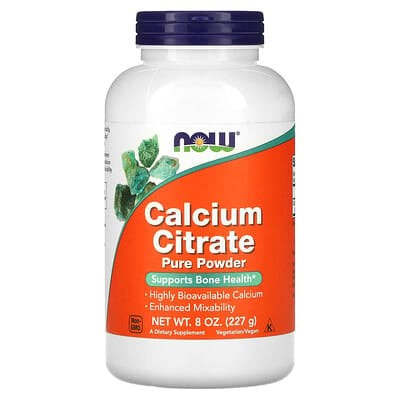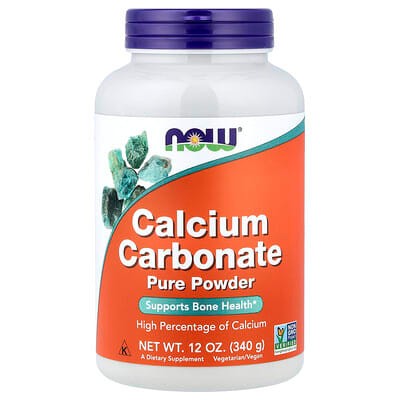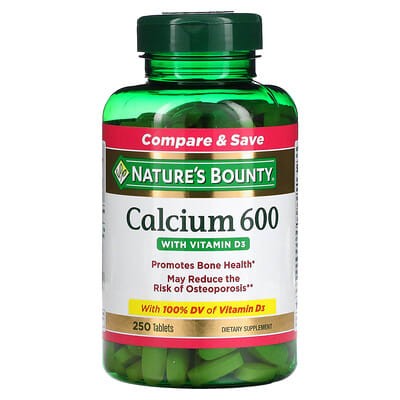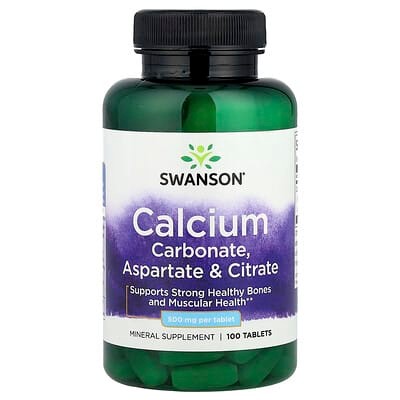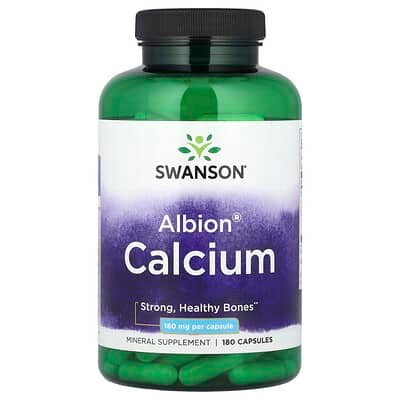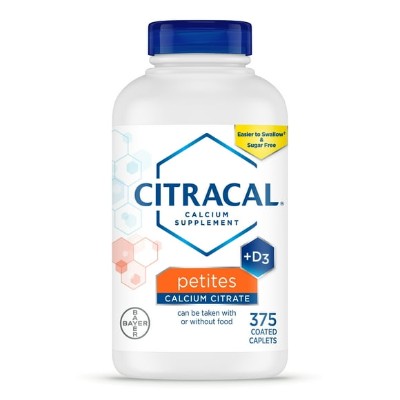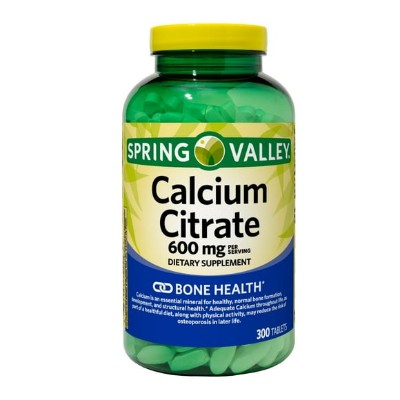
Calcium

Description

Calcium is the most abundant mineral in the human body, primarily stored in bones and teeth, providing structural integrity. It plays a crucial role in maintaining bone density throughout life, preventing conditions like osteoporosis. Beyond structural support, calcium is vital for various physiological processes. It is essential for proper muscle contraction and relaxation, including the heartbeat. Calcium also facilitates nerve signal transmission, enabling communication between the brain and the rest of the body. Furthermore, it is involved in blood clotting mechanisms and hormone secretion, ensuring overall bodily regulation. Maintaining adequate calcium intake is fundamental for overall health. However, its absorption and utilization are complex, often requiring the presence of other nutrients like Vitamin D and Magnesium for optimal efficacy. Dietary sources and supplementation are common ways to ensure sufficient levels.

Sources
Dairy products (milk, yogurt, cheese)Leafy green vegetables (kale, spinach, broccoli)Fortified foods (cereals, orange juice, plant-based milks)TofuSardinesAlmonds
Cheapest Calcium supplements
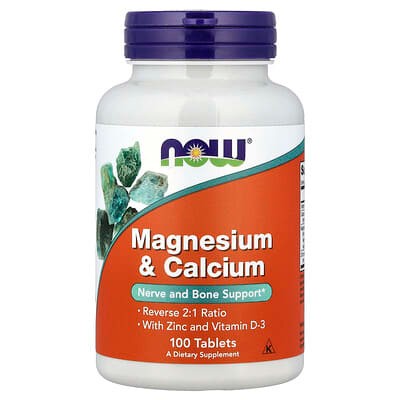
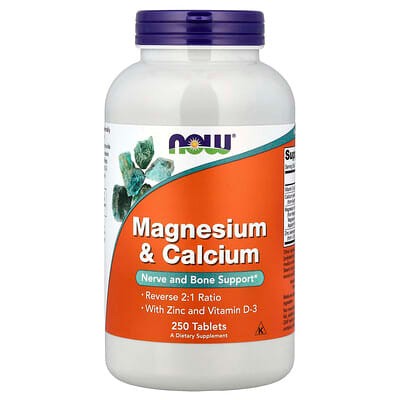
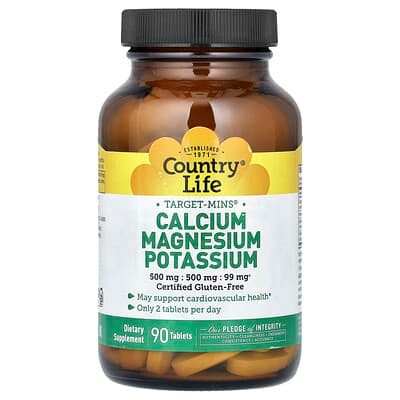
Compare the cheapest calcium supplements to support your bone and nail health, finding the best value for your wellness needs.
Best Calcium supplements
Compare the best Calcium supplements to support your bone health and strengthen your nails.
Value Calcium supplements
Compare top-rated Calcium supplements for bone and nail health, offering excellent value for your health needs.
Timing & Intake
AnytimeWith foodTake with Vitamin D, Magnesium
Calcium carbonate is best absorbed with food. Spreading doses throughout the day (e.g., 500mg at a time) can optimize absorption.
Daily Intake
RDA (Men)1000 mg
RDA (Women)1000 mg
RDI1000 mg
Optimal Dosage
Minimum1000 mg
Maximum1500 mg
Safety & Toxicity
Upper Limit (UL)2500 mg
Toxicity Threshold3000 mg
Toxicity EffectKidney stones, impaired absorption of other minerals
Price per product
Average$22.43
Median$18.71
Price per serving
Average$0.64
Median$0.38
Price per 1000 mg
Average$0.75
Median$0.37
Price distribution
Price per serving distribution
Price per 1000 mg
Reference amount: 1000 mg
Forms
Paired ingredients
Calcium Carbonate (296)75
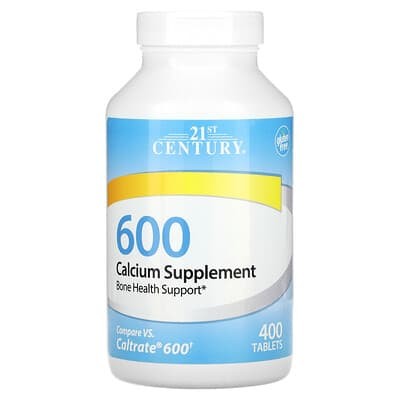
Calcium carbonate is a widely available and cost-effective form of calcium, containing approximately 40% elemental calcium by weight. Its absorption is acid-dependent, meaning it requires stomach acid for optimal dissolution and uptake, making it most effective when taken with meals.
Pros
  • High elemental calcium content per pill
  • Inexpensive
  • Widely available
Cons
  • Requires stomach acid for absorption (best taken with food)
  • Can cause gas, bloating, and constipation in some individuals
Per product
Avg$19.92
Med$17.86
Per serving
Avg$0.40
Med$0.28
Per 100 mg
Avg$0.11
Med$0.06
Price distribution
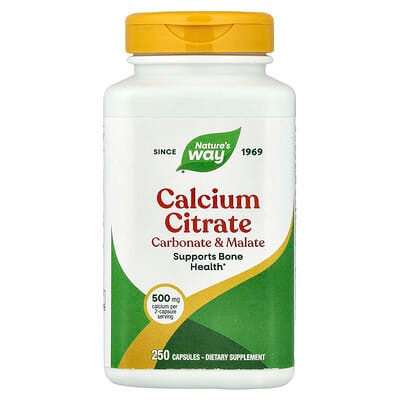
Calcium Citrate (239)85
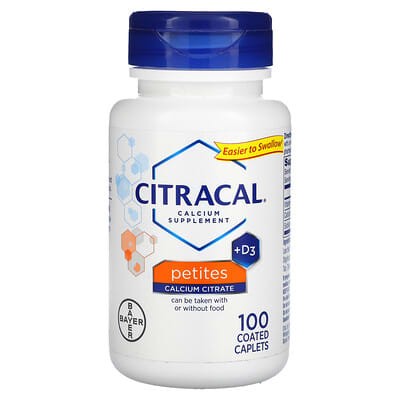
Calcium citrate is a highly bioavailable form of calcium, containing about 21% elemental calcium by weight. Unlike calcium carbonate, its absorption is not dependent on stomach acid, allowing it to be taken with or without food. It is generally better tolerated and less likely to cause gastrointestinal side effects.
Pros
  • Excellent bioavailability
  • Can be taken with or without food
  • Less likely to cause constipation or gas
Cons
  • Lower elemental calcium per tablet requires more pills for the same dose
  • Generally more expensive than calcium carbonate
Per product
Avg$30.91
Med$23.09
Per serving
Avg$0.89
Med$0.55
Per 100 mg
Avg$0.16
Med$0.06
Price distribution
Dicalcium Phosphate (84)70
Dicalcium phosphate is a dietary supplement ingredient that provides both calcium and phosphorus, two essential minerals crucial for bone health and other physiological processes. While it provides elemental calcium, its bioavailability can vary and may be lower than more soluble forms like calcium citrate. It is commonly found in multi-mineral supplements.
Pros
  • Provides both calcium and phosphorus
  • Supports bone and teeth structure
Cons
  • Bioavailability may be less optimal than other forms
  • Lower elemental calcium contribution compared to carbonate
Per product
Avg$29.15
Med$18.51
Per serving
Avg$1.10
Med$0.34
Per 100 mg
Avg$0.18
Med$0.09
Price distribution
Calcium Ascorbate (44)65
Calcium ascorbate is a mineral salt of ascorbic acid (Vitamin C). It provides a non-acidic form of Vitamin C, which is often preferred by individuals sensitive to the acidity of pure ascorbic acid. While it contains some elemental calcium, its primary purpose is as a Vitamin C source for immune support, antioxidant activity, and collagen formation, not as a major calcium supplement for bone health.
Pros
  • Non-acidic Vitamin C
  • Provides antioxidant benefits
  • Supports collagen synthesis
Cons
  • Provides a relatively small amount of elemental calcium
  • Not a primary calcium source
Per product
Avg$33.72
Med$29.49
Per serving
Avg$0.86
Med$0.71
Per 100 mg
Avg$0.17
Med$0.11
Price distribution
Calcium Malate (35)80
Calcium malate is a calcium salt of malic acid, an organic acid found in many fruits. This form is considered to have good bioavailability and absorption, similar to calcium citrate, and is generally well-tolerated without significant gastrointestinal side effects. It provides a reliable source of elemental calcium for various bodily functions.
Pros
  • Good bioavailability and absorption
  • Generally well-tolerated
Cons
  • Less common and potentially more expensive than calcium carbonate
  • Lower elemental calcium per dose compared to carbonate
Per product
Avg$29.31
Med$23.67
Per serving
Avg$0.60
Med$0.37
Per 1000 mg
Avg$1.28
Med$0.46
Price distribution
Calcium D-Pantothenate (29)60
Calcium D-pantothenate is the calcium salt of D-pantothenic acid, also known as Vitamin B5. While it contains calcium, its primary role in supplements is to deliver pantothenic acid, which is vital for energy metabolism and hormone synthesis. The elemental calcium contribution is relatively small and it is not typically used as a primary calcium supplement for bone health.
Pros
  • Excellent source of Vitamin B5
Cons
  • Provides minimal elemental calcium compared to dedicated calcium supplements
  • Not intended as a primary calcium source
Per product
Avg$35.16
Med$31.99
Per serving
Avg$1.11
Med$0.79
Per 100 mg
Avg$0.19
Med$0.12
Price distribution
Calcium Amino Acid Chelate (17)90
Calcium amino acid chelates (e.g., calcium bisglycinate, calcium glycinate) are forms where calcium ions are bonded to amino acids. This chelation process protects the mineral from interference in the gut, leading to superior absorption and bioavailability compared to inorganic forms. They are often well-tolerated and less likely to cause gastrointestinal discomfort.
Pros
  • Superior absorption and bioavailability
  • Generally gentle on the stomach
  • Well-tolerated
Cons
  • Can be significantly more expensive than other forms
  • Elemental calcium content can vary depending on the specific chelate
Per product
Avg$28.24
Med$26.08
Per serving
Avg$0.57
Med$0.52
Per 1000 mg
Avg$0.82
Med$0.62
Price distribution
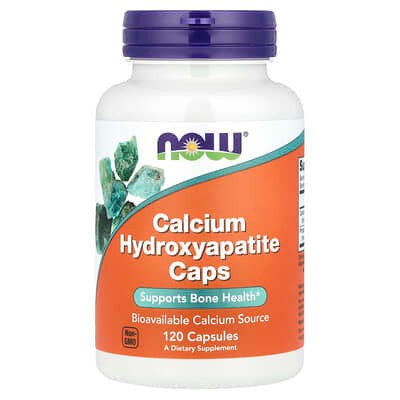
Calcium Hydroxyapatite (15)88
Calcium hydroxyapatite is a microcrystalline hydroxyapatite (MCHA) complex derived from bovine bone. It provides calcium, phosphorus, and other naturally occurring trace minerals in a highly bioavailable form, mirroring the mineral matrix of human bone. This form is believed to offer benefits beyond elemental calcium due to its complex natural composition.
Pros
  • Natural, bone-derived source
  • Contains phosphorus and trace minerals in physiological ratios
  • May offer holistic bone support
Cons
  • Higher cost
  • Potential concerns for those avoiding animal products
  • Elemental calcium content can be lower per dose than carbonate
Per product
Avg$26.30
Med$25.99
Per serving
Avg$0.48
Med$0.43
Per 1000 mg
Avg$0.20
Med$0.14
Price distribution