

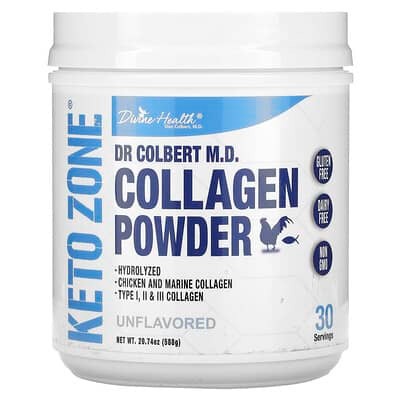
Nutrient quality
A substantial hydrolyzed protein amount provides useful basic nutrition. Light collagen, unquantified probiotics, and weak heart-purpose fit reduce quality.
.
 Vitacost Vitacost | $ 48.59 | |
 iHerb iHerb | $ 48.59 | |
 Amazon Amazon | $ 53.99 | |
 Pure Formulas Pure Formulas | $ 48.59 | |
| Vitacost | $ 48.59 |
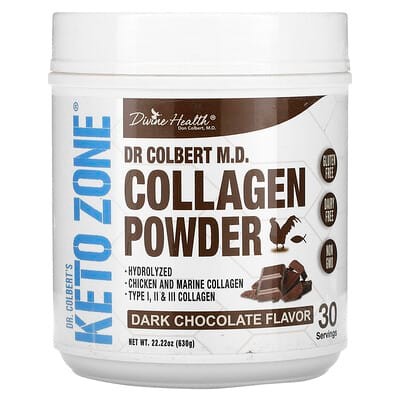
Hydrolyzed chicken protein supplies most of the substantial protein serving, while marine collagen contributes only a small separate amount. Dark chocolate flavor and low carbohydrate may make the powder easier to use consistently.
The named probiotic strains are a useful disclosure, but no viable counts are provided. Calcium and potassium make modest contributions, though their chemical forms are not identified.
The collagen-specific amount is too low for focused collagen supplementation and no collagen type is named. Buyers mainly seeking protein may find cheaper options, while collagen-focused users should choose a product with a clearly substantial peptide amount.
A substantial hydrolyzed protein amount provides useful basic nutrition. Light collagen, unquantified probiotics, and weak heart-purpose fit reduce quality.
.Some core nutrition amounts are clear enough to evaluate. Missing complete ingredients, use directions, or blend details create meaningful gaps.
.Aggregate satisfaction data are favorable. Specific firsthand comments were not supplied, leaving repeated complaints and purpose fit uncertain.
.Formula weaknesses limit value for routine use. Better-balanced or more transparent alternatives are likely to be more practical.
.| Ingredient | Amount per serving |
|---|---|
Calories | 84 Calorie(s) |
Total Fat | 2 Gram(s) |
Cholesterol | 55 mg |
Sodium | 20 mg |
Total Carbohydrates | 1 Gram(s) |
Protein | 16 Gram(s) |
hydrolyzed Chicken Protein isolate | 19 Gram(s) |
Hydrolyzed Marine Collagen Peptides | 500 mg |
Bacillus coagulans | 0 NP |
Lactobacillus salivarius | 0 NP |
Lactobacillus acidophilus | 0 NP |
Vitamin D | 0 mcg |
Calcium | 212 mg |
Iron | 1.7 mg |
Potassium | 195 mg |
The undisclosed calcium form prevents a meaningful absorption assessment. The serving amount supports general supplementation rather than high calcium needs on its own; no listed purity concern materially weakens the formulation. The high serving cost limits value.
The 195 mg potassium amount provides moderate support but is well below the collection median. Its source form is not identified, leaving absorption and buffering properties unclear. The relatively high serving cost offers limited value for potassium-focused use.
Hydrolyzed marine collagen peptides offer a transparent animal source and absorbable form, but no collagen type is named. The collagen-specific amount is far below the minimum useful dose even though the broader chicken protein content is large. Cost per gram of actual collagen is extremely high.