
Nutrient quality
Generic collagen lacks hydrolysis, animal source, type, and branded standardization. The collagen amount is far too low for meaningful structural support.
 iHerb iHerb | $ 25.00 | |
 Amazon Amazon | $ 24.99 | |
 Pure Formulas Pure Formulas | $ 21.21 |
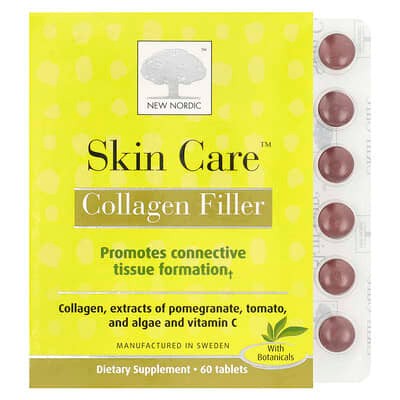
Vitamin C, zinc, pomegranate, tomato, algae, and pepper extracts make this a broad skin-nutrient tablet rather than a focused collagen supplement. The supporting actives are individually named and measured, which helps clarify what the formula contains.
Collagen is limited to 200 mg and lacks a stated source, type, or hydrolyzed form. That amount contributes little collagen protein despite the extensive companion blend.
Two tablets per serving may suit users who want a mixed antioxidant and micronutrient formula. Anyone buying primarily for collagen should choose a product with a much larger, better-defined peptide serving.
Generic collagen lacks hydrolysis, animal source, type, and branded standardization. The collagen amount is far too low for meaningful structural support.
Active amounts are listed and no proprietary blend hides the formula. The generic collagen identity, full usage directions, and non-active ingredients are not adequately disclosed.
The aggregate rating is positive, and the review volume provides strong confidence. No detailed feedback is supplied to assess recurring complaints or purpose-specific experiences.
A trace collagen amount makes the serving inefficient for collagen support. Antioxidant extras do not overcome poor category competitiveness as a collagen product.
| Ingredient | Amount per serving |
|---|---|
Vitamin C (Ascorbic Acid) | 54 mg |
Zinc (Zinc Oxide) | 6 mg |
Collagen | 200 mg |
Pomegranate extract (Ellagic Acid) | 134 mg |
Tomato extract (Lycopene) | 60 mg |
Algae extract (Astaxanthin) | 34 mg |
Pepper extract (Piperine) | 4 mg |
The 200 mg collagen amount is too low to provide the amino acid density expected from a dedicated collagen supplement. Its generic collagen listing does not reveal hydrolysis, animal source, collagen type, or branded standardization. Missing protein and amino acid data further limit label verification, while the cost per gram of collagen is very high.