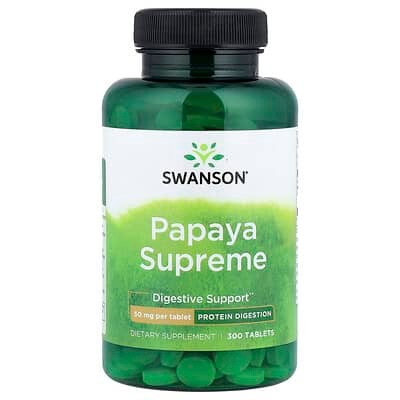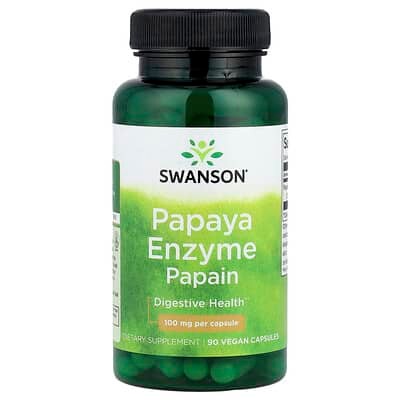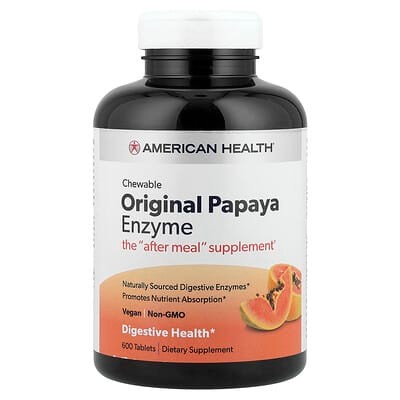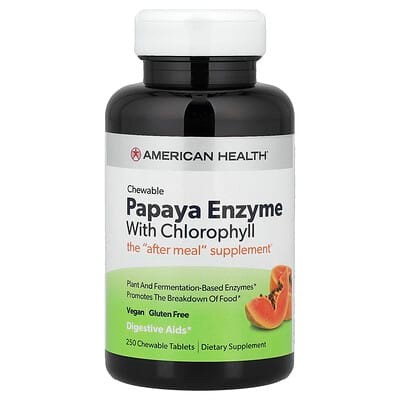
Papain

botanical

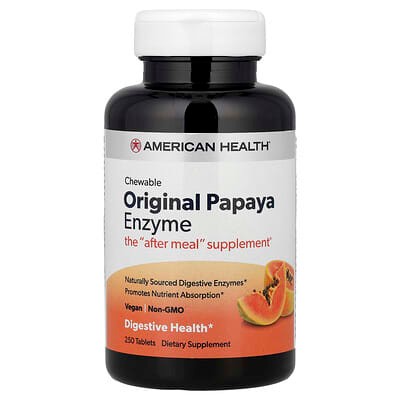
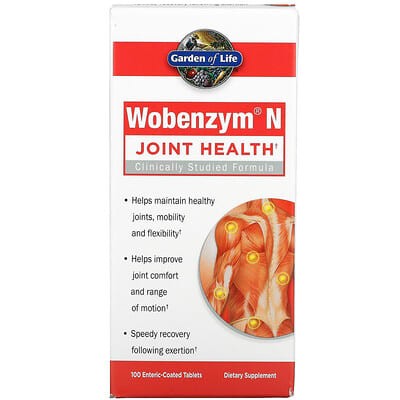
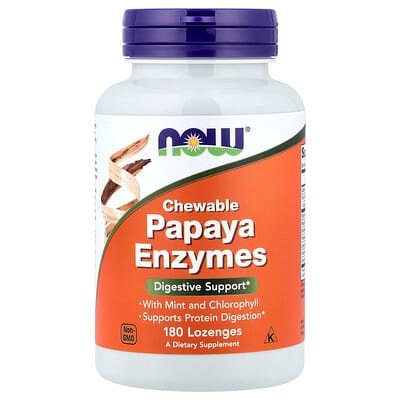
Papain is a proteolytic enzyme extracted from the latex of the unripe fruit and leaves of the papaya plant (Carica papaya). As a cysteine protease, it works by breaking down proteins into smaller peptides and amino acids, a process that supports healthy digestion. Beyond its digestive capabilities, papain exhibits anti-inflammatory and analgesic properties. It is often used to help reduce swelling and pain, making it a common ingredient in formulations for muscle recovery, joint health, and overall inflammatory support. The enzymatic action of papain also extends to topical applications, such as wound debridement for removing dead tissue and exfoliation in cosmetic products. Its broad protein-digesting activity contributes to its versatility in both internal and topical health applications.

Natural sources
Unripe papaya fruit (Carica papaya)Papaya leavesPapaya latex

No public comparison lists found.

Timing & Intake
AnytimeWith foodTake with Water, preferably with or just before meals for digestive benefits. For systemic anti-inflammatory effects, it may be taken between meals on an empty stomach, if tolerated.
Taking papain with food is generally recommended to support protein digestion. For anti-inflammatory benefits, it can be taken on an empty stomach, though some individuals might experience mild gastric discomfort.
Optimal Dosage
Minimum500 mg
Maximum1000 mg
Safety & Toxicity
5 safety notes
  • Individuals with known allergies to papaya, kiwi, fig, or latex should avoid papain due to potential cross-reactivity.
  • Pregnant or breastfeeding women should consult a healthcare professional before using papain.
  • Discontinue use if any signs of an allergic reaction, severe gastrointestinal distress, or unusual bleeding occur.
  • Exercise caution if you have a bleeding disorder or are scheduled for surgery, as papain may have mild blood-thinning effects.
  • Topical use may cause skin irritation, redness, or blistering in sensitive individuals; perform a patch test first.
Goals
Digestive Health
Impact
High effect
Typical dose:100–500 mg

Papain, from papaya, helps break down proteins into more easily absorbable components. When taken with meals, it can alleviate bloating and indigestion associated with high-protein foods, similar to bromelain.

Focuses on
Indigestion supportProtein breakdownBowel regularity
Most relevant for
Individuals seeking enzyme-based support for general digestive comfort.

Potential benefits

  • Potential Bloating Relief.Unconfirmed. Evidence from a whole papaya preparation suggests potential for reducing bloating, though it is unproven whether isolated papain provides the same benefit.
  • Protein Digestion Support.Unconfirmed. While used as a proteolytic enzyme to help break down proteins, human trials provided do not independently confirm papain's effectiveness for improving protein-related indigestion.

Limitations

  • Whole Fruit Preparation.Positive digestive outcomes were observed using a specific papaya preparation rather than isolated papain, making results difficult to apply to papain-only supplements.
  • Inconclusive for Heartburn.In trials involving papaya preparations, researchers did not find a statistically significant improvement for heartburn symptoms.
  • Temporary Benefits.Improvements in digestive symptoms associated with papaya preparations were not sustained after the intake period ended.
Things to consider

Oral papain can trigger allergic reactions in sensitized individuals, which may include abdominal cramps, diarrhea, and itching.

Study evidence

2 studies

The supplied evidence does not establish papain alone as a digestive aid. A papaya preparation improved constipation and bloating, but its effects cannot be attributed specifically to papain; oral papain also triggered allergic reactions, including digestive symptoms, in sensitized people.

View goal

Joint Health
Impact
Moderate effect
Typical dose:500–1500 mg

Papain, derived from papaya, can exhibit systemic anti-inflammatory effects when taken on an empty stomach, allowing it to be absorbed intact. It functions by helping to clear immune complexes and reduce swelling, which can alleviate discomfort in inflammatory joint conditions.

Focuses on
Lower back painOsteoarthritis symptomsPhysical functionInflammatory response
Most relevant for
Individuals with lower back osteoarthritis seeking supplemental support alongside standard anti-inflammatory care.

Potential benefits

  • Pain Score Improvement.Unconfirmed. When used in combination with other enzymes and standard medication, it may help reduce pain intensity in those with lumbar spine osteoarthritis.
  • Functional Support.Unconfirmed. May help improve disability and mobility scores when used as an adjunct to traditional anti-inflammatory treatments.

Limitations

  • Combination Therapy.Clinical evidence studied papain only as part of a blend with bromelain and prescription NSAIDs, so its individual effectiveness is unknown.
  • Narrow Clinical Scope.Research is currently limited to osteoarthritis of the lower spine; benefits for other joints or systemic joint health are not established.
  • No Structural Evidence.Existing data focuses on symptom relief rather than the ability to repair cartilage or prevent the progression of joint degeneration.
Things to consider

To target systemic joint inflammation rather than digestion, this enzyme must be taken on an empty stomach.

Study evidence

1 study

Preliminary research suggests a combination containing papain may help pain and disability associated with lower-back osteoarthritis. Because papain was combined with bromelain and an anti-inflammatory medicine, the evidence does not establish whether papain alone benefits joints or prevents joint damage.

View goal
Anti-Inflammatory Support
Impact
Situational effect
Typical dose:500–1500 mg

Similar to bromelain, papain is a proteolytic enzyme derived from papaya. When taken on an empty stomach, it acts systemically to break down inflammatory proteins, making it most useful for recovery from physical trauma, injury, or surgery, rather than for managing chronic systemic inflammation.

Focuses on
Acute inflammationPost-surgical recoveryTissue swellingEdemaPhysical trauma
Most relevant for
Individuals looking for enzyme-based support to manage swelling and localized pain following an injury or surgical procedure.

Potential benefits

  • Swelling Management.Unconfirmed. Papain is traditionally used to help break down proteins associated with localized swelling, though this benefit is unproven for this goal due to a lack of linked research.
  • Recovery Support.Unconfirmed. May assist in the body's response to acute physical trauma by addressing inflammatory byproducts, but clinical efficacy is currently unconfirmed.

Limitations

  • Absence of Data.No clinical studies were provided to establish the efficacy or safety of papain specifically for anti-inflammatory support.
  • Narrow Scope.This enzyme is primarily intended for acute injury recovery rather than long-term management of chronic inflammatory diseases.
  • Requirement for Empty Stomach.To achieve potential systemic effects, papain must be taken without food; otherwise, it will function as a digestive aid.
Things to consider

Use caution if you have a latex allergy, as cross-reactivity with papaya is common. Consult a healthcare professional if you are on blood-thinning medication, as proteolytic enzymes may affect coagulation.

Study evidence

No published studies for this goal yet.

View goal

Studies

Research connections will load here.
Sources

Up to five highest-ranked published examples per goal. Study counts and charts include all published studies for the connection.

  1. The incidence and clinical implications of hypersensitivity to papain in an allergic population, confirmed by blinded oral challenge.
    Mansfield LE; Ting S; Haverly RW; Yoo TJ · Annals of allergy · 1985
    Clinical trial500 participantsDigestive Health
  2. Papaya preparation (Caricol®) in digestive disorders
    Muss C, Mosgoeller W, Endler T · Neuro Endocrinology Letters · 2013
    Randomized trial76 participantsDigestive Health
  3. Efficiency of proteolytic enzymes in treating lumbar spine osteoarthritis (low back pain) patients and its effects on liver and kidney enzymes
    Naeem H, Naqvi SN, Perveen R, Ishaque F, Bano R, Abrar H, Arsalan A, Malik N · Pakistan Journal of Pharmaceutical Sciences · 2020
    Randomized trial40 participantsJoint Health