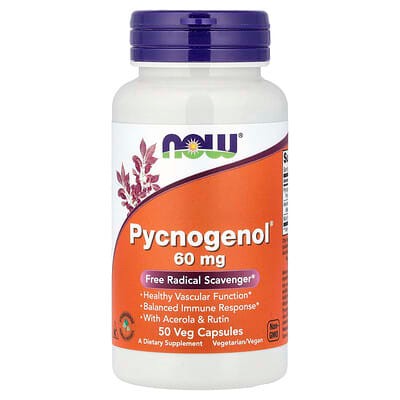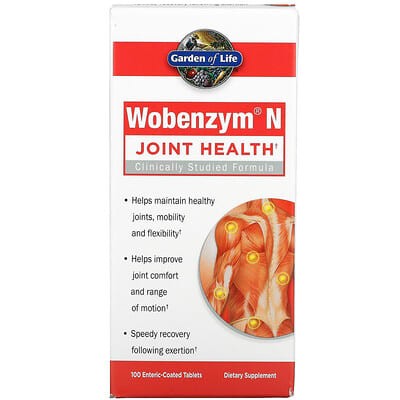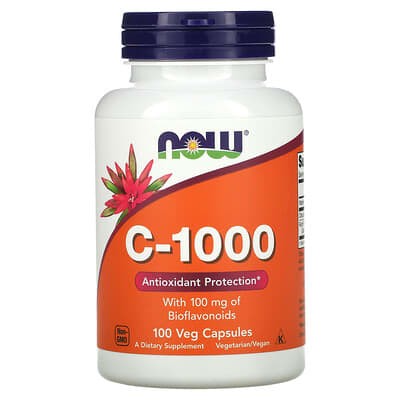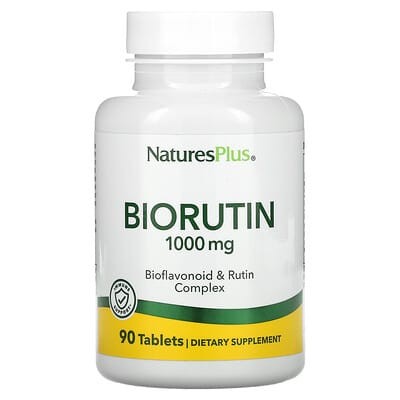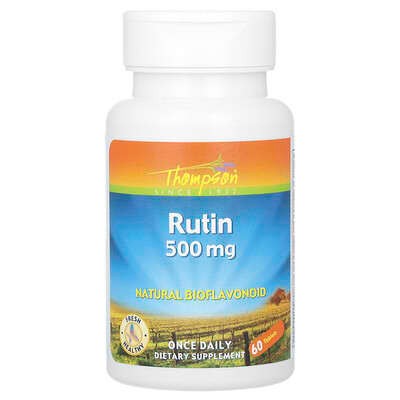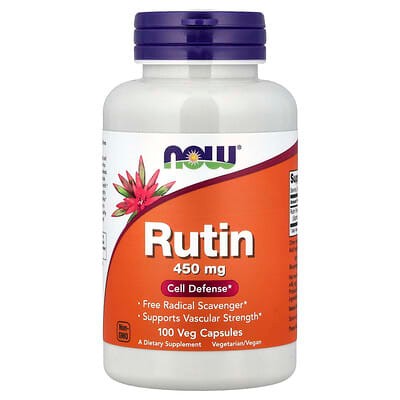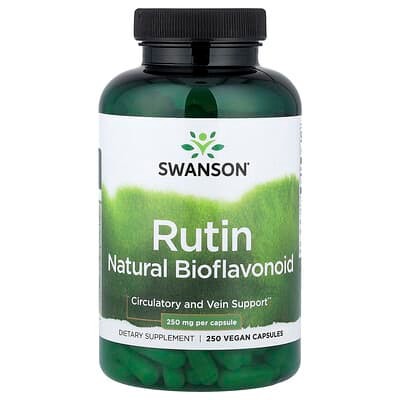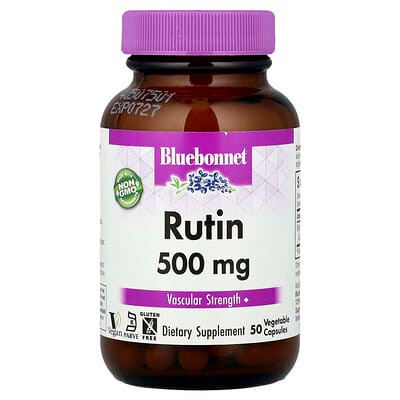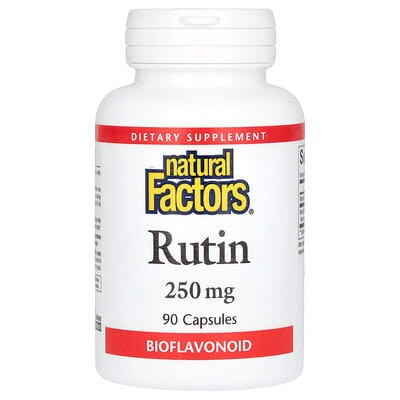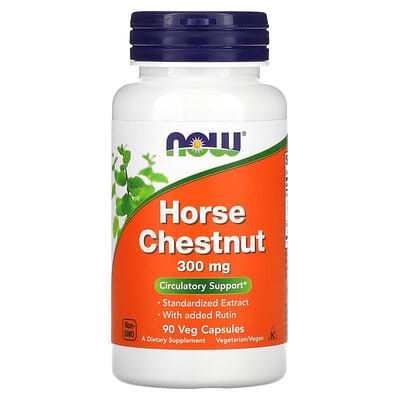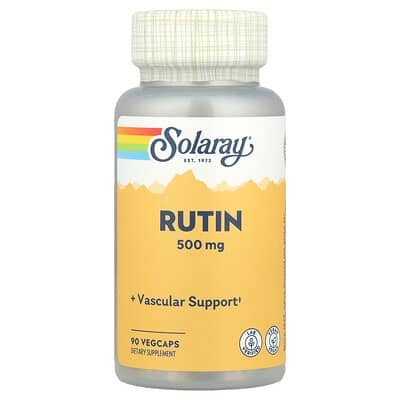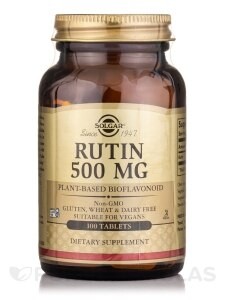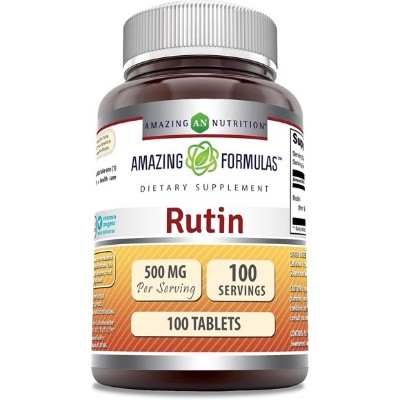
Rutin

botanical

Rutin is a potent bioflavonoid and flavonol glycoside found in a variety of plants. It is recognized for its antioxidant capabilities, which help protect cells from oxidative stress. This protective action contributes to overall cellular health and helps reduce free-radical damage associated with aging and disease. Beyond its antioxidant role, Rutin is used for its anti-inflammatory effects and its ability to support the integrity of capillaries and blood vessels. By helping to maintain capillary strength and reducing permeability, Rutin supports healthy blood circulation and can be beneficial for managing issues related to fragile vessels, such as bruising, spider veins, and swelling. Furthermore, Rutin may contribute to cardiovascular health by supporting healthy blood pressure and reducing cholesterol levels. Researchers also study its potential to work synergistically with other nutrients, particularly vitamin C.

Natural sources
BuckwheatApples (especially the peel)Citrus fruits (oranges, grapefruits, lemons)Berries (cranberries, mulberries)AsparagusBlack and green teaFigs

No public comparison lists found.

Timing & Intake
AnytimeWith foodTake with Vitamin C
Rutin can be taken with or without food, though taking it with a meal may help minimize potential stomach discomfort. It is frequently paired with Vitamin C for synergistic effects.
Optimal Dosage
Minimum300 mg
Maximum600 mg
Safety & Toxicity
4 safety notes
  • Pregnant or nursing women should consult a healthcare professional before use.
  • Individuals taking blood-thinning medications should consult a doctor due to potential interaction.
  • Discontinue use and consult a healthcare professional if adverse reactions occur.
  • Not recommended for individuals with a known allergy to rutin or any plant sources of rutin.
Goals
Vision Support
Impact
Moderate effect
Typical dose:250–1000 mg

Rutin helps strengthen the small blood vessels in the eye. This supports overall eye health and may be relevant to conditions involving vascular fragility, such as diabetic retinopathy. Its role is supportive compared with foundational nutrients such as lutein and zinc.

Focuses on
Retinal blood vessel healthCapillary integrityEye vascular support
Most relevant for
Individuals looking to support the health of the small blood vessels that supply the retina.

Potential benefits

  • Vascular integrity support.Unconfirmed. Rutin is theorized to support the strength of capillaries in the eye, though direct clinical evidence for general vision improvement is lacking and the benefit is unproven.
  • Retinal blood flow.Unconfirmed. Its bioflavonoid properties may help maintain eye circulation, but this effect has primarily been studied using specific drug derivatives for clinical conditions.

Limitations

  • Study population.Research focuses on patients with retinal vein occlusion, which may not apply to general eye health or routine vision support.
  • Ingredient form.Studies often utilize troxerutin, a pharmaceutical derivative, rather than standard Rutin supplements, making results difficult to generalize.
  • Preliminary evidence.Current findings are considered preliminary and have not been established through large-scale trials on Rutin itself for vision goals.

Study evidence

1 study

The supplied research does not establish a vision benefit from Rutin supplements. It concerns troxerutin used as a medical treatment for retinal vein occlusion, where preliminary improvements cannot be generalized to Rutin itself or to routine vision support.

View goal

Anti-Inflammatory Support
Impact
Situational effect
Typical dose:250–1000 mg

Rutin's primary benefits are related to vascular health, where it reduces capillary permeability and fragility, which can help with swelling and bruising. Its antioxidant and enzyme-inhibiting properties provide moderate anti-inflammatory effects, making it a strong situational choice, especially when combined with Vitamin C.

Focuses on
Inflammatory markersOxidative stressMetabolic health supportInterleukin-6 levelsAntioxidant activity
Most relevant for
Individuals seeking to manage markers of systemic inflammation, particularly those with metabolic health concerns.

Potential benefits

  • Inflammatory marker reduction.Clinical research indicates that rutin can lower levels of interleukin-6 (IL-6), a signaling protein involved in systemic inflammation, particularly in individuals with metabolic challenges.
  • Oxidative stress defense.Rutin helps decrease markers of oxidative stress, such as malondialdehyde, which serves to protect tissues from the oxidative damage that often drives inflammatory responses.
  • Symptom and pain relief.Unconfirmed. While rutin is used in combinations that reduce joint and post-operative pain, there is no established evidence that rutin alone provides these specific clinical benefits.

Limitations

  • Uncertain standalone impact.Most evidence for reduced physical symptoms like pain comes from studies using rutin in combination with enzymes like bromelain and trypsin, making its individual contribution unclear.
  • Low bioavailability.Rutin is recognized for its poor absorption profile; standard oral supplements may not deliver the same levels used in successful laboratory or specialized delivery models.
  • Narrow clinical evidence.The strongest standalone anti-inflammatory findings for rutin are limited to specific populations, such as those with type 2 diabetes, and may not apply to the general public.

Study evidence

6 studies

Rutin shows early potential to reduce inflammatory activity, but direct human evidence for the ingredient alone is limited. Improvements in pain and inflammation with enzyme combinations containing rutin cannot establish how much rutin contributes, and laboratory findings do not confirm a general supplement benefit.

View goal
Cardiovascular Support
Impact
Situational effect
Typical dose:250–1000 mg

Rutin helps maintain the structural integrity of small blood vessels (capillaries), reducing their fragility and permeability. This action supports healthy circulation and can be beneficial for conditions related to venous insufficiency. Its antioxidant properties also contribute to protecting the vascular system from oxidative stress.

Focuses on
Blood pressure markersLipid profileVenous circulationCapillary integrityAntioxidant status
Most relevant for
Individuals seeking to manage cardiovascular risk markers like blood pressure and cholesterol, or those addressing venous circulation issues.

Potential benefits

  • Blood Pressure Management.Clinical studies in patients with type 2 diabetes indicate that rutin may help lower systolic and diastolic blood pressure and improve heart rate markers.
  • Support for Healthy Lipids.Rutin has been observed to improve cholesterol profiles by lowering LDL and triglycerides while increasing HDL in specific metabolic contexts.
  • Venous Microcirculation Support.Evidence suggests that rutoside derivatives can improve microcirculation and reduce leg swelling associated with chronic venous insufficiency.

Limitations

  • Primarily Studied in T2DM.Most evidence for blood pressure and lipid improvements is derived from studies on individuals with type 2 diabetes; benefits for healthy adults are not established.
  • Rutoside vs. Rutin.Clinical benefits for venous health often involve specific rutoside preparations, which may have different absorption or effects than standard rutin supplements.
  • No Long-term Event Data.Research focuses on intermediate biomarkers and does not prove that rutin prevents major cardiovascular events like heart attacks or strokes.
Things to consider

Safety during pregnancy has not been established, despite research on the use of rutosides for pregnancy-related leg swelling.

Study evidence

4 studies

Rutin may improve blood pressure and some cardiovascular risk markers in people with type 2 diabetes, but the evidence is preliminary. Research on related rutoside medicines concerns venous symptoms and cannot establish that rutin supplements prevent heart attacks or other cardiovascular events.

View goal

Studies

Research connections will load here.
Sources

Up to five highest-ranked published examples per goal. Study counts and charts include all published studies for the connection.

  1. A randomized, double-masked study on the treatment of retinal vein occlusion with troxerutin
    Glacet-Bernard A, Coscas G, Chabanel A, Zourdani A, Lelong F, Samama MM · American Journal of Ophthalmology · 1994
    Randomized trial53 participantsVision Support
  2. The effects of rutin flavonoid supplement on glycemic status, lipid profile, atherogenic index of plasma, brain-derived neurotrophic factor (BDNF), some serum inflammatory, and oxidative stress factors in patients with type 2 diabetes mellitus: A double-blind, placebo-controlled trial.
    Bazyar H; Moradi L; Zaman F; Zare Javid A · Phytotherapy research : PTR · 2023
    Randomized trial50 participantsCardiovascular SupportAnti-Inflammatory Support
  3. Rutin ameliorates inflammation and improves metabolic function: A comprehensive analysis of scientific literature.
    Muvhulawa N; Dludla PV; Ziqubu K; Mthembu SXH; Mthiyane F; Nkambule BB; Mazibuko-Mbeje SE · Pharmacological research · 2022
    Systematic reviewAnti-Inflammatory Support
  4. Rutin-loaded chitosan microspheres: Characterization and evaluation of the anti-inflammatory activity.
    Cosco D; Failla P; Costa N; Pullano S; Fiorillo A; Mollace V; Fresta M; Paolino D · Carbohydrate polymers · 2018
    OtherAnti-Inflammatory Support
  5. Oral enzyme combination therapy reduces systemic inflammation, urinary CTXII and pain in knee osteoarthritis: a proof-of-mechanism, randomised, crossover, double-blind, placebo-controlled trial.
    Henrotin Y; Pap T; Lieten S; Badot V; Dubuc JE; Urbin-Choffray D; von Eynatten M; Johansen OE; Rau S; Brabants K · RMD open · 2025
    Randomized trial45 participantsAnti-Inflammatory Support
  6. The Impact of the Combination of Proteolytic Enzyme and Rutin on the Post-operative Management of Inflammation: A Randomized, Controlled, Double-Blind, Comparative Clinical Trial
    Rathi PC, Rathi CL, Risbud SP, Ganu GP · Cureus · 2024
    Randomized trial65 participantsAnti-Inflammatory Support
  7. The effects of rutin supplement on blood pressure markers, some serum antioxidant enzymes, and quality of life in patients with type 2 diabetes mellitus compared with placebo.
    Bazyar H; Zare Javid A; Ahangarpour A; Zaman F; Hosseini SA; Zohoori V; Aghamohammadi V; Yazdanfar S; Ghasemi Deh Cheshmeh M · Frontiers in nutrition · 2023
    Randomized trial50 participantsCardiovascular Support
  8. Interventions for varicosities and leg oedema in pregnancy.
    Young GL; Jewell D · The Cochrane database of systematic reviews · 2000
    Systematic review115 participants3 studies pooledCardiovascular Support
  9. HR (Paroven, Venoruton; 0-(beta-hydroxyethyl)-rutosides) in venous hypertensive microangiopathy: a prospective, placebo-controlled, randomized trial
    Incandela L, Belcaro G, Renton S, DeSanctis MT, Cesarone MR, Bavera P, Ippolito E, Bucci M, Griffin M, Geroulakos G, Dugall M, Golden G, Acerbi G · Journal of Cardiovascular Pharmacology and Therapeutics · 2002
    Randomized trial60 participantsCardiovascular Support