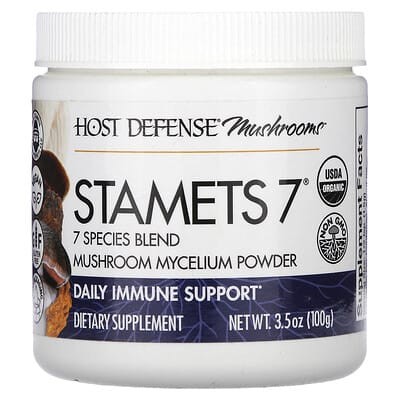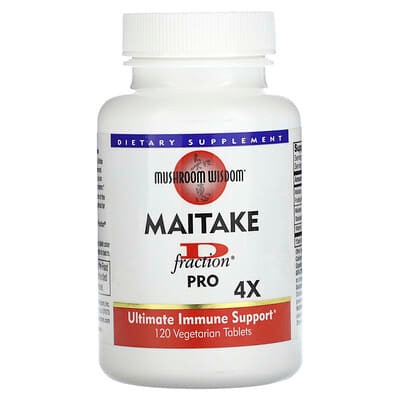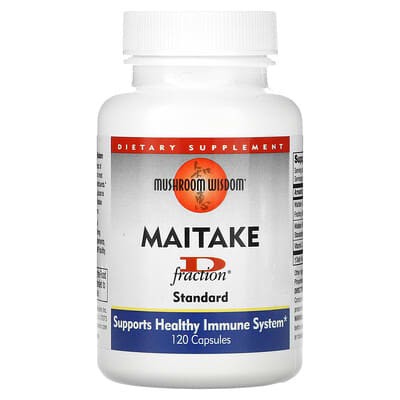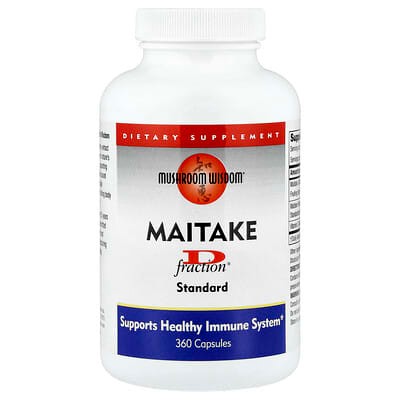
Maitake Mushroom

Description

Maitake mushroom is a culinary and medicinal fungus native to temperate regions of Asia, Europe, and North America. It typically grows at the base of trees, especially oak, elm, and maple, and is characterized by its large, frilly, overlapping caps. This mushroom is prized for its earthy, rich flavor and meaty texture, making it a popular ingredient in various cuisines. Beyond its culinary appeal, Maitake is extensively studied for its bioactive compounds, particularly beta-glucans. These polysaccharides are believed to be responsible for many of its health-promoting properties, including immune modulation and potential support for metabolic health. It also contains various vitamins, minerals, and amino acids. Historically, Maitake has been a staple in traditional Japanese and Chinese medicine, where it was used to support vitality, immune function, and overall well-being. Modern research continues to explore its potential applications, solidifying its reputation as a valuable functional food and dietary supplement.

Sources
Base of oak treesBase of elm treesBase of maple treesDeciduous forests in temperate regions
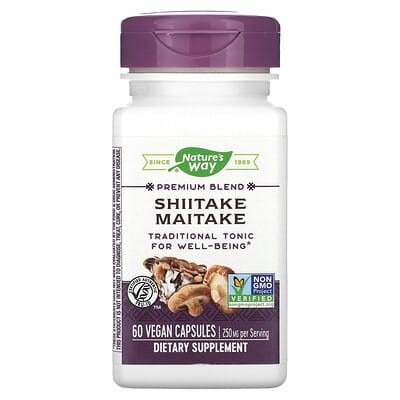
Cheapest Maitake Mushroom supplements
Find the most affordable Maitake Mushroom supplements to support your immunity without breaking the bank.
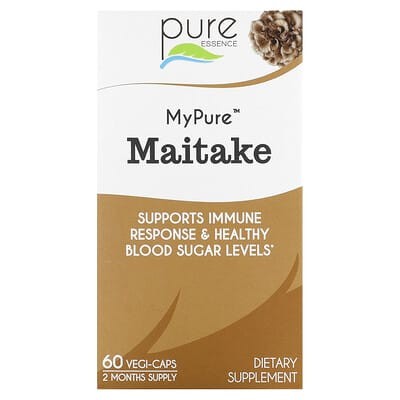
Best Maitake Mushroom supplements
Discover the best Maitake Mushroom supplements to support your immune system and overall wellness.
Value Maitake Mushroom supplements
Explore and compare Maitake Mushroom botanical supplements, offering excellent value for supporting your immunity goals.
Timing & Intake
AnytimeWith food
Maitake can generally be taken at any time of day, with or without food. Taking it with food may help mitigate potential mild digestive upset.
Optimal Dosage
Minimum500 mg
Maximum2000 mg
Safety & Toxicity
Interactions

Negative Interactions

Fish Oil
Maitake may possess mild anticoagulant properties. Combining with Fish Oil (rich in EPA/DHA, which also have mild blood-thinning effects) could theoretically increase the risk of bruising or bleeding in sensitive individuals, especially at high doses.
EPA (Eicosapentaenoic Acid)
Given Maitake's potential mild anticoagulant properties, combining it with EPA (known for mild blood-thinning effects) could theoretically increase the risk of bruising or bleeding in sensitive individuals, especially at high doses.
DHA
Considering Maitake's potential mild anticoagulant properties, combining it with DHA (which can also have mild blood-thinning effects) could theoretically increase the risk of bruising or bleeding in sensitive individuals, especially at high doses.
Vitamin E
High doses of Vitamin E can have mild anticoagulant effects. Combining with Maitake, which may also possess mild anticoagulant properties, could theoretically enhance this effect and increase the risk of bleeding.
Turmeric
Turmeric is known for mild anticoagulant properties. Combining it with Maitake, which may also have mild blood-thinning effects, could theoretically lead to an increased risk of bruising or bleeding.
Curcumin
Curcumin, the active compound in Turmeric, is known for mild anticoagulant properties. Combining it with Maitake, which may also have mild blood-thinning effects, could theoretically lead to an increased risk of bruising or bleeding.
Ginger
Ginger may possess mild antiplatelet effects. When combined with Maitake, which may also have mild anticoagulant properties, there could be an additive effect that theoretically increases the risk of bruising or bleeding, particularly in sensitive individuals.
Price per product
Average$27.72
Median$22.97
Price per serving
Average$0.77
Median$0.76
Price per 10 mg
Average$0.10
Median$0.10
Price distribution
Price per serving distribution
Price per 10 mg
Reference amount: 10 mg
Forms
Paired ingredients
D-fraction (5)90
D-fraction is a unique beta-glucan protein complex derived from the Maitake mushroom (Grifola frondosa). It is standardized to contain a specific polysaccharide structure (beta-1,6-glucan branched with beta-1,3-glucans) that research indicates strongly activates various immune cells, including macrophages, natural killer (NK) cells, and T-cells. Its immunomodulatory effects have been studied in various contexts.
Pros
  • Highly concentrated active compound
  • Extensively studied for immune support
  • Specific mechanism of action
Cons
  • Can be more expensive than whole mushroom extracts
  • Specific isolation process required
Per product
Avg$43.87
Med$33.89
Per serving
Avg$0.21
Med$0.21
Per 10 mg
Avg$0.12
Med$0.11
Price distribution
Grifola frondosa (2)80
Grifola frondosa is the botanical name for Maitake mushroom, an edible polypore mushroom native to North America, Europe, and Asia. When used as a supplement, it typically refers to the dried, powdered whole mushroom or a standardized extract of the whole mushroom. It contains a complex array of bioactive compounds, including beta-glucans, polysaccharides, triterpenes, and ergosterols, contributing to its adaptogenic and immunomodulatory properties.
Pros
  • Whole food source
  • Contains a spectrum of beneficial compounds beyond just beta-glucans
  • Generally well-tolerated
Cons
  • Potency can vary depending on growing conditions and processing
  • May contain less concentrated active compounds than specific extracts
Per product
Avg$22.62
Med$22.62
Per serving
Avg$0.49
Med$0.49
Per 100 mg
Avg$0.15
Med$0.15
Price distribution
Maitake Fruiting Body Extract (2)88
Maitake Fruiting Body Extract is produced by extracting beneficial compounds from the fruiting body (the visible mushroom part) of Grifola frondosa. This process concentrates the active polysaccharides, particularly beta-glucans, which are well-known for their immune-enhancing properties. Extracts often undergo standardization to ensure a consistent level of these bioactive compounds, offering a more potent and reliable dose compared to plain mushroom powder.
Pros
  • Higher concentration of active compounds than whole powder
  • Often standardized for potency
  • More effective delivery of immune-modulating constituents
Cons
  • May lack some minor compounds present in the whole mushroom
  • Extraction methods can vary in quality
Per product
Avg$32.95
Med$32.95
Per serving
Avg$0.55
Med$0.55
Per 10 mg
Avg$0.14
Med$0.14
Price distribution
Oats (1)10
Oats (Avena sativa) are a widely cultivated cereal grain rich in soluble fiber, especially oat beta-glucan, which is recognized for its cholesterol-lowering and blood sugar-regulating properties. While oats contain beta-glucans, these are chemically different from the beta-glucans found in Maitake mushrooms and do not offer the same specific immunomodulatory profile. This form is entirely unrelated to Maitake mushroom.
Pros
  • Excellent source of dietary fiber
  • Supports heart health and digestion
  • Widely available and affordable
Cons
  • Not a source of Maitake-specific compounds
  • Does not provide the unique immune benefits attributed to Maitake
Per product
Avg$22.95
Med$22.95
Per serving
Avg$0.76
Med$0.76
Per 100 mg
Avg$0.25
Med$0.25
Price distribution
Polysaccharides (1)85
Polysaccharides are large carbohydrate molecules composed of many monosaccharide units joined together. In Maitake mushroom, polysaccharides, particularly beta-glucans (like D-fraction), are the primary bioactive compounds responsible for its immune-enhancing and adaptogenic properties. While 'Polysaccharides' is a broad term, Maitake supplements often refer to extracts standardized for a total polysaccharide content, indicating the presence of these beneficial complex sugars.
Pros
  • Encompasses the main active immune-supporting compounds
  • Can be standardized for content
Cons
  • Less specific than D-fraction regarding exact beta-glucan structure
  • Total polysaccharide content doesn't always specify the most active beta-glucan types
Per product
Avg$29.99
Med$29.99
Per serving
Avg$0.99
Med$0.99
Per 10 mg
Avg$0.20
Med$0.20
Price distribution