Impact
Moderate effect
Typical dose:750–1500 mg
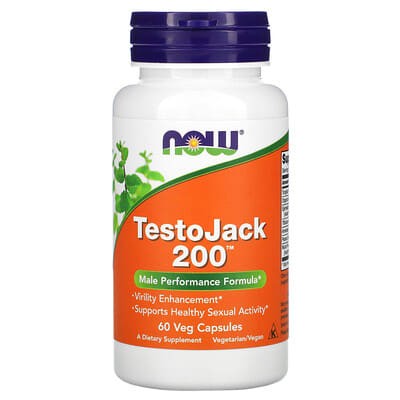
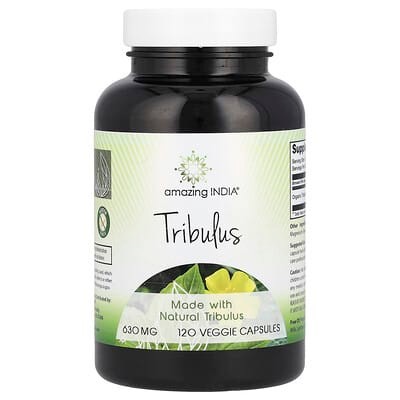
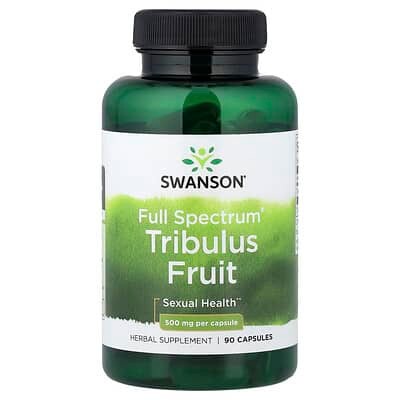
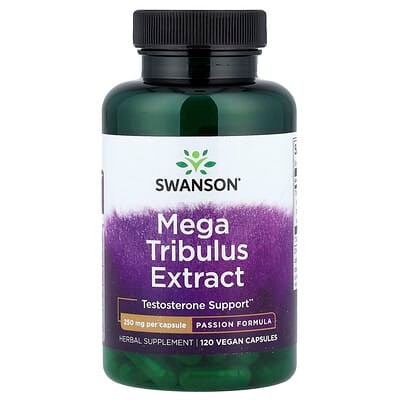
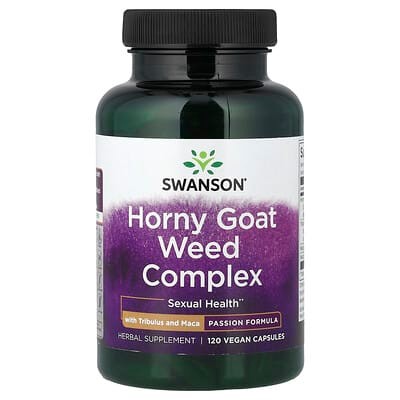
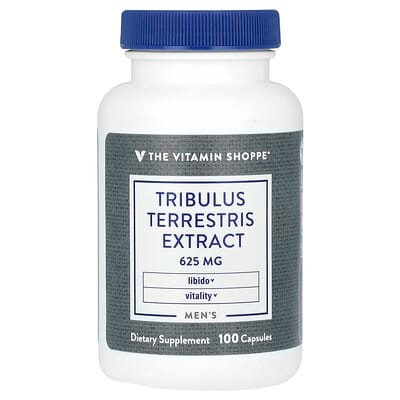
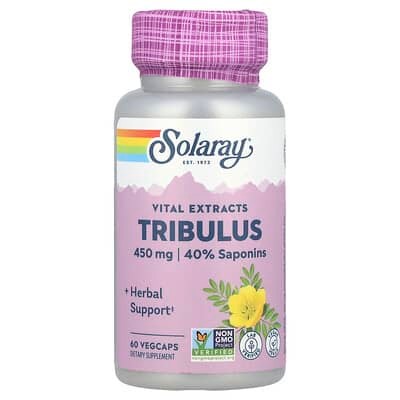
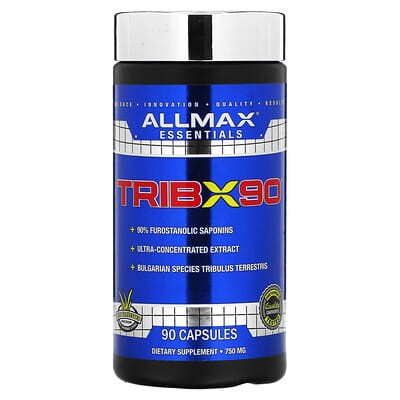
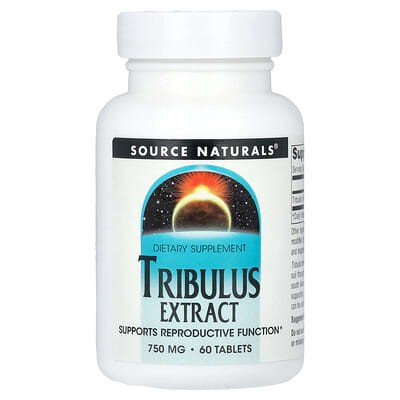
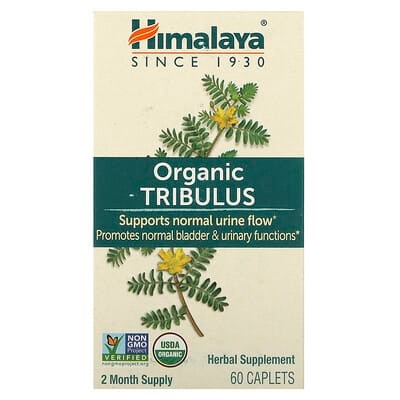
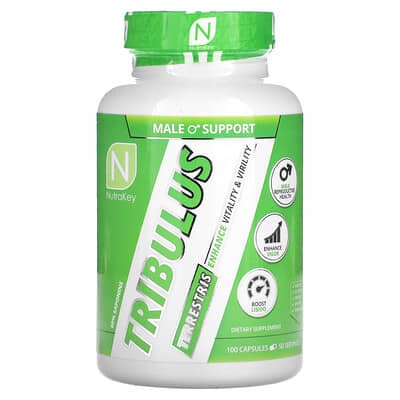
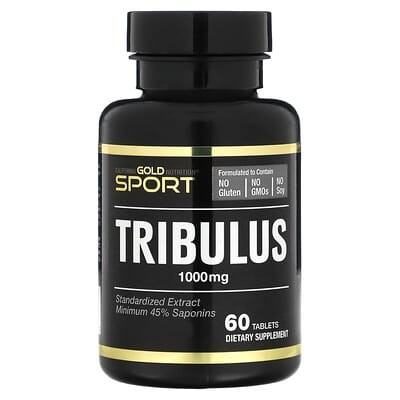
Tribulus terrestris is a traditional herb often taken to support healthy hormonal balance, especially concerning testosterone. While studies on direct testosterone increase in healthy young men are mixed, it is consistently linked to improvements in libido, sexual function, and overall male vitality, which are often associated with optimal testosterone levels. It may act by increasing luteinizing hormone (LH) or affecting androgen receptors.
Study evidence
13 studiesTribulus is not supported as a reliable testosterone booster, particularly for men whose levels are already normal. Some research reports increases in selected clinical populations, but the findings are inconsistent, and improvements in sexual function do not necessarily indicate higher testosterone.
View goal