Impact
Situational effect
Typical dose:100–300 mg
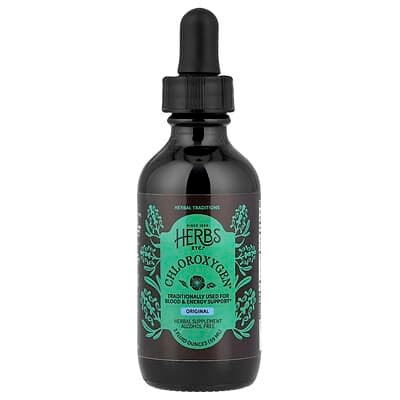
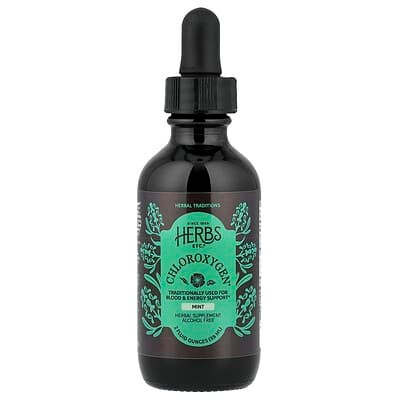
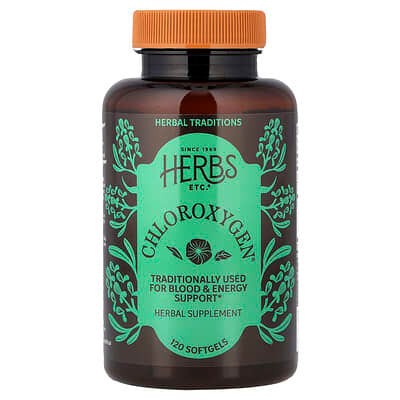
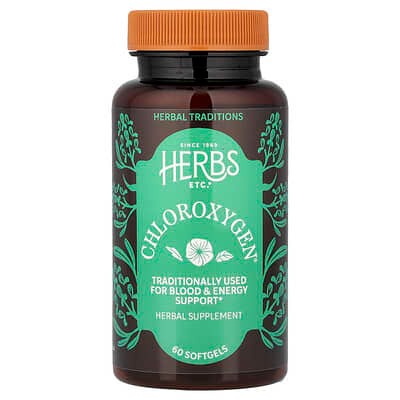
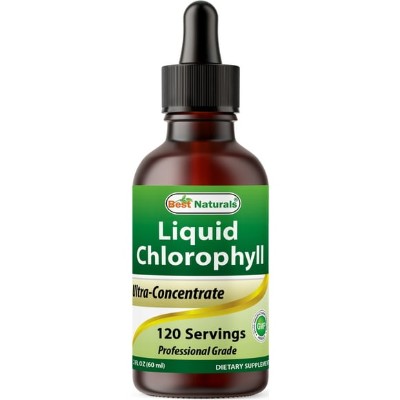
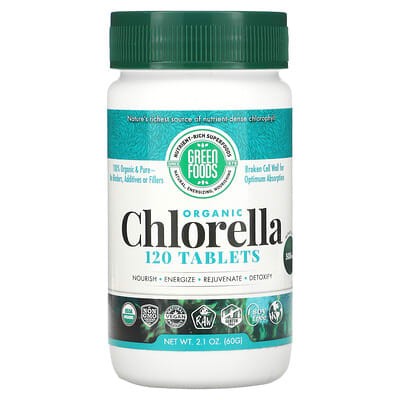
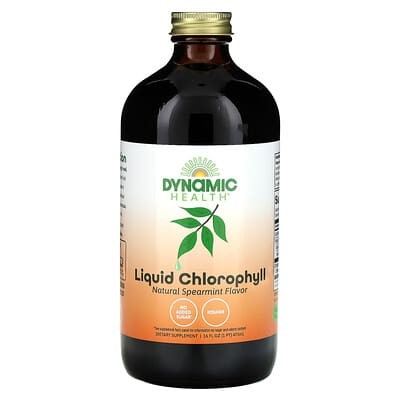
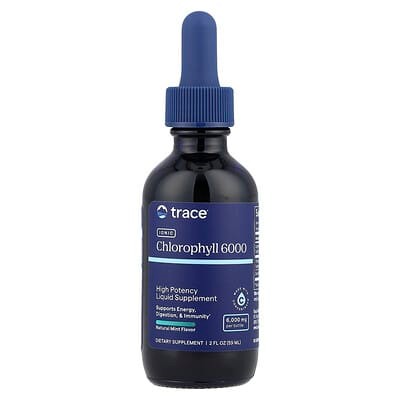
Chlorophyll acts as an internal deodorant and has antioxidant properties that can help protect cells from oxidative stress. While some evidence suggests it may reduce inflammation and aid in healing, its direct, high-impact benefits for skin when taken orally are less established than other targeted antioxidants.
Study evidence
2 studiesChlorophyll-based preparations have shown promise in specialized light treatments for skin conditions, but this evidence does not establish that oral chlorophyll improves skin health. The observed benefits involved specific treatment formulations and light exposure, rather than chlorophyll supplementation alone.
View goal