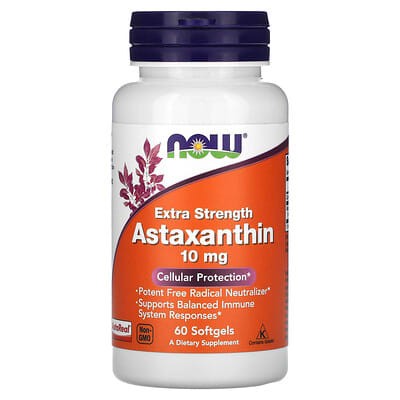
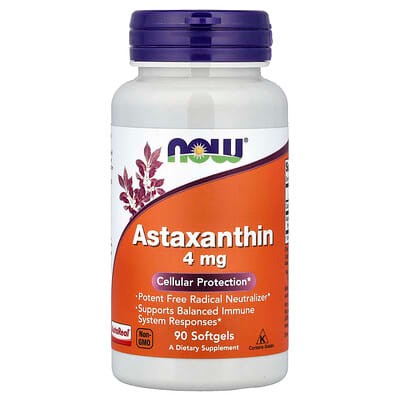
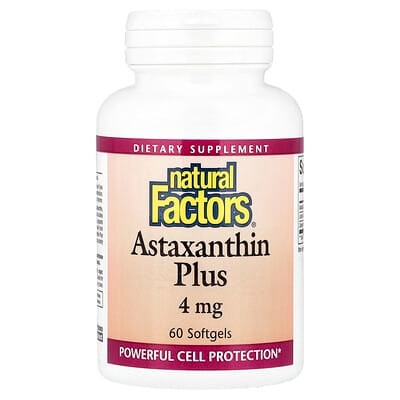
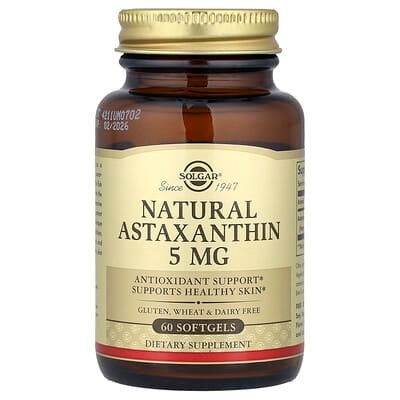
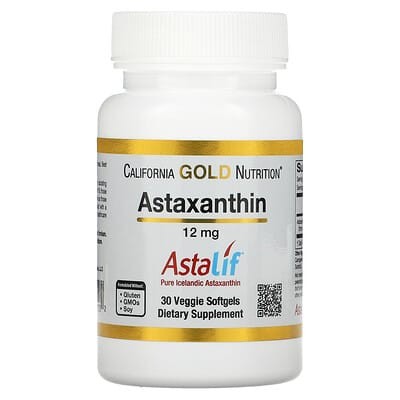
Astaxanthin

non-nutrient_non-botanical

Astaxanthin is a keto-carotenoid within the terpene class of phytochemicals. Primarily sourced from the microalga Haematococcus pluvialis, this pigment gives salmon and shrimp their characteristic hue. Its molecular structure allows it to span cell membranes, providing cellular protection against free radical damage. Its antioxidant capacity is significantly higher than that of several familiar antioxidants, including vitamin E and beta-carotene. This allows the compound to neutralize free radicals and singlet oxygen without becoming a pro-oxidant. It also has anti-inflammatory effects through its influence on signaling pathways involved in inflammation. Supplementation is often used to support eye health, skin elasticity, reduced UV damage, and cardiovascular function. It may also assist with muscle recovery and athletic performance by contributing to cellular protection and reducing oxidative stress.

Natural sources
Haematococcus pluvialis microalgaeSalmonTroutKrillShrimpCrabLobster

No public comparison lists found.

Optimal Dosage
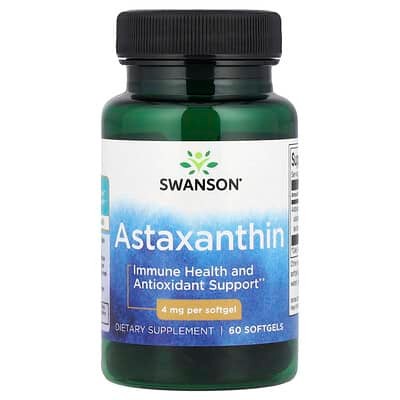
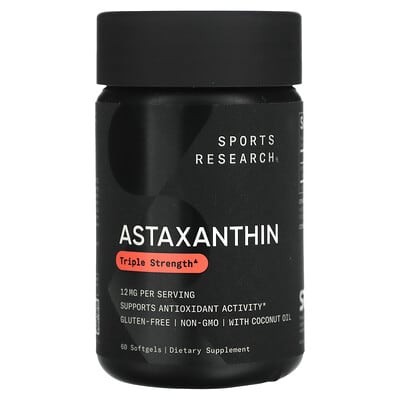
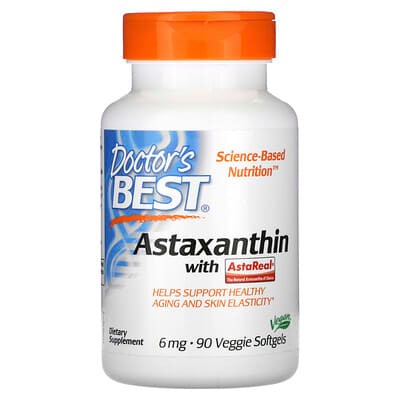
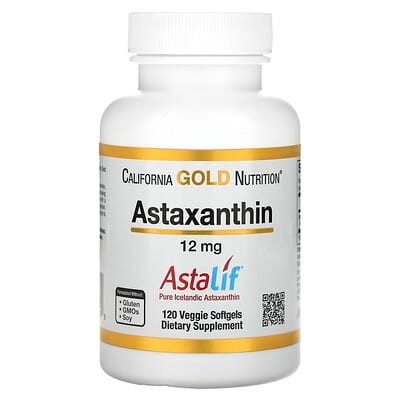
Minimum4 mg
Maximum12 mg
Safety & Toxicity
Upper Limit (UL)40 mg
Toxicity Threshold80 mg
Toxicity EffectSkin discoloration, stomach pain
4 safety notes
  • Pregnant or nursing women should consult a healthcare professional before use.
  • Individuals with allergies to shellfish should exercise caution if the astaxanthin source is not specified as algae-derived.
  • Individuals with certain medical conditions (e.g., autoimmune disorders, low blood pressure) should consult a healthcare professional.
  • May affect blood pressure readings.
Goals
Anti-Aging
Impact
High effect
Typical dose:4–12 mg

Astaxanthin's unique molecular structure allows it to span the entire cell membrane, providing comprehensive protection against free radical damage. It can cross the blood-brain and blood-retinal barriers, offering targeted antioxidant support to these critical tissues.

Focuses on
Skin ElasticitySkin HydrationOxidative StressAntioxidant Support
Most relevant for
Individuals seeking to address visible skin aging and reduce markers of systemic oxidative stress.

Potential benefits

  • Improved Skin Hydration and Elasticity.Clinical meta-analysis of multiple trials indicates that oral supplementation significantly restores moisture content and improves skin elasticity, supporting a more youthful skin appearance.
  • Reduction of Oxidative Stress Markers.Research in older adults suggests that daily intake can lower markers of oxidative damage, such as oxidized LDL, which typically increase with age.
  • Protection Against Functional Decline.Unconfirmed. While its antioxidant properties are well-documented in labs, human evidence for slowing overall age-related functional decline or extending lifespan remains unproven.

Limitations

  • Minimal Impact on Wrinkle Depth.A meta-analysis of human trials found that while skin texture improves, there was no statistically significant reduction in the actual depth of facial wrinkles compared to placebo.
  • Uncertainty in Isolated Effects.Some evidence for reduced oxidative stress involves formulations combined with cocoa products, making it difficult to isolate the exact benefits of astaxanthin alone for certain markers.
  • Lack of Long-Term Longevity Data.Available human studies focus on short-term markers of skin and blood health; there is no direct evidence that it influences the fundamental rate of biological aging.

Study evidence

4 studies

Astaxanthin may improve skin moisture and elasticity, but the available research does not establish that it slows aging overall. Evidence for reducing wrinkles is less consistent, and changes in antioxidant markers do not demonstrate longer life or protection from age-related decline.

View goal
Anti-Inflammatory Support
Impact
High effect
Typical dose:4–12 mg

Astaxanthin is a unique antioxidant that can span the entire cell membrane, offering superior protection against oxidative damage. By reducing oxidative stress, it helps lower key inflammatory markers like C-reactive protein (CRP) and is particularly beneficial for skin, eye, and joint health.

Focuses on
C-reactive protein levelsInterleukin-6 reductionOxidative stress markersMetabolic inflammationClinical disease activity
Most relevant for
Individuals with metabolic or chronic inflammatory conditions, such as type 2 diabetes or rheumatoid arthritis, seeking to lower systemic inflammatory markers.

Potential benefits

  • Reduction of Systemic Markers.Meta-analyses and trials indicate potential reductions in C-reactive protein (CRP) and Interleukin-6 (IL-6), particularly in populations with existing metabolic stress.
  • Decreased Oxidative Stress.Helps lower malondialdehyde (MDA) levels, a marker of lipid peroxidation, which is often elevated during inflammatory processes.
  • Adjunctive Clinical Support.May improve disease-specific inflammation markers and clinical scores in patients with rheumatoid arthritis or pneumonia when used alongside standard care.

Limitations

  • Inconsistent Exercise Recovery.Multiple trials in healthy runners and cyclists found no significant impact on exercise-induced cytokines or oxidative stress markers.
  • Mixed Marker Sensitivity.While IL-6 often shows reduction, effects on other key markers like TNF-alpha are frequently reported as non-significant across diverse studies.
  • Population Constraints.Favorable anti-inflammatory results are primarily seen in clinical populations; evidence for benefits in healthy adults or renal transplant recipients is weak or absent.
Things to consider

In healthy individuals, higher doses around 8mg may increase certain immune markers like interferon-gamma, while lower doses may be more effective for CRP reduction.

Study evidence

18 studies

Astaxanthin may reduce selected inflammatory markers, particularly in people with certain health conditions, but findings are inconsistent. Benefits are less clear in healthy exercisers, and changes in blood markers do not by themselves establish broad protection from inflammatory illness.

View goal
Cardiovascular Support
Impact
High effect
Typical dose:4–12 mg

Astaxanthin is a carotenoid with a unique molecular structure that allows it to span cell membranes, providing superior antioxidant protection. It has been shown in clinical studies to reduce oxidative stress, improve blood rheology (flow), and lower lipid peroxidation, making it a highly effective cardiovascular protector.

Focuses on
Lipid balanceOxidative protectionInflammatory markersBlood flowMetabolic risk
Most relevant for
Individuals with prediabetes or dyslipidemia seeking to manage blood fat markers and systemic inflammation.

Potential benefits

  • Lipid Profile Improvement.Unconfirmed. Some meta-analyses suggest it may lower LDL cholesterol and triglycerides while raising HDL, particularly in those with metabolic concerns, though results are inconsistent across all studies.
  • Vascular Inflammation Support.Unconfirmed. High-dose or long-term supplementation has been linked to reduced levels of inflammatory markers like C-reactive protein and TNF-alpha in patients with heart failure or obesity.
  • Antioxidant Protection.Unconfirmed. The unique molecular structure may help protect cell membranes and lipids from oxidative damage, which is a key factor in maintaining vascular health.

Limitations

  • Inconsistent Clinical Results.Multiple meta-analyses report conflicting findings, with some showing no significant effect on total cholesterol, blood pressure, or glucose levels in general populations.
  • Surrogate Marker Focus.Research currently focuses on risk markers like blood lipids rather than direct evidence of preventing heart attacks, strokes, or other clinical cardiovascular events.
  • Unproven Blood Pressure Effects.Available pooled data does not consistently demonstrate that astaxanthin supplementation significantly reduces systolic or diastolic blood pressure.

Study evidence

12 studies

Astaxanthin may improve some cholesterol and inflammation markers, particularly in people with metabolic or heart conditions, but findings are inconsistent. The available research does not establish that these changes prevent cardiovascular events or reliably improve heart health.

View goal
Cognitive Support
Impact
High effect
Typical dose:4–12 mg

Astaxanthin is a unique carotenoid with exceptionally potent antioxidant activity. Its ability to cross the blood-brain barrier allows it to directly protect brain cells from free radical damage and inflammation, which are key factors in age-related cognitive decline.

Focuses on
Word recallTask accuracyProcessing speedLearning performanceAge-related forgetfulness
Most relevant for
Middle-aged and older adults concerned with age-related forgetfulness or mild cognitive impairment.

Potential benefits

  • Word Memory and Learning.Unconfirmed. Preliminary research suggests potential improvements in word recall and learning speed, but this cognitive benefit remains unproven as results often do not differ significantly from placebo.
  • Information Processing Speed.Unconfirmed. While improvements in processing speed have been observed in studies using combination supplements, the benefit of astaxanthin alone for this goal has not been established.
  • Cognitive Accuracy.Unconfirmed. A weak trend toward better task accuracy has been noted in meta-analyses, but current evidence is insufficient to prove a consistent cognitive benefit over 8 to 12 weeks.

Limitations

  • Weak Statistical Significance.Multiple human trials indicate that while participants may show subjective improvement, there is often no statistically significant difference when compared to a placebo.
  • Reliance on Combination Formulas.Favorable findings regarding processing speed often involve supplements that combine astaxanthin with other ingredients, making the standalone effects of astaxanthin unclear.
  • Restricted Subgroup Benefits.Observed benefits for memory are frequently limited to specific age subgroups, such as those aged 45-54, and do not appear consistently in older populations.

Study evidence

6 studies

Astaxanthin has shown possible benefits for some memory and thinking measures, but overall improvements over placebo are inconsistent. The available human research does not establish a reliable cognitive benefit, and favorable results from combination supplements cannot be attributed to astaxanthin alone.

View goal
Heart Health
Impact
High effect
Typical dose:4–12 mg

As a potent lipid-soluble antioxidant, astaxanthin integrates into cell membranes, offering superior protection against peroxidation. It has been shown to reduce markers of inflammation and oxidation, lower triglycerides, and improve circulation by enhancing the flexibility of red blood cells.

Focuses on
HDL cholesterolTriglyceride levelsOxidative stressC-reactive proteinLipid metabolism
Most relevant for
Adults with metabolic risks or dyslipidemia looking to improve blood fat markers and cardiovascular antioxidant status.

Potential benefits

  • Blood Lipid Management.Meta-analyses indicate that astaxanthin can significantly increase HDL (good) cholesterol and reduce triglyceride levels, especially in those with pre-existing metabolic concerns.
  • Oxidative Stress Reduction.Clinical trials demonstrate that supplementation can lower markers of lipid damage and boost antioxidant enzymes like superoxide dismutase in heart failure and overweight populations.
  • Inflammatory Marker Support.At higher doses, research shows potential for reducing specific inflammatory proteins like C-reactive protein (CRP) and TNF-alpha when used for 12 weeks or longer.

Limitations

  • Inconsistent LDL Impact.While some trials show benefits, multiple meta-analyses found no significant effect on LDL (bad) cholesterol or total cholesterol levels in the general population.
  • Lacks Outcome Data.Current evidence is restricted to laboratory markers and symptoms; it has not been shown to prevent major cardiovascular events like heart attacks or strokes.
  • Variable Blood Pressure Effects.Studies on blood pressure reduction have produced mixed results, with significant effects often limited to specific diabetic populations and absent in others.
Things to consider

Impact on inflammatory markers like CRP may require dosages exceeding 12mg daily and consistent use for at least 12 weeks.

Study evidence

16 studies

Astaxanthin may improve some blood fats and markers related to heart health, particularly in people with metabolic conditions, but results vary. The available research does not establish that these changes prevent heart attacks or other major cardiovascular problems.

View goal
Skin Health
Impact
High effect
Typical dose:4–12 mg

Astaxanthin is a potent carotenoid that accumulates in the skin, providing protection against UVA-induced oxidative stress. Clinical studies have shown it can improve skin texture, elasticity, and moisture content while reducing the appearance of wrinkles and age spots.

Focuses on
Skin elasticityMoisture retentionSkin textureAntioxidant protectionUV stress response
Most relevant for
Individuals looking to support skin hydration and flexibility through antioxidant supplementation.

Potential benefits

  • Skin Elasticity.Meta-analyses of human trials indicate that oral astaxanthin supplementation can significantly help restore and maintain skin elasticity.
  • Moisture Content.Clinical evidence suggests astaxanthin improves the skin's moisture-holding capacity and may reduce transepidermal water loss.
  • UV Stress Resistance.Unconfirmed. Some studies suggest astaxanthin may increase the skin's resistance to UV-induced redness, though its effectiveness for general sun protection remains unproven in broader reviews.

Limitations

  • Uncertain Wrinkle Effects.While some individual trials are positive, pooled data from meta-analyses have found no consistent or significant reduction in wrinkle depth.
  • Insufficient Photoaging Evidence.Systematic reviews conclude there is currently limited evidence to confirm that astaxanthin effectively treats or prevents long-term sun-induced skin aging.
  • Study Confounders.Several supportive findings come from studies using astaxanthin in combination with other ingredients like collagen, making its independent impact less certain.

Study evidence

12 studies

Astaxanthin may modestly improve skin moisture and elasticity, but evidence for reducing wrinkles or protecting against sun-related aging is inconsistent. Small human studies provide promising signals, while broader reviews leave uncertainty about how reliable and noticeable these benefits are.

View goal
Showing 6 of 9 goals

Studies

Research connections will load here.
Interactions
Sources

Up to five highest-ranked published examples per goal. Study counts and charts include all published studies for the connection.

  1. Markers of Hypoxia and Oxidative Stress in Aging Volunteers Ingesting Lycosomal Formulation of Dark Chocolate Containing Astaxanthin.
    Petyaev IM; Klochkov VA; Chalyk NE; Pristensky DV; Chernyshova MP; Kyle NH; Bashmakov YK · The journal of nutrition, health & aging · 2019
    Randomized trial32 participantsAnti-Aging
  2. The effectiveness of a standardized rose hip powder, containing seeds and shells of Rosa canina, on cell longevity, skin wrinkles, moisture, and elasticity.
    Phetcharat L; Wongsuphasawat K; Winther K · Clinical interventions in aging · 2016
    Randomized trial34 participantsAnti-AgingSkin Health
  3. Astaxanthin, cell membrane nutrient with diverse clinical benefits and anti-aging potential.
    Kidd P · Alternative medicine review : a journal of clinical therapeutic · 2012
    Narrative reviewVision SupportAnti-Aging
  4. Systematic Review and Meta-Analysis on the Effects of Astaxanthin on Human Skin Ageing.
    Zhou X; Cao Q; Orfila C; Zhao J; Zhang L · Nutrients · 2021
    Meta-analysis11 studies pooledAnti-Aging
  5. The anti-inflammatory and antioxidant effects of astaxanthin as an adjunctive therapy in community-acquired pneumonia: a randomized controlled trial.
    Youssef FM; Ateyya H; Hanna Samy AE; Elmokadem EM · Frontiers in pharmacology · 2025
    Randomized trial80 participantsAnti-Inflammatory Support
  6. The Role of Astaxanthin as an Antioxidant and Anti-Inflammatory Agent in Human Health: A Systematic Review.
    Malcangi G; Inchingolo AM; Casamassima L; Trilli I; Ferrante L; Longo M; Inchingolo F; Marinelli G; Palermo A; Dipalma G; Inchingolo AD · International journal of molecular sciences · 2026
    Systematic review15 studies pooledAnti-Inflammatory Support
  7. Astaxanthin ameliorates inflammation, oxidative stress, and reproductive outcomes in endometriosis patients undergoing assisted reproduction: A randomized, triple-blind placebo-controlled clinical trial.
    Rostami S; Alyasin A; Saedi M; Nekoonam S; Khodarahmian M; Moeini A; Amidi F · Frontiers in endocrinology · 2023
    Randomized trial50 participantsAnti-Inflammatory Support
  8. Astaxanthin Modulates Inflammation in Type 2 Diabetes via Regulation of microRNAs, Lysophosphatidylcholine, and α-Hydroxybutyrate.
    Sharifi-Rigi A; Zal F; Aarabi MH; Dehghani M; Roustaei Rad N; Taghiyar S · International journal of endocrinology · 2025
    Randomized trial50 participantsAnti-Inflammatory Support
  9. Redox-sensitive miRNAs and Humanin could mediate effects of exercise and astaxanthin on oxidative stress and inflammation in type 2 diabetes.
    Basereh A; Khoramipour K; Hosseini N; HajHosseini M; Khodabakhshi A; Amirkhosravi L; Khoramipour K · Scientific reports · 2025
    Randomized trial90 participantsAnti-Inflammatory Support
  10. Astaxanthin, a natural antioxidant, lowers cholesterol and markers of cardiovascular risk in individuals with prediabetes and dyslipidaemia.
    Ciaraldi TP; Boeder SC; Mudaliar SR; Giovannetti ER; Henry RR; Pettus JH · Diabetes, obesity & metabolism · 2023
    Randomized trial34 participantsCardiovascular Support
  11. Antioxidant Lipid Supplement on Cardiovascular Risk Factors: A Systematic Review and Meta-Analysis.
    Wan S; Wu W; Zhang Y; He J; Wang X; An P; Luo J; Zhu Y; Luo Y · Nutrients · 2024
    Meta-analysisHeart HealthCardiovascular Support
  12. Administration of natural astaxanthin increases serum HDL-cholesterol and adiponectin in subjects with mild hyperlipidemia.
    Yoshida H; Yanai H; Ito K; Tomono Y; Koikeda T; Tsukahara H; Tada N · Atherosclerosis · 2010
    Randomized trial61 participantsCardiovascular SupportHeart Health
  13. Effects of Astaxanthin Supplementation on Glycemic Control and Lipid Profile in Patients With Prediabetes and Type 2 Diabetes: A Meta-Analysis of Randomized Controlled Trials.
    Molani-Gol R; Bohlouli Sardroudi S; Rafraf M · Nutrition and metabolic insights · 2026
    Meta-analysis403 participants9 studies pooledCardiovascular SupportHeart Health
  14. Astaxanthin Supplemented with High-Intensity Functional Training Decreases Adipokines Levels and Cardiovascular Risk Factors in Men with Obesity.
    Saeidi A; Nouri-Habashi A; Razi O; Ataeinosrat A; Rahmani H; Mollabashi SS; Bagherzadeh-Rahmani B; Aghdam SM; Khalajzadeh L; Al Kiyumi MH; Hackney AC; Laher I; Heinrich KM; Zouhal H · Nutrients · 2023
    Randomized trial68 participantsCardiovascular Support
  15. Effects of astaxanthin-rich Haematococcus pluvialis extract on cognitive function: a randomised, double-blind, placebo-controlled study.
    Katagiri M; Satoh A; Tsuji S; Shirasawa T · Journal of clinical biochemistry and nutrition · 2012
    Randomized trial96 participantsCognitive Support
  16. Effect of astaxanthin-rich extract derived from Paracoccus carotinifaciens on cognitive function in middle-aged and older individuals.
    Hayashi M; Ishibashi T; Maoka T · Journal of clinical biochemistry and nutrition · 2020
    Clinical trial54 participantsCognitive Support
  17. The Effects of Astaxanthin on Cognitive Function and Neurodegeneration in Humans: A Critical Review.
    Queen CJJ; Sparks SA; Marchant DC; McNaughton LR · Nutrients · 2024
    Narrative reviewCognitive Support
  18. Effects of Astaxanthin Supplementation on Fatigue, Motor Function and Cognition: A Meta-Analysis of Randomized Controlled Trials.
    Liu C; Dong X; Jia J; Ha M · Biological research for nursing · 2024
    Meta-analysis346 participants11 studies pooledCognitive Support
  19. Astaxanthin and improvement of dementia: A systematic review of current clinical trials.
    Utomo NP; Pinzon RT; Latumahina PK; Damayanti KRS · Cerebral circulation - cognition and behavior · 2024
    Systematic reviewCognitive Support
  20. Impact of astaxanthin on oxidative markers, uric acid, and clinical symptoms in heart failure: a randomized clinical trial.
    Mohammadi SG; Shafie D; Feizi A; Bagherniya M; Ahmadi AR; Kafeshani M · BMC cardiovascular disorders · 2025
    Randomized trial80 participantsHeart Health
  21. Astaxanthin Influence on Health Outcomes of Adults at Risk of Metabolic Syndrome: A Systematic Review and Meta-Analysis.
    Leung LY; Chan SM; Tam HL; Wong ES · Nutrients · 2022
    Meta-analysis321 participants7 studies pooledHeart Health
  22. The Protective Role of Astaxanthin for UV-Induced Skin Deterioration in Healthy People-A Randomized, Double-Blind, Placebo-Controlled Trial.
    Ito N; Seki S; Ueda F · Nutrients · 2018
    Randomized trial23 participantsSkin Health
  23. Supplementating with dietary astaxanthin combined with collagen hydrolysate improves facial elasticity and decreases matrix metalloproteinase-1 and -12 expression: a comparative study with placebo.
    Yoon HS; Cho HH; Cho S; Lee SR; Shin MH; Chung JH · Journal of medicinal food · 2015
    Randomized trial44 participantsSkin Health
  24. Continuous astaxanthin intake reduces oxidative stress and reverses age-related morphological changes of residual skin surface components in middle-aged volunteers.
    Chalyk NE; Klochkov VA; Bandaletova TY; Kyle NH; Petyaev IM · Nutrition research (New York, N.Y.) · 2018
    Single-arm trial31 participantsSkin Health
  25. Cosmetic benefits of astaxanthin on humans subjects.
    Tominaga K; Hongo N; Karato M; Yamashita E · Acta biochimica Polonica · 2012
    Other66 participantsSkin Health
  26. Benefits and Safety of Astaxanthin in the Treatment of Mild-To-Moderate Dry Eye Disease.
    Tian L; Wen Y; Li S; Zhang P; Wang Y; Wang J; Cao K; Du L; Wang N; Jie Y · Frontiers in nutrition · 2022
    Single-arm trial60 participantsVision Support
  27. Astaxanthin (AstaReal®) Improved Acute and Chronic Digital Eye Strain in Children: A Randomized Double-Blind Placebo-Controlled Trial.
    Hecht KA; Marwah M; Wood V; Nishida Y; Bach AE; Gerson J; Hom MM; Schnackenberg J; Raote S; Srivastava S; Negi P; Caston E · Advances in therapy · 2025
    Randomized trial64 participantsVision Support
  28. Effects of diet containing astaxanthin on visual function in healthy individuals: a randomized, double-blind, placebo-controlled, parallel study.
    Sekikawa T; Kizawa Y; Li Y; Miura N · Journal of clinical biochemistry and nutrition · 2023
    Randomized trial60 participantsVision Support
  29. Nutritional Supplementation for Myopia Prevention and Control: A Systematic Review of Randomized Controlled Trials.
    Martinez-Perez C; Oliveira AP · Nutrients · 2026
    Systematic review9 studies pooledVision Support
  30. Astaxanthin supplement improves clinical outcomes, quality of life, and inflammatory factors in patients with rheumatoid arthritis: a randomized clinical trial.
    Grigorian A; Tabatabaeyan A; Salesi M; Feizi A; Ahmadi AR; Kafeshani M · Food & function · 2025
    Randomized trial60 participantsJoint Health
  31. A Multicenter, Randomized, Double-Blinded, Placebo-Controlled Clinical Trial to Evaluate the Efficacy and Safety of a Krill Oil, Astaxanthin, and Oral Hyaluronic Acid Complex on Joint Health in People with Mild Osteoarthritis.
    Hill WS; Dohnalek MH; Ha Y; Kim SJ; Jung JC; Kang SB · Nutrients · 2023
    Randomized trial100 participantsJoint Health